

Connectivity Conservation Management - Practical Guide to Linked
Connectivity Conservation Management - Practical Guide to Linked
Price subject to change. Tap below for current.
Couldn't load pickup availability
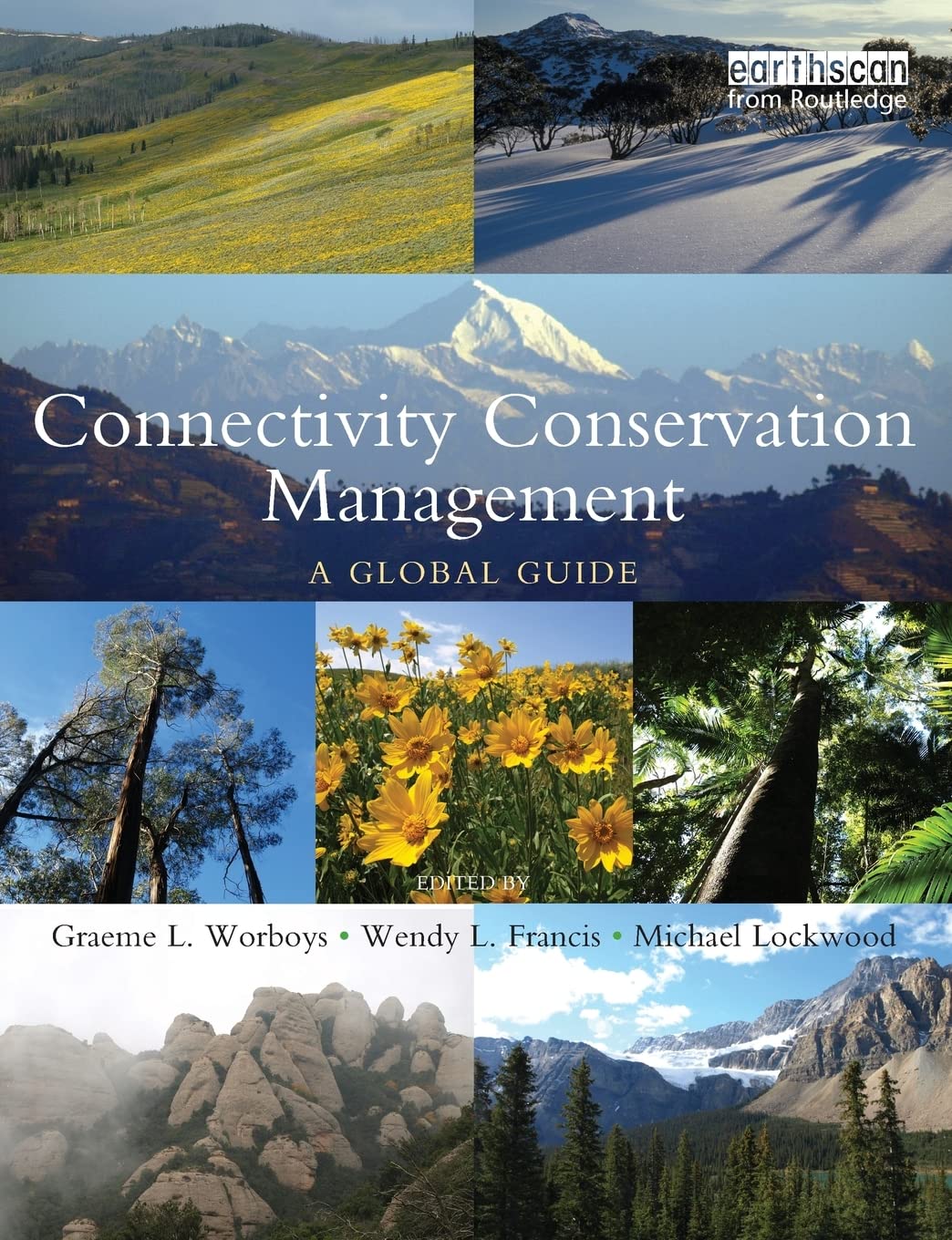
In this review of Connectivity Conservation Management, the bottom line is clear: this book is an essential, practical reference for conservation planners and protected area managers who need to move beyond isolated parks and design connected landscapes. The text tackles why and how to plan and manage at local, regional and continental scales in the face of climate change and habitat loss. It is written by specialists under the IUCN World Commission on Protected Areas and offers a readable synthesis of connectivity thinking that is directly applicable to real-world conservation projects.
Key Features
- Scale-focused guidance: Explains connectivity at local, regional and continental scales so readers can apply strategies appropriate to their landscape.
- Practical management focus: Offers management-oriented approaches to link protected areas rather than presenting only academic theory.
- IUCN-backed authorship: Compiled under the World Commission on Protected Areas, lending authoritative conservation context and policy relevance.
- Conservation challenges addressed: Directly frames connectivity solutions in terms of climate change, deforestation and habitat loss to inform priority setting.
- Cross-disciplinary perspective: Brings together protected area specialists and conservation managers to bridge planning and implementation.
Who It's For
Connectivity Conservation Management is aimed at conservation practitioners, park managers, regional planners and graduate students who need a practical handbook to design and manage ecological connections. Readers implementing corridor projects, landscape-scale conservation plans or climate adaptation strategies will find the scale-aware guidance particularly useful.
It is less suited to readers seeking detailed field identification guides or highly technical modeling manuals; those needing step-by-step GIS workflows or dense quantitative methods may need to supplement this with technical tomes or software-specific resources.
Pros & Cons
Pros
- Provides clear, management-oriented discussion of connectivity across multiple scales.
- Compiled by specialists under the IUCN World Commission on Protected Areas, which supports credibility and relevance for policy and planning.
- Frames connectivity in the practical context of climate change and habitat loss to help prioritize actions.
Cons
- Not a substitute for specialized technical manuals on spatial modeling or GIS workflows; it is more strategic and managerial in focus.
Specifications
| Title | Connectivity Conservation Management |
| Author / Editor | Graeme L. Worboys (and contributing specialists) |
| Scope | Local, regional and continental connectivity strategies |
| Audience | Protected area managers, conservation planners, students |
| Publisher affiliation | World Commission on Protected Areas, IUCN |
| Primary topics | Conservation connectivity, protected area management, climate resilience |
Our Verdict
Connectivity Conservation Management is a valuable, authoritative guide for practitioners who must move beyond isolated reserves toward connected networks that withstand climate change and habitat loss. Its pragmatic, scale-aware approach makes it a worthwhile investment for conservation teams and planners; those seeking detailed technical modeling should pair it with specialized GIS and methods texts.
Frequently Asked Questions
Does this book cover on-the-ground corridor design?
The book focuses on management and planning principles for connectivity rather than detailed engineering or field construction steps for corridors.
Who authored the guidance?
The chapters are written by protected area and conservation specialists under the IUCN World Commission on Protected Areas, edited by Graeme L. Worboys.
Is it suitable for academic courses?
Yes, it is appropriate for graduate coursework in conservation planning and protected area management, especially modules on landscape-scale strategies.
Editor's Take
Connectivity Conservation Management is an authoritative, practical guide for conservation planners and protected area managers who need scale-aware strategies to connect reserves and build climate-resilient landscapes; pair it with technical GIS resources if detailed modeling is required.

Recently viewed
Recently viewed products will appear here as customers browse the store.