

Consumer-Citizens of China - Contemporary Study of Chinese Consumption
Consumer-Citizens of China - Contemporary Study of Chinese Consumption
Price subject to change. Tap below for current.
Couldn't load pickup availability
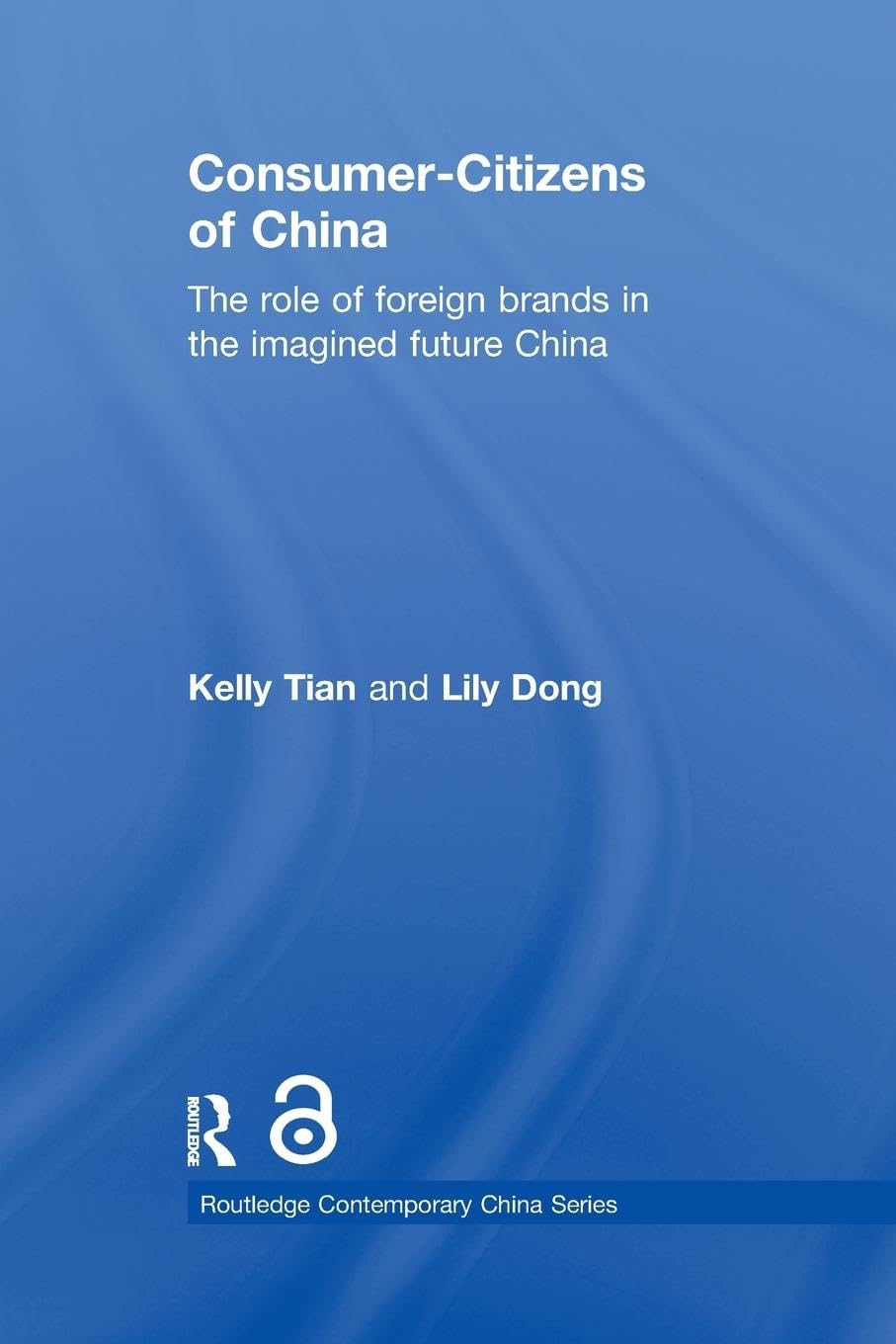
In this review of Consumer-Citizens of China, the authors Kelly Tian and Lily Dong offer a rigorous, research-driven look at how consumption in China intersects with identity and politics. The bottom line is that this book is best for academics, postgraduate students and policymakers who need a nuanced, evidence-based account of Chinese consumer behaviour rather than simple cultural tropes. Readers will find a thoughtful challenge to binary interpretations of Western versus non-Western brand adoption and a clear explanation of how national sentiment and social mobility shape choices.
Key Features
- Open-access PDF: A free PDF version is available via the publisher and OAPEN, making the research easy to access for students and researchers.
- Evidence-based analysis: The book draws on survey responses to provide empirically grounded insights into consumer motivations in China.
- Theoretical clarity: It challenges simple binary explanations and offers a more complex framework for understanding brand preference and identity.
- Contextual focus: The text situates consumption within social and political contexts, useful for readers interested in human geography and social sciences.
- Scholarly licensing: Published under a Creative Commons Attribution-Non Commercial-No Derivatives 3.0 license, allowing non-commercial sharing with attribution.
Who It's For
This book is aimed squarely at researchers, advanced students and policy analysts who study consumer behaviour, nationalism, or contemporary China. Those teaching courses in human geography or social sciences will find useful case material and empirical results for classroom discussion.
General readers seeking a light introduction to Chinese brands or popular shopping trends may find the book too academic in tone; those readers should look for more journalistic or practitioner-focused titles if they want quick takeaways and lifestyle-oriented examples.
Pros & Cons
Pros
- Solid empirical foundation based on survey data that supports its central arguments.
- Accessible open-access PDF availability lowers barriers for students and researchers.
- Clear critique of prevailing binary narratives about Western versus non-Western brand consumption.
Cons
- The academic tone and focus on survey evidence may feel dense for readers seeking lighter, anecdotal accounts.
Specifications
| Title | Consumer-Citizens of China |
| Series | Routledge Contemporary China Series |
| Authors | Kelly Tian, Lily Dong |
| Format available | PDF (open access) |
| License | Creative Commons Attribution-Non Commercial-No Derivatives 3.0 |
| Open access platforms | tandfebooks.com and OAPEN Library |
Our Verdict
Consumer-Citizens of China is a valuable, well-documented study for scholars and advanced students interested in the intersection of consumption, identity and state sentiment in China. Its open-access PDF and careful use of survey evidence make it good value as a resource, though readers should expect an academic presentation rather than popular storytelling.
Frequently Asked Questions
Is the book freely available?
The PDF is available free in open access via the publisher site and the OAPEN Library under the stated Creative Commons license.
Who authored the book?
The book is authored by Kelly Tian and Lily Dong and is part of the Routledge Contemporary China Series.
Is this suitable for general readers?
The book is primarily academic in tone and best suited to researchers and students rather than casual readers.
Editor's Take
Consumer-Citizens of China is a rigorous, evidence-driven study ideal for researchers and advanced students interested in how consumption, identity and national sentiment interact in contemporary China; its open-access PDF and survey-based analysis make it a valuable academic resource.

Recently viewed
Recently viewed products will appear here as customers browse the store.