

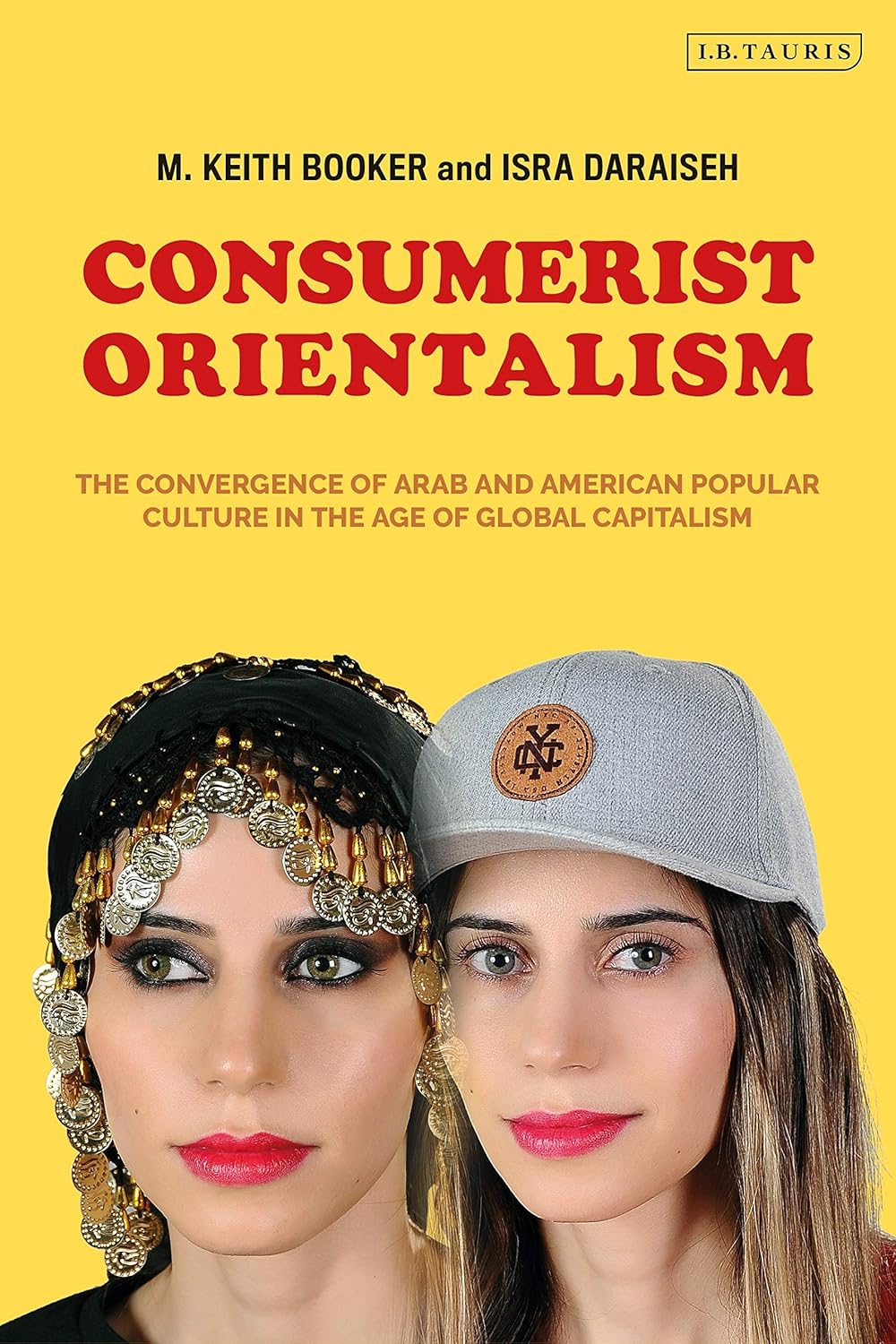
Consumerist Orientalism: The Convergence of Arab and American Popular
Consumerist Orientalism: The Convergence of Arab and American Popular
Price subject to change. Tap below for current.
Couldn't load pickup availability
In this review of Consumerist Orientalism, the book offers a rigorous, well-documented look at how Arab popular culture intersects with American capitalism and postmodern media. Ideal for readers seeking an updated theoretical lens on Orientalism, the book's single biggest reason to buy is its wide-ranging cultural analysis that ties film, television, music and diasporic creativity to shifting economic contexts. The authors present an argument that is both scholarly and accessible, making it useful for grad students, cultural critics and anyone curious about how global capital reshapes representation.
Key Features
- Updated theoretical framework: The book refines Edward Said's concept of Orientalism to account for contemporary capitalism and postmodern cultural exchange, helping readers understand current intercultural dynamics.
- Wide cultural range: Analysis spans from an Oscar-nominated Jordanian film to Turkish-Arab soap operas and Arab-diaspora rap, offering concrete case studies across media forms.
- Interdisciplinary sources: Drawing on contemporary critical thinkers and in-depth cultural analysis, the text situates popular culture within broader social and economic structures.
- Comparative focus: Juxtaposes American cultural flows with Arab production to reveal how representation and market forces converge in global media.
- Accessible prose: The authors write for readers beyond a single discipline, making complex theory usable for classroom discussion and individual study.
Who It's For
Consumerist Orientalism is best for graduate students, cultural studies scholars, media critics and engaged readers who want a critical, contemporary interrogation of Orientalism that links culture to global capital. Its detailed case studies make it useful as a seminar text or a research reference for projects on film, television, music and diaspora.
Those seeking a light survey of popular culture or a purely historical account of Orientalist discourse should look elsewhere; this book emphasizes theoretical updates and cultural analysis tied closely to capitalism and postmodern media rather than simple chronology or casual reading.
Pros & Cons
Pros
- Provides a clear, updated conceptual framework that builds on Edward Said in a contemporary context.
- Includes varied case studies from film to soap operas to rap, which illustrate key arguments across media.
- Accessible writing makes advanced theory usable for classroom and critical readers.
Cons
- Scholarly focus and theoretical density may be demanding for readers wanting a lighter overview.
Specifications
| Title | Consumerist Orientalism: The Convergence of Arab and American Popular Culture in the Age of Global Capitalism |
| Authors | M. Keith Booker, Isra Daraiseh |
| Subject | Orientalism, cultural exchange, global capitalism |
| Media covered | Film, television, soap operas, rap, diaspora cultural production |
| Approach | Theoretical update of Edward Said, critical cultural analysis |
| Intended audience | Scholars, students, cultural critics |
Our Verdict
Consumerist Orientalism is a thoughtful, well-researched update to Orientalist critique that rewards readers who want substantive theory tied to concrete media examples. It is good value for students and scholars seeking an interdisciplinary, critical perspective on how global capitalism shapes representation and cultural exchange.
Frequently Asked Questions
Does this book update Edward Said's ideas?
Yes, the authors explicitly offer an updated conceptual framework that extends Said's Orientalism to the conditions of global capitalism and postmodern culture.
What kinds of media are analyzed?
The book examines a range of cultural production including an Oscar-nominated Jordanian film, Turkish-Arab soap operas and Arab-diaspora rap to illustrate its arguments.
Who should read this book?
It is aimed at graduate students, cultural studies scholars and critics who want a rigorous, interdisciplinary analysis of representation and market forces in global media.
Editor's Take
Consumerist Orientalism is a thoughtful, well-researched update to Orientalist critique that rewards students and scholars seeking an interdisciplinary perspective on how global capitalism shapes representation and cultural exchange.

Recently viewed
Recently viewed products will appear here as customers browse the store.