

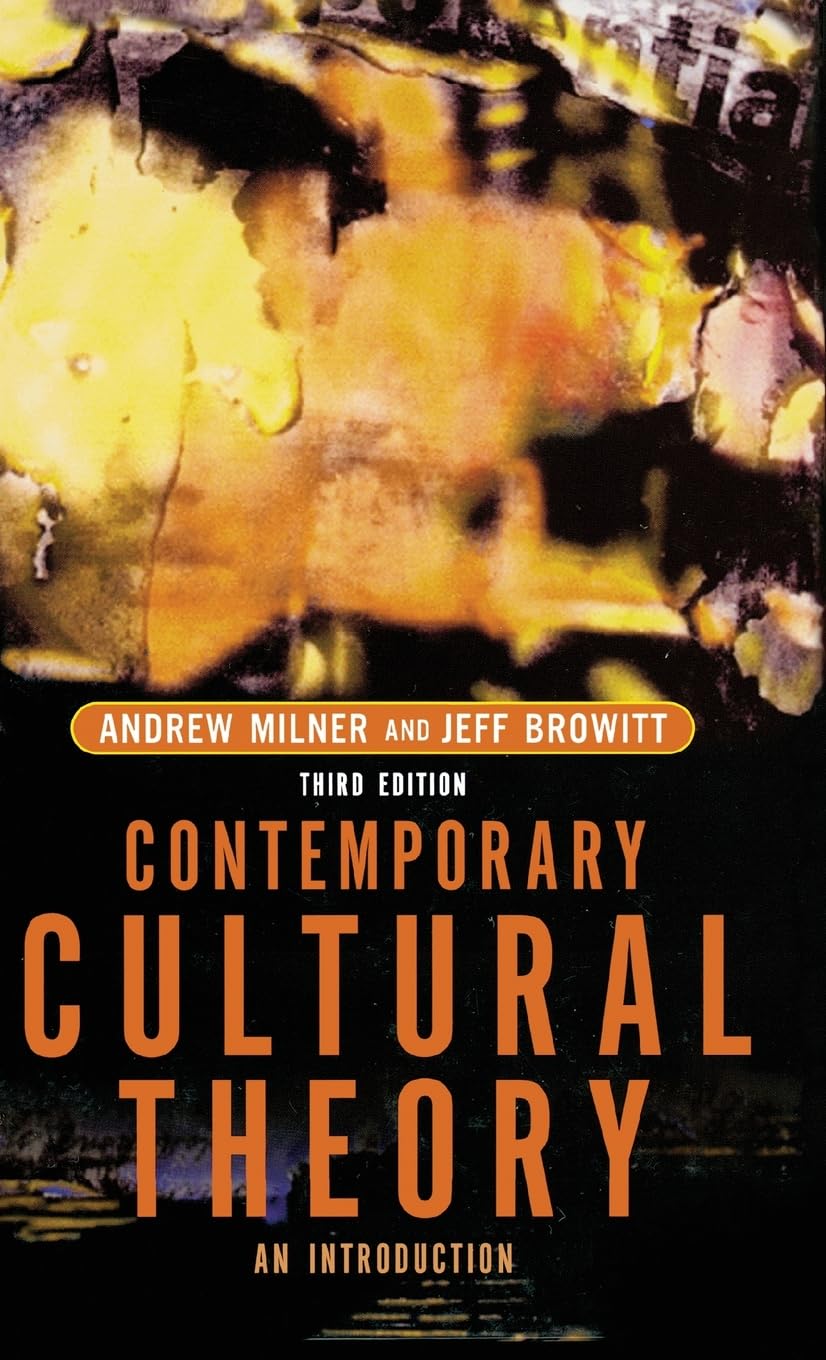
Contemporary Cultural Theory: An Introduction - Clear Overview
Contemporary Cultural Theory: An Introduction - Clear Overview
Price subject to change. Tap below for current.
Couldn't load pickup availability
In this review of Contemporary Cultural Theory: An Introduction the bottom line is simple: this third edition is a concise, readable guide for students and early-career researchers who need a mapped history of cultural studies. The authors present six major paradigms in a way that clarifies how debates developed, and the expanded material on queer theory, posthumanism and black and Latino cultural studies makes it especially useful for current course reading. For those wanting a short, theory-focused companion rather than a dense monograph, this volume delivers steady context and accessible interpretation.
Key Features
- Concise historical framing: The book outlines the growth of cultural studies by tracing key paradigms so readers can see how theories evolved in relation to social conditions.
- Six major paradigms: Identification and explanation of utilitarianism, cultural materialism, critical theory, postmodernism and related strands helps situate contemporary debates.
- Updated third edition: New chapters and revisions include material on new historicism, queer theory and posthumanism, making the book relevant to recent scholarly developments.
- Attention to diversity: Expanded coverage of black and Latino cultural studies and cultural policy gives useful context for students studying race and representation.
- Introductions to thinkers: Concise summaries of work by Zizek, Bourdieu, Deleuze and Guattari guide readers to further reading without overwhelming detail.
Who It's For
Contemporary Cultural Theory: An Introduction is aimed primarily at undergraduates, MA students and lecturers who need a clear, structured introduction to cultural studies and its theoretical frameworks. It works well as a course text or as a compact refresher for researchers who want a readable map of competing approaches.
Those seeking exhaustive single-author treatments or primary-source readings will want supplementary texts; this book functions best as an interpretive guide and overview rather than a comprehensive anthology of original essays.
Pros & Cons
Pros
- Clear synthesis of multiple theoretical traditions makes complex debates approachable for new readers.
- Revised third edition brings the book up to date with recent topics like queer theory and posthumanism.
- Balanced attention to cultural policy and minority cultural studies broadens the book's relevance beyond Eurocentric accounts.
Cons
- Concise format means individual theorists are introduced rather than treated in exhaustive detail, so readers will need further primary texts for deep study.
Specifications
| Title | Contemporary Cultural Theory: An Introduction |
| Authors | Andrew Milner, Jeff Browitt |
| Edition | Third edition (revised) |
| First published | 2002 (original work); revised in this edition |
| Key topics covered | Utilitarianism, cultural materialism, critical theory, postmodernism, new historicism, queer theory, posthumanism |
| Featured thinkers | Zizek, Bourdieu, Deleuze and Guattari |
Our Verdict
For students and teachers who need a clear, historically grounded tour of cultural studies, this introduction is excellent value: it condenses complex schools of thought into readable chapters and updates its scope to include recent debates on race, sexuality and posthumanism. Buy it as a course companion or primer; supplement with primary texts when deeper theoretical engagement is required.
Frequently Asked Questions
Does this edition include contemporary topics like queer theory?
Yes, the third edition has been extensively revised to add material on queer theory, posthumanism and other recent developments.
Is this suitable for undergraduate courses?
Yes, its concise and lucid style makes it appropriate as a required or recommended text for undergraduate and MA courses.
Will it replace primary sources by major theorists?
No, it provides summaries and context rather than full primary texts, so it is best used alongside original works.
Editor's Take
This revised introduction offers a concise, readable map of major cultural theory paradigms and recent debates, making it a strong course companion for students and teachers.

Recently viewed
Recently viewed products will appear here as customers browse the store.