

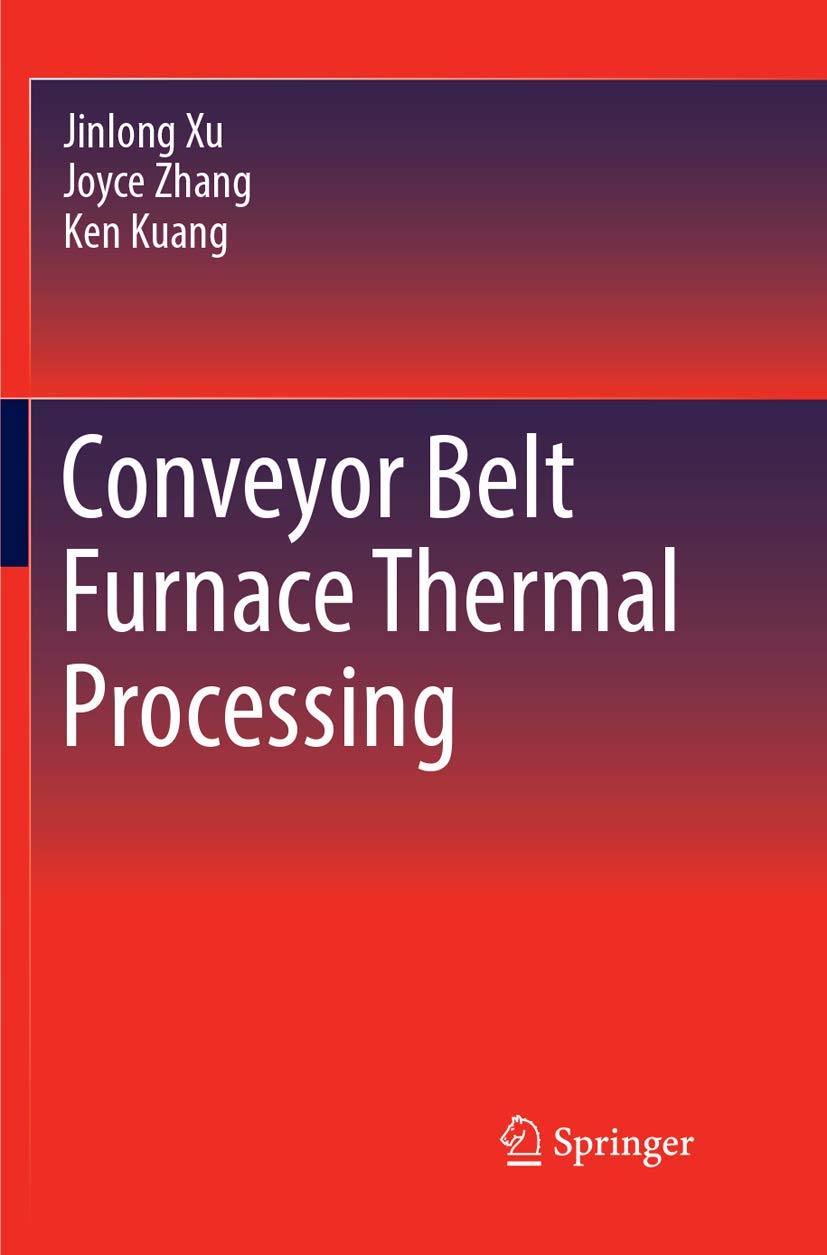
Conveyor Belt Furnace Thermal Processing - Practical Industry Guide
Conveyor Belt Furnace Thermal Processing - Practical Industry Guide
Price subject to change. Tap below for current.
Couldn't load pickup availability
In this review the Conveyor Belt Furnace Thermal Processing book is judged by its usefulness to practicing engineers and technicians. The book condenses more than a decade of application experience on furnaces into a compact reference, making it valuable for those who need practical guidance rather than theory. Its single biggest reason to buy is the focused, application-driven coverage of conveyor and belt furnaces and how these systems affect processes from solar cell firing to metallization, presented in a way that helps readers apply lessons on the shop floor.
Key Features
- Practical experience: Draws on over ten years of real-world furnace applications to provide actionable recommendations for process setup and troubleshooting.
- Wide process coverage: Includes dedicated chapters on conveyor furnaces, belt furnaces, brazing furnaces and thick film furnaces so teams can reference multiple industrial processes in one volume.
- Solar cell focus: Examines the influence of belt furnace firing on crystalline, thin film CIGS, and dye-sensitized solar cells to clarify process impacts on device efficiency.
- Component-level guidance: Addresses metallization, engine valve heat treatment, post mold curing and glass-to-metal sealing to help engineers optimize specific manufacturing steps.
- Air flow and reflow discussion: Covers furnace air flow and reflow principles that are critical to consistent thermal profiles and uniform processing outcomes.
Who It's For
The book is best suited to mechanical, process, and electrical engineers working with continuous thermal processing lines, particularly those responsible for conveyor and belt furnace operation, process optimization, or product qualification. Maintenance leads and process engineers in solar cell and electronics assembly plants will find the solar cell and reflow chapters especially applicable.
Readers seeking academic treatments of heat transfer theory or a textbook-style derivation of fundamentals should look elsewhere; this title emphasizes applied experience and process examples over exhaustive theoretical analysis.
Pros & Cons
Pros
- Consolidates decade-long application experience into practical guidance that can shorten troubleshooting time on production lines.
- Relevant chapter set for multiple industrial use cases, from solar cell firing to brazing and thick film processes.
- Clear focus on how conveyor and belt furnace parameters influence efficiency and yield for different device types.
Cons
- Not a deep theoretical text, so readers needing extensive heat transfer equations or fundamental derivations may find it limited.
Specifications
| Title | Conveyor Belt Furnace Thermal Processing |
| Author / Brand | Ken Kuang |
| Focus Areas | Conveyor furnaces, belt furnaces, brazing, thick film, reflow |
| Applications Covered | Solar cells, metallization, engine valve heat treatment, glass-to-metal sealing |
| Approach | Practical, application-driven guidance from industry experience |
| Intended Audience | Practicing engineers and process technicians |
Our Verdict
The book is a solid, practical reference for engineers who operate or optimize conveyor and belt furnace processes, especially in solar cell and electronics manufacturing. Its value lies in applied examples and process-focused advice that can improve yields and reduce setup time, making it a worthwhile purchase for shop-floor professionals rather than academic researchers.
Frequently Asked Questions
Does this book cover solar cell manufacturing?
Yes, it includes chapters on belt furnace influence and firing effects for crystalline, CIGS thin film and dye-sensitized solar cells.
Is the content theoretical or practical?
The content is practical and application-driven, based on more than a decade of industry experience rather than exhaustive theoretical derivations.
Who benefits most from this book?
Process engineers, maintenance leads and technicians working with conveyor or belt furnaces in manufacturing settings will gain the most immediate value.
Editor's Take
A practical, application-focused reference for engineers working with conveyor and belt furnaces, offering process-driven advice that improves setup and yields though not serving as a theoretical text.

Recently viewed
Recently viewed products will appear here as customers browse the store.