

Coordinate Colleges for American Women - Historical of Postwar Women's
Coordinate Colleges for American Women - Historical of Postwar Women's
Price subject to change. Tap below for current.
Couldn't load pickup availability
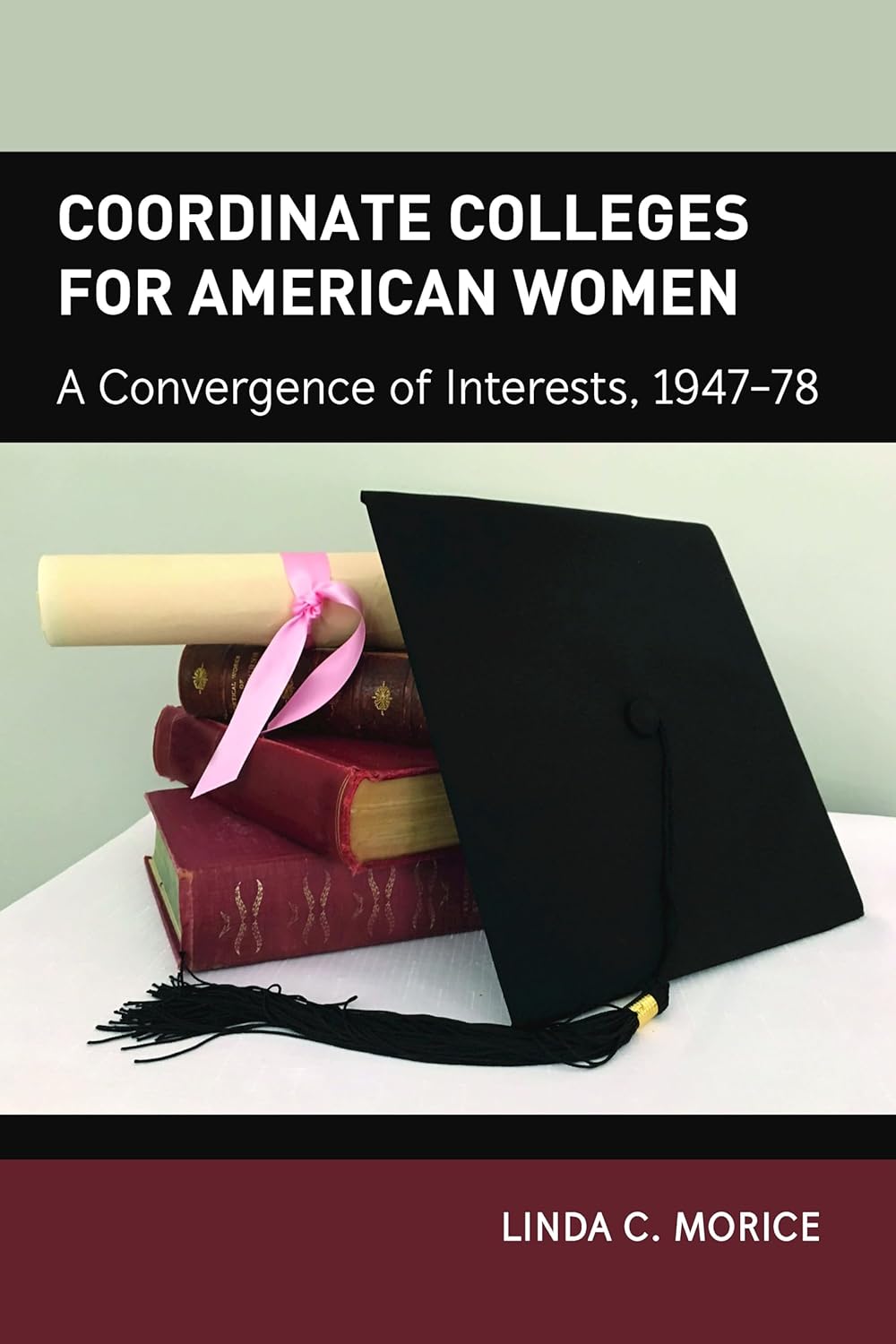
In this review of Coordinate Colleges for American Women: A Convergence of Interests, the reviewer finds a focused, archival-driven study that will appeal to readers interested in higher education history and gender studies. The book traces why several formerly all-male liberal arts colleges created separate women's coordinate colleges after World War II and then ended them by 1980, arguing the moves served institutional interests more than improving women's education. For researchers and educators looking for primary-source analysis of mid- to late-twentieth-century campus change, this is a valuable, well-argued contribution.
Key Features
- Primary-source research: The author draws on newly examined archival materials to support a clear narrative about the founding and dissolution of coordinate colleges.
- Focused case studies: The book emphasizes three liberal arts colleges in the Midwest and upstate New York, offering detailed local context rather than a broad, superficial survey.
- Postwar to 1980 timeframe: Coverage centers on the decades after World War II through the transition to coeducation by 1980, providing a tight chronological frame for readers.
- Institutional motive analysis: The work makes a sustained argument that coordinate colleges served converging institutional interests rather than primarily advancing women's academic opportunities.
- Social movements context: The study situates the coordinate college phenomenon within four major mid-to-late twentieth-century social movements, offering interdisciplinary perspective.
Who It's For
This book is well suited for historians of American higher education, graduate students in gender and education studies, and librarians building collections on campus history. Its archival emphasis and focused case studies make it especially useful for researchers tracing policy decisions and institutional responses to social change.
Readers seeking a comprehensive national survey of women's colleges or a popular general-interest history might find the narrow case-study approach less approachable; those looking for a narrative memoir or broad cultural synthesis should look elsewhere.
Pros & Cons
Pros
- Deep archival sourcing provides concrete evidence for the book's central thesis about institutional motives.
- The focused examination of three colleges yields specific, replicable analysis rather than vague generalities.
- Contextualizing the story within major social movements helps readers connect campus decisions to wider societal forces.
Cons
- The tight focus on a few institutions means it is not a broad national overview of all women's higher education experiences.
Specifications
| Title | Coordinate Colleges for American Women: A Convergence of Interests |
| Subject | History of Schools and Schooling |
| Geographic focus | Midwest and upstate New York |
| Chronological focus | Post-World War II through 1980 |
| Approach | Primary-source archival research and institutional analysis |
| Publisher / Brand | Morice |
Our Verdict
Coordinate Colleges for American Women is a rigorously sourced, narrowly focused study that rewards readers who need archival evidence and institutional analysis of postwar campus decisions. It offers good value for scholars and graduate students seeking a clear argument about why coordinate colleges emerged and dissolved, though those wanting a broad national synthesis may prefer different titles.
Frequently Asked Questions
Does this book use original archival material?
The author draws on new primary sources to build the central argument and case studies.
Which colleges are emphasized?
The book places special emphasis on three formerly all-male liberal arts colleges in the Midwest and upstate New York, examined in detail.
Is this a general history of women's colleges?
No; it is a focused institutional history arguing that coordinate colleges reflected institutional interests and traces the period through 1980.
Editor's Take
A rigorously sourced, narrowly focused study that uses new archival material to argue coordinate colleges were created for institutional interests; recommended for scholars and graduate students studying higher education history.

Recently viewed
Recently viewed products will appear here as customers browse the store.