

Counterfactuals: Paths of the Might Have Been - Thoughtful Guide
Counterfactuals: Paths of the Might Have Been - Thoughtful Guide
Price subject to change. Tap below for current.
Couldn't load pickup availability
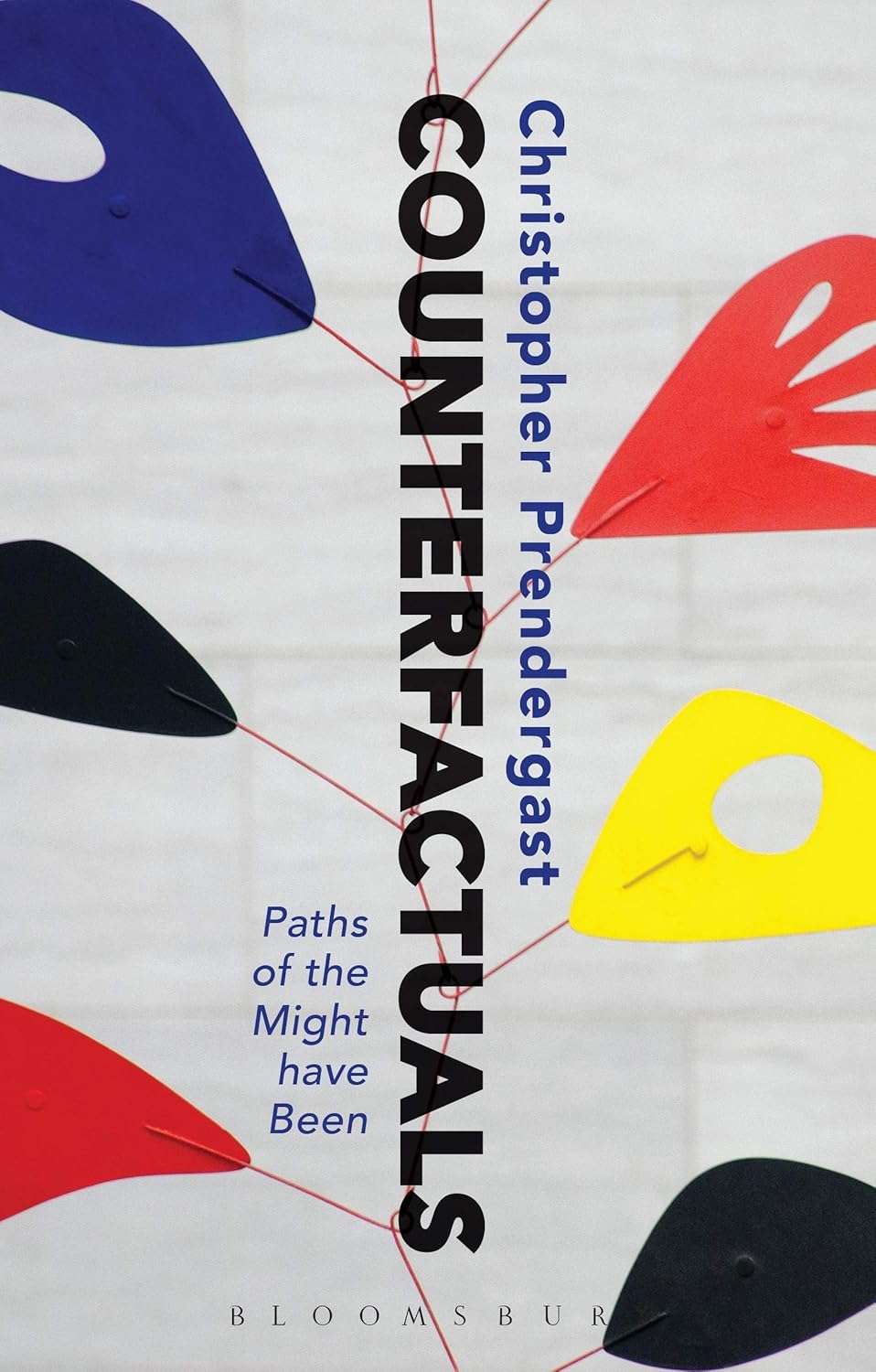
In this review of Counterfactuals: Paths of the Might Have Been, the bottom line is that Christopher Prendergast offers a concise, reflective treatment of what counterfactual thinking is and when it matters. This book is for readers who want a clear, philosophical tour of why imagining alternative histories is sometimes idle speculation and sometimes a tool across disciplines. The review finds the work most valuable as an interdisciplinary primer rather than a technical manual, because it emphasizes conceptual clarity and examples that connect philosophy to history, psychology and the arts.
Key Features
- Clear explanation: The book distinguishes trivial counterfactuals from substantive ones, helping readers see when alternative scenarios are meaningful.
- Interdisciplinary reach: Prendergast shows how counterfactuals apply across philosophy, history, cosmology, biology, cognitive psychology and the arts.
- Critical perspective: The text examines the limits of imagining alternative worlds, tempering speculative impulse with analytic caution.
- Everyday relevance: The author links abstract ideas to ordinary decision-making and imagined life paths, making theory relatable.
- Concise scope: The book focuses on conceptual questions rather than technical formalism, making it accessible to non-specialists.
Who It's For
Counterfactuals: Paths of the Might Have Been is best for readers in humanities and social sciences who want a readable introduction to counterfactual thought and its uses in fields like history, literary theory and jurisprudence. It will also suit philosophers and interested general readers seeking conceptual guidance rather than mathematical detail.
Those looking for a rigorous technical handbook, formal models of counterfactual logic, or exhaustive empirical studies should look elsewhere; the book intentionally stays at a conceptual and illustrative level rather than providing experimental protocols or formal proofs.
Pros & Cons
Pros
- Accessible writing that makes complex ideas about counterfactuals understandable to non-specialists.
- Wide disciplinary examples that demonstrate practical applications across history, psychology and the arts.
- Balanced treatment that warns against idle speculation while showing legitimate uses of alternative scenarios.
Cons
- Not a technical or formal textbook, so readers seeking formal models of counterfactual logic may find it limited.
Specifications
| Title | Counterfactuals: Paths of the Might Have Been |
| Author | Christopher Prendergast |
| Subject focus | Philosophy, history, cognitive psychology and the arts |
| Use cases | Introductory conceptual guide for interdisciplinary study |
| Approach | Conceptual analysis with illustrative examples |
| Audience | General readers, humanities and social science students |
Our Verdict
For readers who want a thoughtful, accessible exploration of what counterfactuals are and when they matter, this book is a good value: it clearly maps the terrain between idle speculation and useful analysis and shows applications across disciplines without overwhelming the reader with technical detail.
Frequently Asked Questions
Is this a technical logic text?
No. The book emphasizes conceptual clarity and examples rather than formal models or mathematical treatments.
Which fields does it most directly engage?
The author draws on philosophy, history, cognitive psychology, jurisprudence, economics and the arts to show how counterfactuals operate.
Will it help with everyday decision-making?
Yes. The book links counterfactual thinking to the crossroads of decision-making and imagined life paths, offering useful perspective for everyday reflection.
Editor's Take
A thoughtful, accessible exploration of counterfactual thinking that maps when imagined alternatives are meaningful across disciplines; best for readers seeking conceptual clarity rather than formal models.

Recently viewed
Recently viewed products will appear here as customers browse the store.