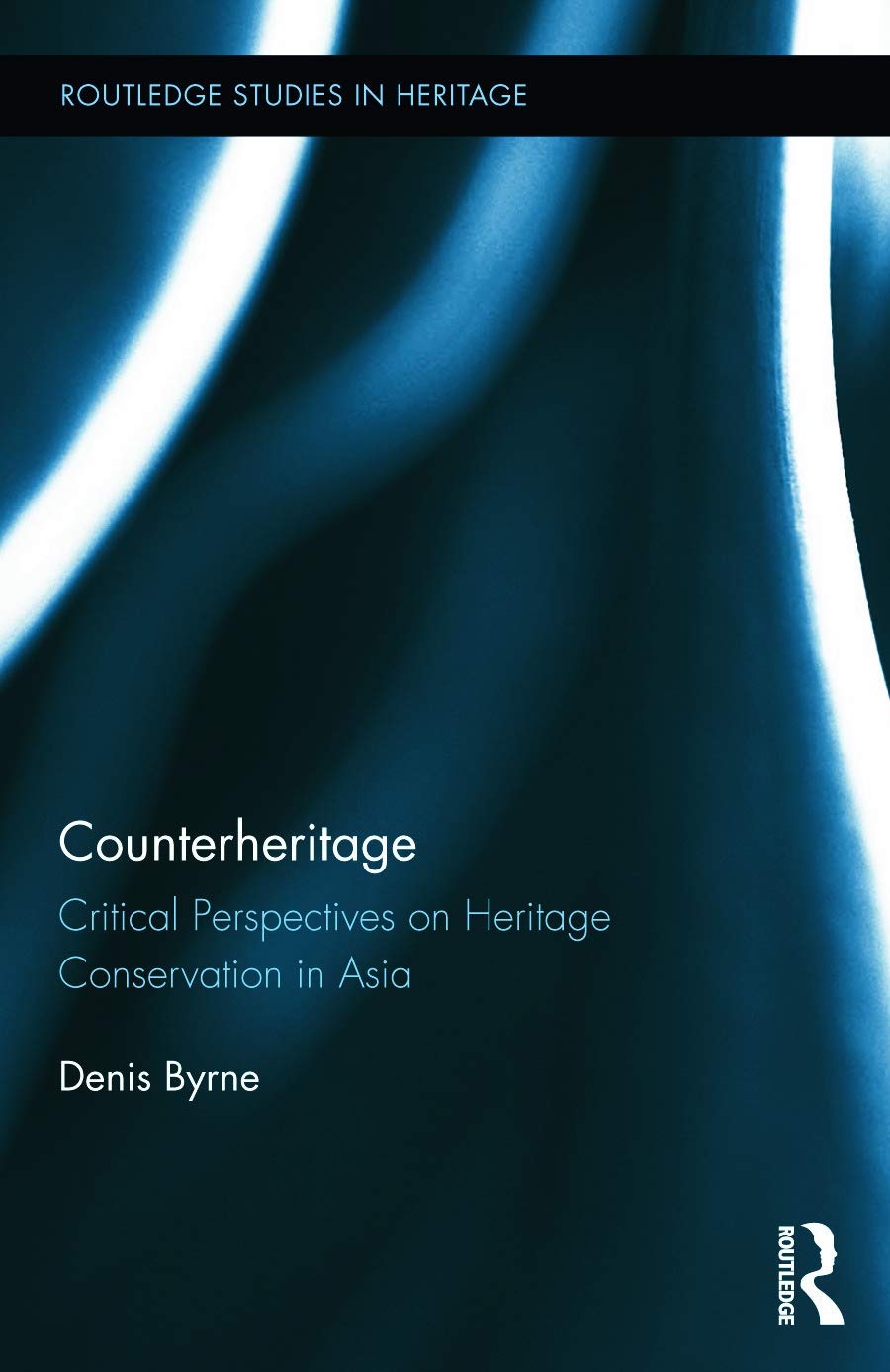
Counterheritage: A Comprehensive Study of Heritage Practices
Counterheritage: A Comprehensive Study of Heritage Practices
Price subject to change. Tap below for current.
Couldn't load pickup availability
The book Counterheritage offers an insightful exploration into the complex world of heritage practices. Authored by Denis Byrne, this work delves into the multifaceted nature of heritage and its implications in contemporary society. It challenges traditional notions and presents a fresh perspective on how heritage is perceived and utilized.
One of the key themes in Counterheritage is the idea of cultural identity. The author argues that heritage is not merely a static representation of the past but a dynamic construct that evolves over time. This perspective encourages readers to rethink their understanding of cultural heritage and its role in shaping identities.
The book also examines the impact of globalization on heritage practices. In a world that is increasingly interconnected, the preservation of local traditions and practices becomes a challenge. Counterheritage highlights the tensions that arise when global influences intersect with local customs, leading to a re-evaluation of what it means to preserve heritage.
Byrne's work is rich with case studies that illustrate the diverse ways in which heritage is experienced and interpreted across different cultures. These examples serve to underscore the importance of context in understanding heritage. The author emphasizes that heritage is not a one-size-fits-all concept; rather, it is deeply rooted in specific cultural and historical contexts.
Another significant aspect of Counterheritage is its focus on the role of communities in heritage practices. The book argues that communities are not just passive recipients of heritage but active participants in its creation and preservation. This participatory approach is crucial for fostering a sense of ownership and responsibility towards cultural heritage.
Moreover, the author discusses the ethical implications of heritage practices. As societies grapple with issues of representation and inclusion, Counterheritage raises important questions about who gets to tell the stories of the past and how these narratives are constructed. This critical examination encourages readers to consider the power dynamics at play in heritage discourse.
In conclusion, Counterheritage is a thought-provoking read that challenges conventional views on heritage. It invites readers to engage with the complexities of cultural identity, globalization, community involvement, and ethical considerations in heritage practices. This book is an essential resource for anyone interested in understanding the evolving landscape of heritage in our modern world.
Share