

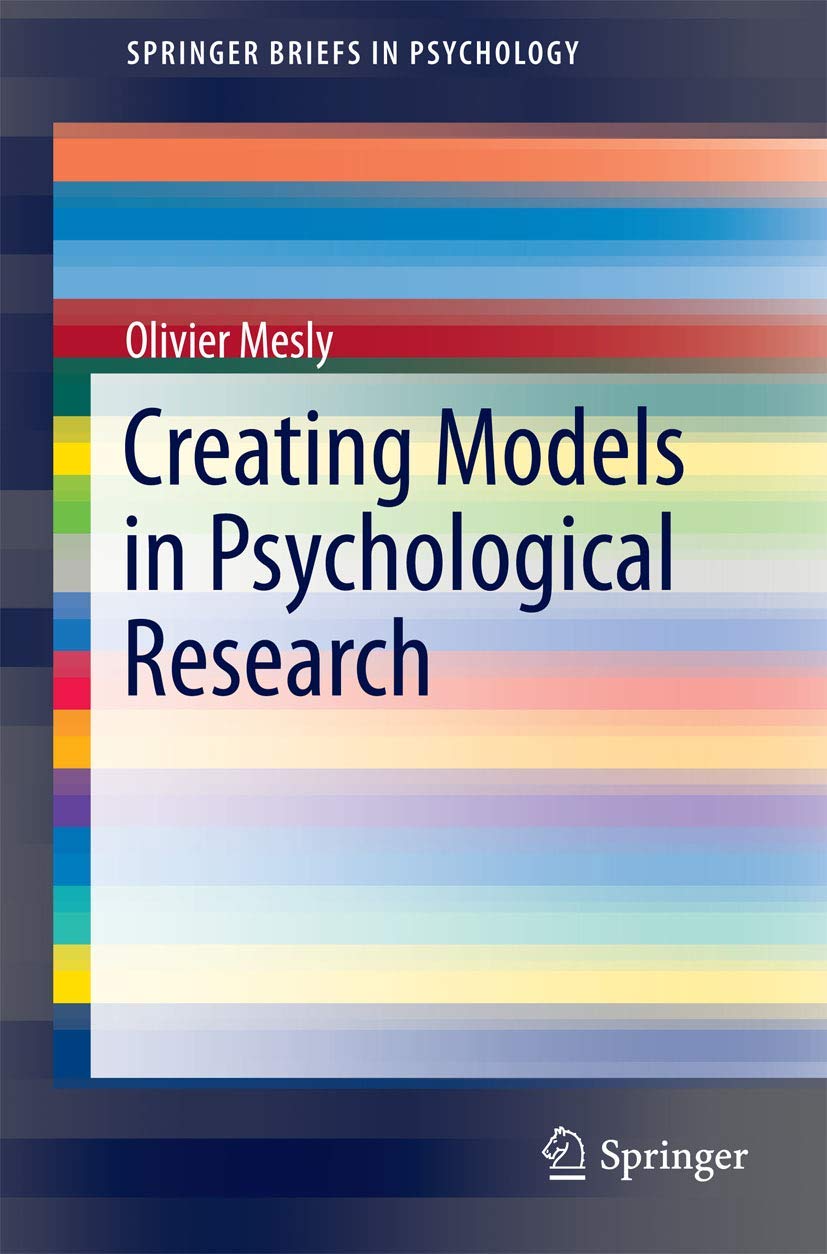
Creating Models in Psychological Research - Practical Guide
Creating Models in Psychological Research - Practical Guide
Price subject to change. Tap below for current.
Couldn't load pickup availability
In this review of Creating Models in Psychological Research, the bottom line is simple: this concise brief is for graduate students and new researchers who need a practical, methodological companion to traditional research texts. Olivier Mesly focuses on model construction, robust methodology and defending a hypothesis, giving readers a step-by-step framework to produce organized, credible papers. The book's greatest strength is its emphasis on multi-method approaches and error-free data practices, which makes it especially useful for those moving from coursework into independent research.
Key Features
- Model construction guidance: Presents a clear framework for creating workable models that help refine research topics into testable constructs and relationships.
- Methodological focus: Emphasizes robust methodologies and multi-method approaches to reduce common errors and enhance credibility in findings.
- Hypothesis defense: Offers strategies to build and defend a compelling hypothesis so papers present a coherent argumentative thread from question to conclusion.
- Accessible examples: Uses applied examples from psychology to illustrate abstract concepts, helping readers translate theory into practical research steps.
- Graduate-level orientation: Designed to challenge Master's and doctorate-level students to expand beyond familiar methods and increase research rigor.
Who It's For
This book is well suited to Master's and doctoral students, early-career researchers and instructors who want a compact reference focused on building defensible models and improving methodological rigor. The tone and content assume some familiarity with research design, making it a good companion to longer methodological texts.
Researchers seeking exhaustive statistical tutorials or a step-by-step software guide should look elsewhere; this brief emphasizes conceptual model building and methodological stance rather than detailed software instruction or extended statistical derivations.
Pros & Cons
Pros
- Concise, focused guidance that helps readers structure research from topic refinement to defendable conclusions.
- Encourages multi-method approaches that strengthen study design and reduce bias.
- Practical examples from psychology make abstract ideas easier to apply in real projects.
Cons
- As a brief companion, it does not replace comprehensive textbooks on statistics or software-specific tutorials.
Specifications
| Title | Creating Models in Psychological Research |
| Series | SpringerBriefs in Psychology |
| Author | Olivier Mesly |
| Audience | Master's and doctorate students, new researchers |
| Focus | Model construction, methodology, hypothesis defense |
| Approach | Multi-method, applied examples from psychology |
Our Verdict
Creating Models in Psychological Research is a high-value, compact reference for graduate students and early researchers who need to improve model-building and methodological rigor without wading through lengthy textbooks. Its emphasis on multi-method approaches and clear examples makes it a practical companion when preparing credible, well-organized papers.
Frequently Asked Questions
Is this book suitable for a doctoral dissertation stage?
Yes, the book is aimed at Master's and doctoral students and offers a framework useful during dissertation planning and model development.
Does it teach statistical software or detailed analyses?
No, the brief focuses on conceptual model construction and methodology rather than software tutorials or extensive statistical instruction.
Will this help improve research credibility?
Yes, its emphasis on robust methodologies and multi-method approaches is designed to reduce errors and strengthen the credibility of research findings.
Editor's Take
Creating Models in Psychological Research is a compact, practical guide for graduate students and early researchers that improves model-building and methodological rigor through multi-method approaches and applied examples.

Recently viewed
Recently viewed products will appear here as customers browse the store.