

Creating Sanctuary - of a Trauma-Informed Clinical Classic
Creating Sanctuary - of a Trauma-Informed Clinical Classic
Price subject to change. Tap below for current.
Couldn't load pickup availability
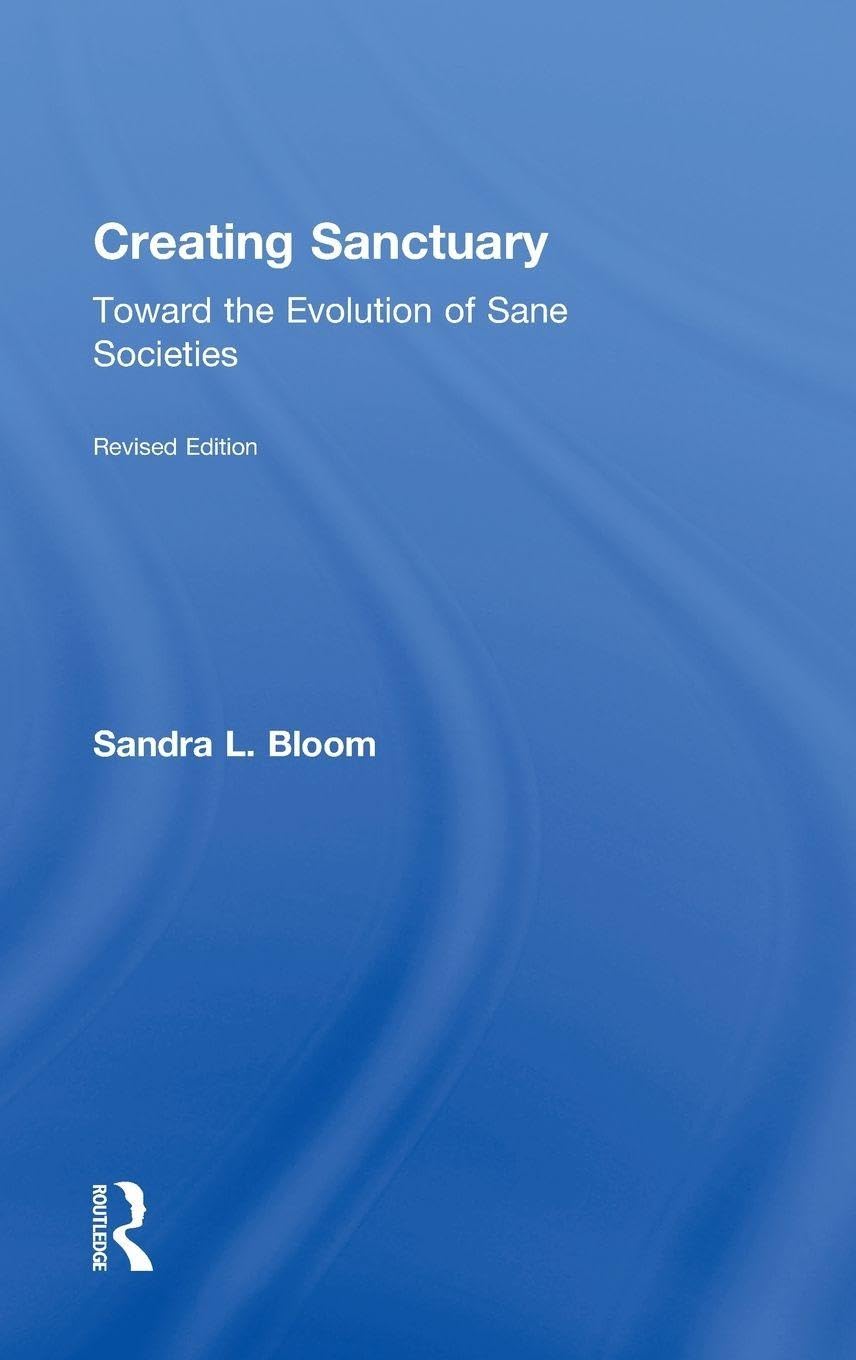
In this review of Creating Sanctuary, the reviewer finds a rigorous, clinic-focused guide for professionals who treat adult survivors of childhood abuse; its single biggest reason to buy is the clear integration of biological, psychological, and social perspectives that make trauma understandable and actionable in hospital settings. Sandra L. Bloom updated this edition to include the Adverse Childhood Experiences findings, epigenetics, and modern brain research, and the book reads like a program manual and theory text combined, making it especially useful for clinicians seeking a research-informed framework for systems change.
Key Features
- Program description: Presents a hospital-based treatment model that explains how to organize services around the needs of adults who suffered childhood abuse.
- Trauma integration: Explains the biological, psychological, and social aspects of trauma so practitioners can design interventions that address multiple domains.
- Updated research: Incorporates the Adverse Childhood Experiences Study and epigenetics to connect early adversity with later health and behavior.
- Clinical relevance: Offers practical grounding for courses in counseling, social work, and clinical psychology on mental health and trauma theory.
- Violence and brain science: Adds new material about what we know about the brain and violence, helping readers translate neuroscience into safer care practices.
Who It's For
Creating Sanctuary is best for clinicians, program directors, and graduate students in counseling, social work, or clinical psychology who need a program-level approach to treating adult survivors of childhood abuse; it is particularly useful for those working in hospital or institutional settings where system change is required. The book functions both as a theoretical text and as a practical manual for teams planning trauma-informed services.
Those seeking a brief self-help guide, a workbook of exercises, or a highly polished textbook for undergraduate study may want to look elsewhere; this edition assumes readers want depth on trauma theory, program design, and recent research rather than short instructional worksheets.
Pros & Cons
Pros
- Strong integration of research and practice makes it a useful reference for program development.
- Updated material on the ACEs study and epigenetics strengthens the biological context for trauma-informed care.
- Clear emphasis on systems and hospital-based programs helps translate individual clinical work into organizational change.
Cons
- The focus on institutional program design can feel dense for readers seeking quick, hands-on clinical techniques.
Specifications
| Title | Creating Sanctuary |
| Author | Sandra L. Bloom |
| Scope | Hospital-based program and trauma theory |
| Focus areas | Biological, psychological, and social aspects of trauma |
| Updated content | ACEs study, epigenetics, brain and violence material |
| Intended audience | Counseling, social work, clinical psychology courses and practitioners |
Our Verdict
Creating Sanctuary is a substantive, research-grounded resource for clinicians and program leaders who need a trauma-informed framework for hospital settings; its updates on ACEs and epigenetics add valuable context and make it a strong value for anyone building systemic, evidence-informed services for adult survivors of childhood abuse.
Frequently Asked Questions
Does this edition include recent research?
The updated edition includes the Adverse Childhood Experiences Study results, discussion of epigenetics, and new material on the brain and violence.
Who benefits most from this book?
Clinicians, program directors, and graduate students involved in mental health, trauma treatment, and organizational program design will find it most useful.
Is it a practical manual or a theory text?
It blends both: the book describes a concrete hospital-based program while grounding recommendations in trauma theory and research.
Editor's Take
Creating Sanctuary is a research-grounded, practical guide for clinicians and program leaders building trauma-informed hospital services; its ACEs, epigenetics, and brain research updates make it strong value for systemic program design.

Recently viewed
Recently viewed products will appear here as customers browse the store.