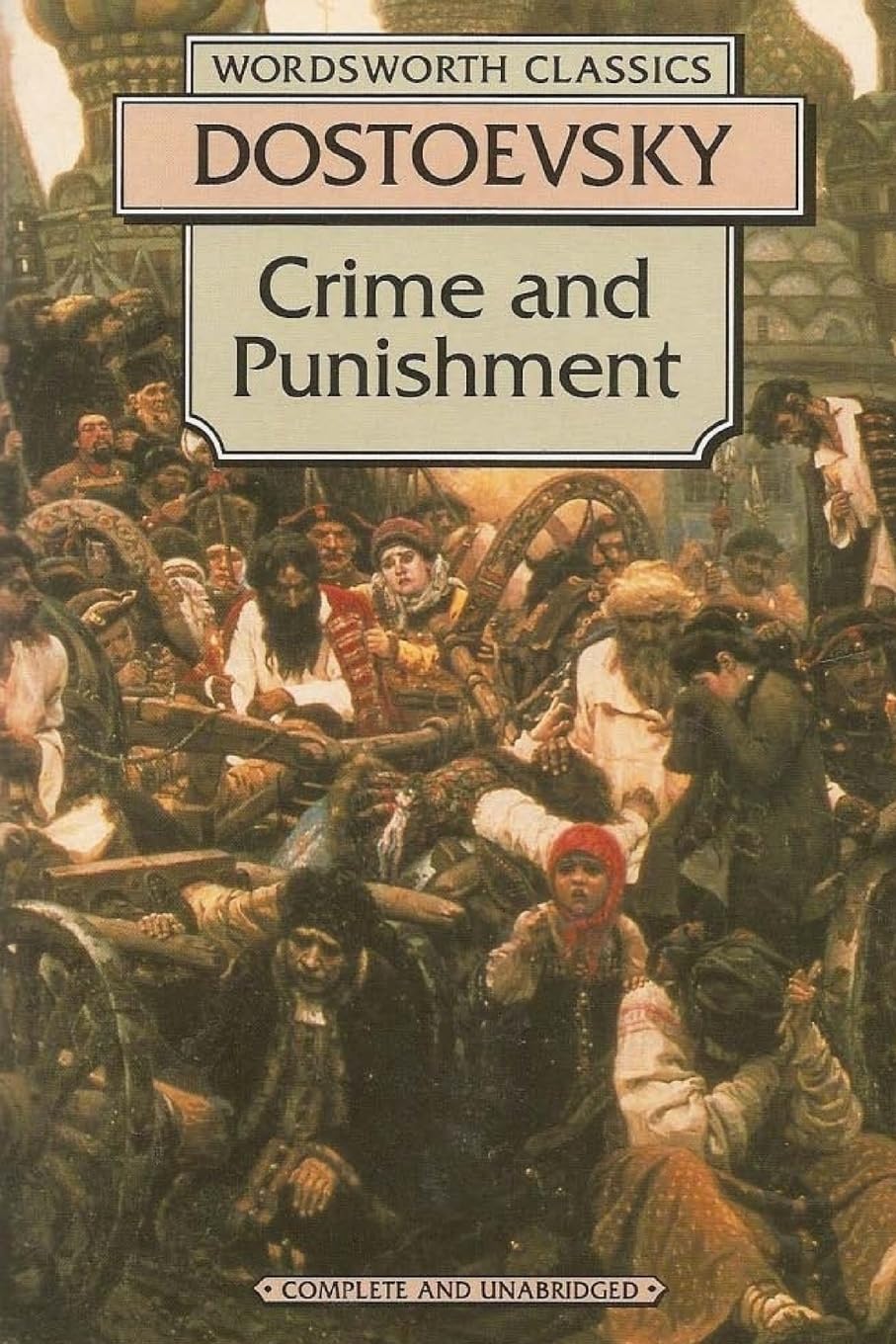
Crime and Punishment: A Deep Dive into Dostoevsky's Masterpiece
Crime and Punishment: A Deep Dive into Dostoevsky's Masterpiece
Price subject to change. Tap below for current.
Couldn't load pickup availability
Crime and Punishment is a profound exploration of morality, guilt, and redemption, penned by the renowned author Fyodor Dostoevsky. This literary classic delves into the psyche of its protagonist, Raskolnikov, a former student who grapples with the consequences of his actions after committing a heinous crime. The novel is set in the backdrop of 19th-century St. Petersburg, where the social and economic struggles of the time are vividly depicted.
One of the most compelling aspects of Dostoevsky's Crime and Punishment is its intricate character development. Raskolnikov is not merely a criminal; he is a complex individual tormented by his philosophical beliefs and the moral dilemmas he faces. The narrative invites readers to ponder the nature of justice and the human condition, making it a timeless piece of literature.
The themes of guilt and redemption are central to the story, as Raskolnikov's internal conflict drives the plot forward. His interactions with other characters, such as Sonia and Porfiry, further illuminate his struggles and the societal pressures that influence his decisions. Dostoevsky masterfully weaves these relationships into the fabric of the narrative, creating a rich tapestry of human emotion.
Moreover, the psychological depth of Crime and Punishment is enhanced by Dostoevsky's use of symbolism and motifs. The city of St. Petersburg itself becomes a character, reflecting Raskolnikov's turmoil and isolation. The oppressive atmosphere of the urban landscape mirrors his internal chaos, making the setting an integral part of the story.
Readers will find themselves captivated by the philosophical questions raised throughout the novel. Dostoevsky challenges us to consider the morality of our actions and the impact they have on others. The exploration of existential themes resonates with readers across generations, ensuring that this work remains relevant in contemporary discussions about ethics and morality.
In addition to its thematic richness, Crime and Punishment is also notable for its narrative style. Dostoevsky employs a third-person omniscient perspective, allowing readers to gain insight into the thoughts and feelings of multiple characters. This technique enhances the emotional depth of the story and invites readers to empathize with Raskolnikov's plight.
Overall, Crime and Punishment is a must-read for anyone interested in literature that challenges the mind and stirs the soul. Fyodor Dostoevsky's ability to intertwine complex themes with relatable characters creates a reading experience that is both thought-provoking and emotionally charged. This novel is not just a story; it is an exploration of the very essence of humanity.
Share