Regular price
$141.25 USD
Price subject to change. Tap below for current.
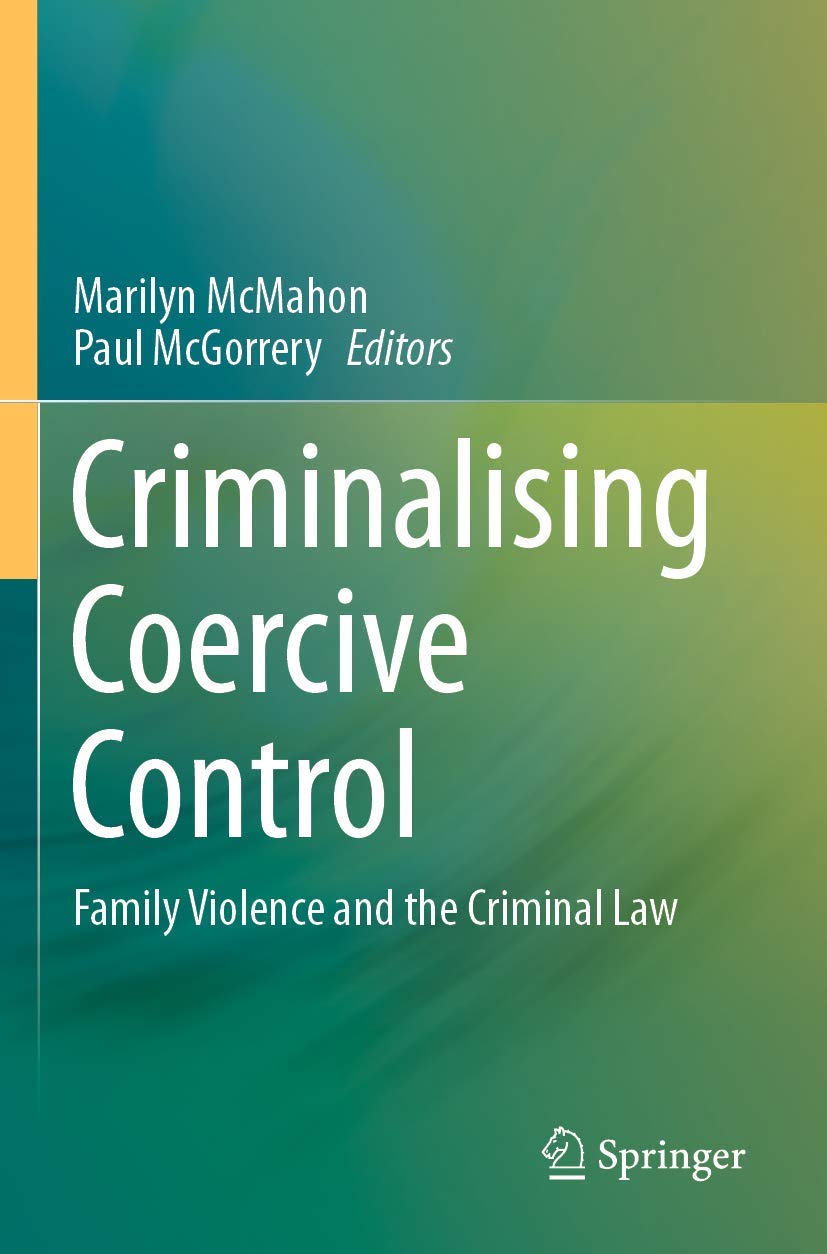
The book Criminalising Coercive Control by Marilyn McMahon and Paul McGorrery offers a comprehensive analysis of the intersection between family violence and criminal law. This insightful work delves into the complexities of coercive control, a form of abuse that is often overlooked in traditional legal frameworks. The authors meticulously explore how the law can evolve to better address these insidious behaviors that impact countless individuals.
In recent years, there has been a growing recognition of the need to criminalize coercive control. This book provides a detailed examination of the legal implications and challenges associated with this pressing issue. Through a combination of case studies and legal analysis, McMahon and McGorrery present a compelling argument for reforming existing laws to include coercive control as a distinct criminal offense.
One of the standout features of this book is its focus on the lived experiences of victims. The authors share powerful narratives that highlight the psychological and emotional toll of coercive control. By centering the voices of survivors, the book emphasizes the urgent need for legal systems to recognize and respond to these forms of abuse. The authors argue that understanding the dynamics of family violence is crucial for developing effective legal responses.
Additionally, the book addresses the role of law enforcement and the judiciary in tackling coercive control. It critiques current practices and suggests ways to improve police training and judicial understanding of these issues. The authors advocate for a more informed approach that empowers law enforcement to recognize signs of coercive control and take appropriate action.
McMahon and McGorrery also discuss the implications of criminalizing coercive control on broader societal attitudes towards domestic violence. They argue that legal recognition can lead to greater awareness and understanding of the issue, ultimately fostering a culture that does not tolerate abuse in any form. This book serves as a vital resource for legal practitioners, policymakers, and advocates working to combat family violence.
In conclusion, Criminalising Coercive Control is an essential read for anyone interested in the intersection of law and social justice. It challenges readers to reconsider their understanding of abuse and the legal mechanisms available to combat it. With its thorough research and compelling arguments, this book is poised to influence future legal reforms and contribute to the ongoing conversation about coercive control and its place in the criminal justice system.