

Cultural Theory: An Introduction - Concise Guide to Cultural Thought
Cultural Theory: An Introduction - Concise Guide to Cultural Thought
Price subject to change. Tap below for current.
Couldn't load pickup availability
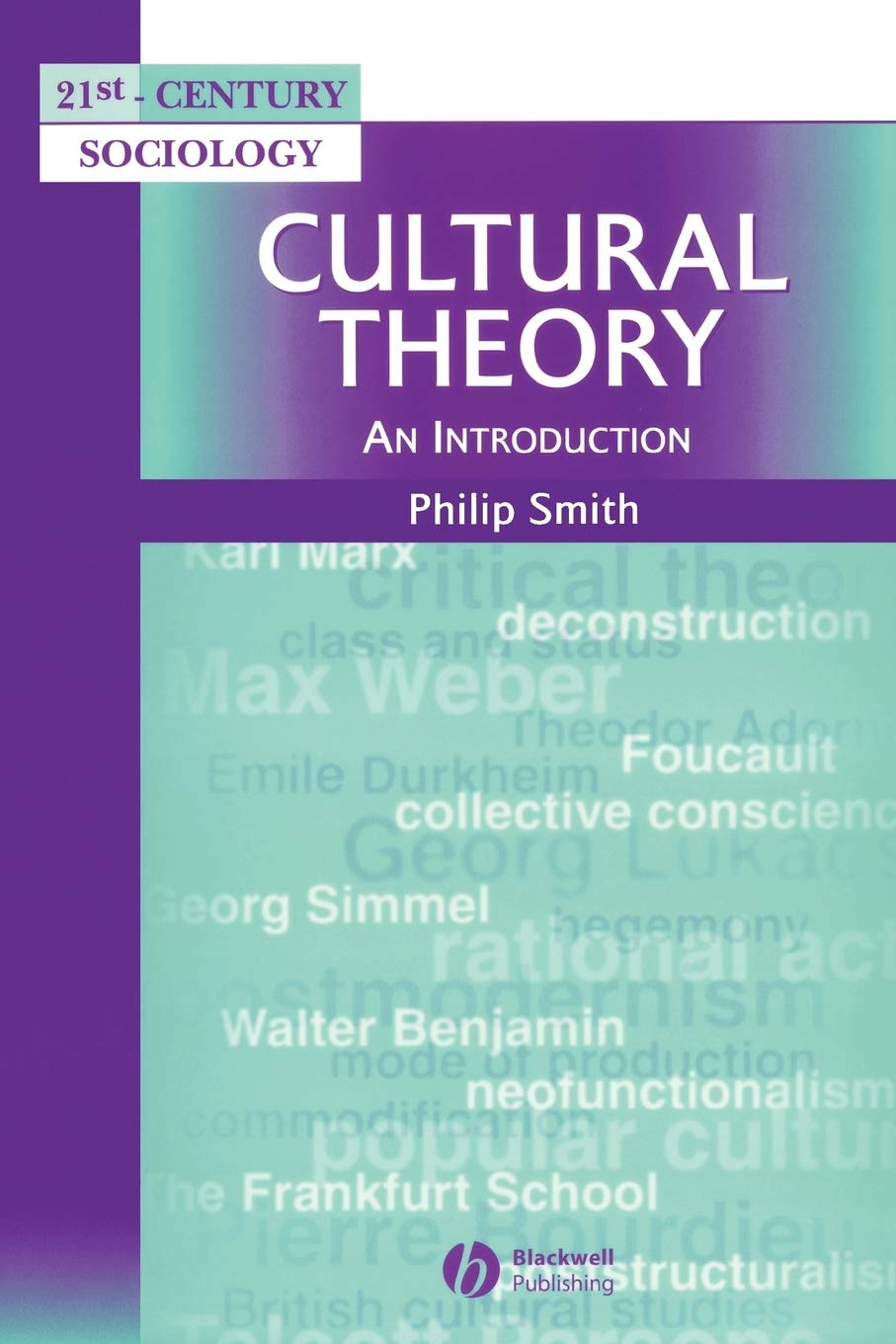
In this review of Cultural Theory: An Introduction the bottom line is simple: this is an approachable, classroom-ready guide for students and researchers who need a clear map of modern cultural theory. Philip Smith's book condenses a complex field into readable chapters and the single biggest reason to buy is its balance between breadth and student-focused support. The text combines summaries, biographical notes and cross-referencing that make it practical for coursework, initial research, or brushing up on key thinkers in cultural studies.
Key Features
- Concise overview: Provides a compact survey of major thinkers and movements so readers can grasp the field without wading through dense monographs.
- Wide-ranging coverage: Presents contemporary cultural theory across the last century, helping readers connect historical developments to current debates.
- Student aids: Includes summaries and biographical notes that save time when preparing for seminars or drafting essays.
- Cross-referencing: Internal cross-references guide readers between related concepts and authors for easier comparative reading.
- Further reading suggestions: Curated recommendations direct students to deeper sources for research projects or extended study.
Who It's For
This book is ideal for undergraduate and postgraduate students taking courses in cultural studies, sociology, or related humanities subjects who need a reliable introduction that ties theory to key figures. It will also suit early-stage researchers and instructors who want a concise reference to recommend in syllabus reading lists.
Those seeking exhaustive primary-source analysis or specialist monographs on a single thinker should look elsewhere; this is an introductory guide meant to orient readers rather than replace deep, original scholarship.
Pros & Cons
Pros
- Balanced, wide-ranging survey that clarifies complex ideas for students.
- Practical learning features such as summaries and biographical notes speed comprehension.
- Helpful cross-referencing and further reading recommendations support independent study.
Cons
- Not a substitute for in-depth primary texts or specialist monographs on individual theorists.
Specifications
| Title | Cultural Theory: An Introduction |
| Series | 21st Century Sociology |
| Author | Philip Smith |
| Scope | Overview of contemporary cultural theory across the last century |
| Student features | Summaries, biographical notes, cross-referencing, further reading suggestions |
| Intended audience | Students and researchers in culture and society studies |
Our Verdict
Cultural Theory: An Introduction is a solid, well-structured primer that delivers value for students and early researchers who need a readable, reliable map of cultural theory. Philip Smith's focus on clarity and useful learning aids makes it a strong classroom companion and a sensible purchase for anyone wanting an accessible route into complex theoretical debates.
Frequently Asked Questions
Is this book suitable for undergraduate courses?
Yes. The book's concise surveys and study features make it well suited for undergraduate modules on culture and society.
Does it cover contemporary thinkers as well as historical figures?
Yes. The text spans the last century and balances historical development with contemporary cultural theory.
Will this replace primary-source readings?
No. It is an introductory guide designed to orient readers and point to further reading rather than replace in-depth primary texts.
Editor's Take
A clear, classroom-ready primer that maps major thinkers and concepts in cultural theory; ideal for students and early researchers who need a practical, readable introduction.

Recently viewed
Recently viewed products will appear here as customers browse the store.