

Culturally Responsive Self-Care Practices for Early Childhood
Culturally Responsive Self-Care Practices for Early Childhood
Price subject to change. Tap below for current.
Couldn't load pickup availability
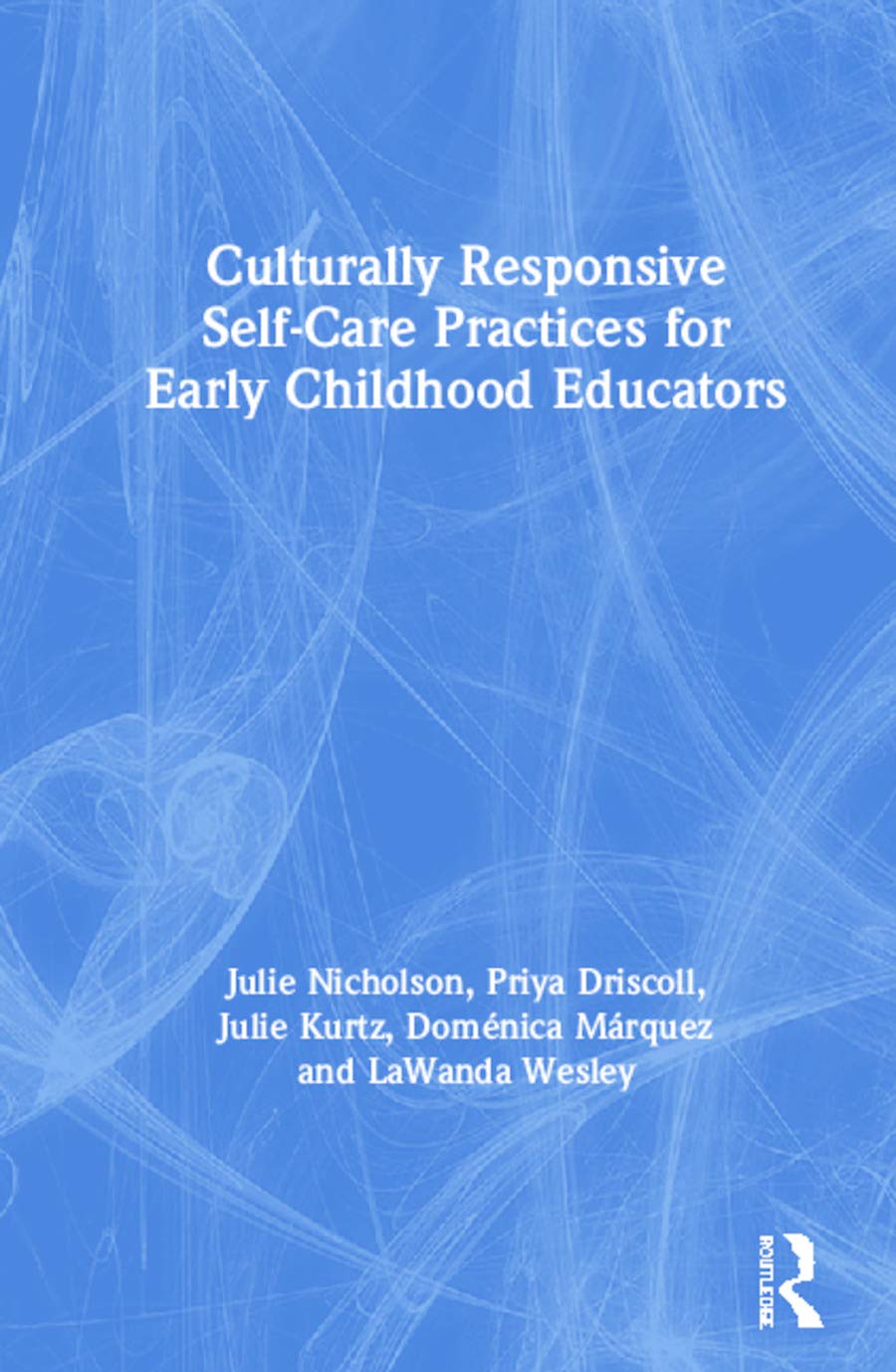
In this review of Culturally Responsive Self-Care Practices for Early Childhood Educators the authors offer a focused, field-specific guide to help early childhood staff build sustainable personal and institutional self-care habits. The book is clearly aimed at educators and program leaders who need strategies that respect cultural difference and workplace context. Its single biggest reason to buy is the practical, culturally informed approach that ties individual wellbeing to broader goals of social justice and equity, making the content directly applicable to day-to-day practice.
Key Features
- Field-specific guidance: Written for early childhood educators, the book provides strategies tailored to classroom, administrative, and family-engaged roles so readers can apply ideas immediately.
- Culturally responsive practices: The authors present tools drawn from diverse staff across communities, helping readers adapt self-care to different cultural backgrounds and contexts.
- Practical strategies and tools: Includes actionable techniques and routines that educators can implement without needing extensive time or extra resources.
- Research-informed: Key research findings are tied to recommendations so readers understand the evidence behind suggested practices.
- Institutional focus: Advocates for organizational awareness and change, encouraging programs to support educator wellbeing rather than leaving it solely to individuals.
- Personal anecdotes: Firsthand stories from practitioners illustrate how strategies work in real early childhood settings and clarify application.
Who It's For
The book is best for early childhood teachers, directors, family engagement coordinators, and professional development leaders seeking culturally aware self-care strategies that fit busy schedules. Those working in diverse communities or who want to center equity in wellbeing practices will find the emphasis on cultural responsiveness particularly useful.
Readers looking for a clinical therapy manual or a general adult wellness book not tied to schools may want a different resource; this title is strongest when used by people embedded in early childhood settings who can translate the suggestions into program routines and policies.
Pros & Cons
Pros
- Practical, immediately usable strategies created specifically for the early childhood field.
- Strong emphasis on culturally responsive approaches that respect diverse staff experiences.
- Connects educator self-care to systemic issues like equity and program support.
Cons
- Not a substitute for clinical mental health resources; readers needing therapy tools should consult professionals.
Specifications
| Title | Culturally Responsive Self-Care Practices for Early Childhood Educators |
| Authors | Julie Nicholson, Priya Driscoll, Julie Kurtz, LaWanda Wesley, Domenica Marquez |
| Audience | Early childhood educators, program leaders, family engagement staff |
| Focus | Culturally responsive self-care and institutional change |
| Content types | Research findings, strategies, tools, personal anecdotes |
| Primary benefit | Practical, field-specific wellbeing practices tied to equity goals |
Our Verdict
This book is a worthwhile purchase for early childhood professionals and program leaders who need pragmatic, culturally informed self-care strategies that can be applied within classrooms and organizations. It delivers value by linking individual wellbeing to institutional responsibility and by offering concrete tools drawn from diverse practitioner experience, making it a practical resource for teams committed to equity and sustainable staff support.
Frequently Asked Questions
Is this book suitable for classroom teachers?
Yes, it contains many classroom-friendly strategies and examples intended for teachers and assistants in early childhood settings.
Does it address organizational change?
Yes, the authors explicitly tie self-care to institutional awareness and recommend program-level supports alongside individual practices.
Will this replace professional mental health care?
No, the book offers practical and culturally responsive strategies but is not a substitute for clinical therapy or professional mental health services.
Editor's Take
A practical, culturally informed guide for early childhood educators and program leaders that links individual wellbeing to institutional responsibility and offers concrete, field-specific self-care strategies.

Recently viewed
Recently viewed products will appear here as customers browse the store.