

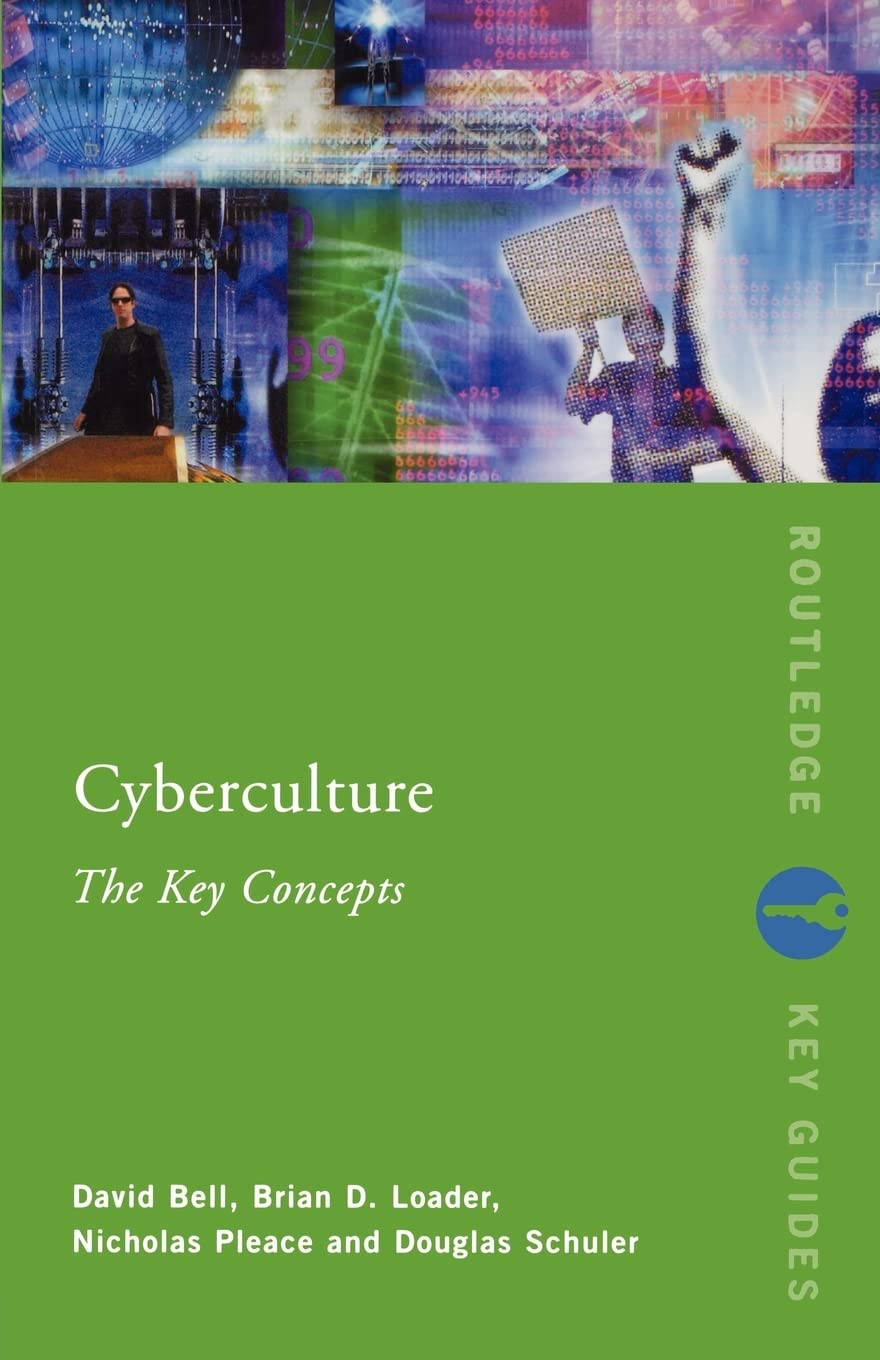
Cyberculture: The Key Concepts - Essential A-Z Guide to Digital Life
Cyberculture: The Key Concepts - Essential A-Z Guide to Digital Life
Price subject to change. Tap below for current.
Couldn't load pickup availability
In this review of Cyberculture: The Key Concepts the bottom line is clear: this compact A-Z reference is best for students, researchers and curious readers who want a concise, cross-referenced overview of the social and technical topics shaping digital life. The book's single biggest selling point is its breadth - entries range from artificial intelligence to netiquette, providing accessible, up-to-date introductions without requiring prior specialist knowledge. For those seeking a definitive textbook or a single deep monograph on one theory, this guide is a complementary, rather than replacement, resource.
Key Features
- Comprehensive A-Z format: The alphabetic entries make it quick to look up discrete topics from cyberfeminism to HTML and piracy.
- Wide topical range: Coverage spans technical, cultural and everyday subjects so readers get both theory and practical context.
- Cross-referenced entries: Internal references and suggestions for further reading help users follow themes across related concepts.
- Accessible writing: Clear, concise explanations make complex ideas available to non-specialists and newcomers.
- Up-to-date focus: The guide addresses fast-changing phenomena such as games and electronic government to reflect contemporary cyberculture debates.
Who It's For
The book suits undergraduates, postgraduate students and general readers who need a reliable, easy-to-navigate introduction to debates and terms in digital culture. It is particularly useful as a desk reference for essays or for quickly orienting oneself to an unfamiliar topic before deeper reading.
It is less well matched to readers who require exhaustive technical manuals, primary research data, or a single-author theoretical treatise; specialists seeking deeply original arguments on one narrow subject will want monographs or journal literature in addition to this guide.
Pros & Cons
Pros
- Broad, well-organized A-Z entries make it simple to find concise explanations across many cyberculture topics.
- Accessible language and cross-references help readers bridge technical and cultural perspectives.
- Includes practical topics alongside theory, which broadens its appeal beyond academic readers.
Cons
- As a reference guide, it cannot substitute for in-depth single-topic scholarship and may lack exhaustive detail for specialist research.
Specifications
| Title | Cyberculture: The Key Concepts |
| Series | The Key Concepts (Routledge Key Guides) |
| Authors / Editors | David J. J. Bell, Brian D Loader, Nicholas Pleace, Douglas Schuler |
| Format | A-Z reference entries covering technical and cultural topics |
| Coverage highlights | Artificial intelligence, cyberfeminism, games, HTML, netiquette, piracy |
| Features | Cross-referenced entries and suggestions for further reading |
Our Verdict
Cyberculture: The Key Concepts is a strong value for readers who need a concise, well-structured reference to contemporary digital culture. Its accessible entries and cross-referencing make it an excellent starting point for essays, classroom use, or anyone wanting quick, reliable explanations of both technical and cultural terms.
Frequently Asked Questions
Is this book suitable for beginners?
Yes. The clear entries are written to introduce terms and debates to readers without specialist background.
Does it include technical how-to guides?
No. It focuses on concepts and context rather than step-by-step technical instructions.
Will it point to further reading?
Yes. Each entry is cross-referenced and includes suggestions for further reading to deepen study.
Editor's Take
Cyberculture: The Key Concepts is a concise, well-structured A-Z reference that provides accessible introductions and cross-references across technical and cultural digital topics, ideal for students and general readers seeking reliable context.

Recently viewed
Recently viewed products will appear here as customers browse the store.