

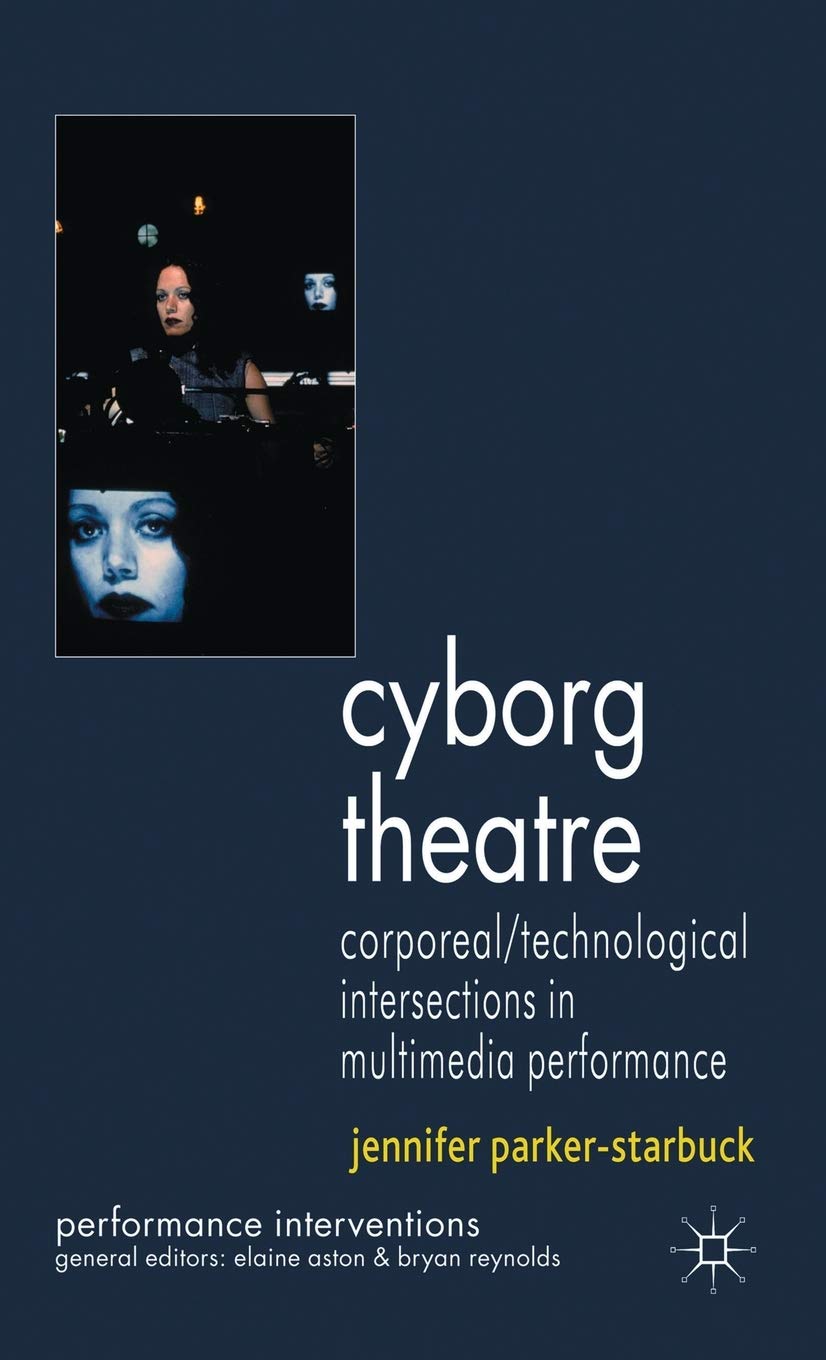
Cyborg Theatre: Corporeal/Technological Intersections in Multimedia
Cyborg Theatre: Corporeal/Technological Intersections in Multimedia
Price subject to change. Tap below for current.
Couldn't load pickup availability
In this review of Cyborg Theatre: Corporeal/Technological Intersections in Multimedia Performance, the reviewer finds a focused theoretical intervention aimed at scholars and practitioners exploring how bodies and technology intersect on stage. Jennifer Parker-Starbuck presents a coherent framework for a 'cyborg theatre' that clarifies how performance, mediation, and subjectivity shift in a post-human cultural moment, making this book valuable for readers seeking a rigorous interpretive lens rather than a how-to manual.
Key Features
- Theoretical framework: The book articulates the first clear theoretical context for a cyborg theatre, helping readers map connections between bodies and technologies in performance.
- Interdisciplinary reach: It draws on media studies, performance studies, and gender studies to offer tools that are useful across humanities disciplines.
- Case examples: A variety of performance examples are analyzed, giving concrete instances that illustrate abstract concepts and aid classroom discussion.
- Reimagined subjectivity: The text proposes ways to rethink subjectivity for a post-human age, which is helpful for critical studies of identity and embodiment.
- Scholarly voice: The writing maintains a critical, academic tone that supports advanced coursework and research bibliographies.
Who It's For
This book is best suited for graduate students, researchers, and theatre practitioners interested in critical theory, performance studies, and gender or media theory who want a conceptual vocabulary for discussing technologically mediated embodiment. Its emphasis on theory and case analysis makes it particularly appropriate for seminar reading lists and scholarly citation.
Readers seeking practical staging instructions, step-by-step technical guides, or light popular treatments of multimedia theatre should look elsewhere; this is an interpretive, academic study rather than a production handbook or introductory overview for general audiences.
Pros & Cons
Pros
- Provides a pioneering theoretical context specifically focused on cyborg theatre, filling a gap in performance studies literature.
- The interdisciplinary approach makes the book valuable across media studies and gender studies syllabi.
- Concrete examples anchor abstract arguments and aid classroom discussion of multimedia performance.
Cons
- The academic tone and dense theoretical language may be challenging for readers looking for a popular or practical guide.
Specifications
| Title | Cyborg Theatre: Corporeal/Technological Intersections in Multimedia Performance |
| Author | Jennifer Parker-Starbuck |
| Subject areas | Performance studies, media studies, gender studies |
| Focus | Theory of cyborg theatre and mediated embodiment |
| Use case | Graduate study, scholarly research, course reading |
| Approach | Interdisciplinary critical analysis with performance examples |
Our Verdict
Cyborg Theatre is a thoughtful, conceptually rich study that offers a needed vocabulary for discussing how bodies and technologies interact on stage. Scholars and advanced students will find it good value for building theoretical chapters or seminar reading lists, though those seeking practical production guidance should consult technical manuals instead.
Frequently Asked Questions
Is this book suitable for undergraduate courses?
Yes, it can be used in upper-level undergraduate courses with supplementary introductory materials to support less experienced readers.
Does the book include practical staging advice?
No, it focuses on theory and critical analysis rather than step-by-step technical production guidance.
Will it help with research on gender and technology?
Yes, its interdisciplinary framework is designed to inform work at the intersection of gender studies, media studies, and performance.
Editor's Take
Cyborg Theatre is a conceptually rich academic study that provides a useful theoretical vocabulary for scholars and advanced students exploring how bodies and technologies intersect on stage; it is strong for research and coursework but not a practical production guide.

Recently viewed
Recently viewed products will appear here as customers browse the store.