

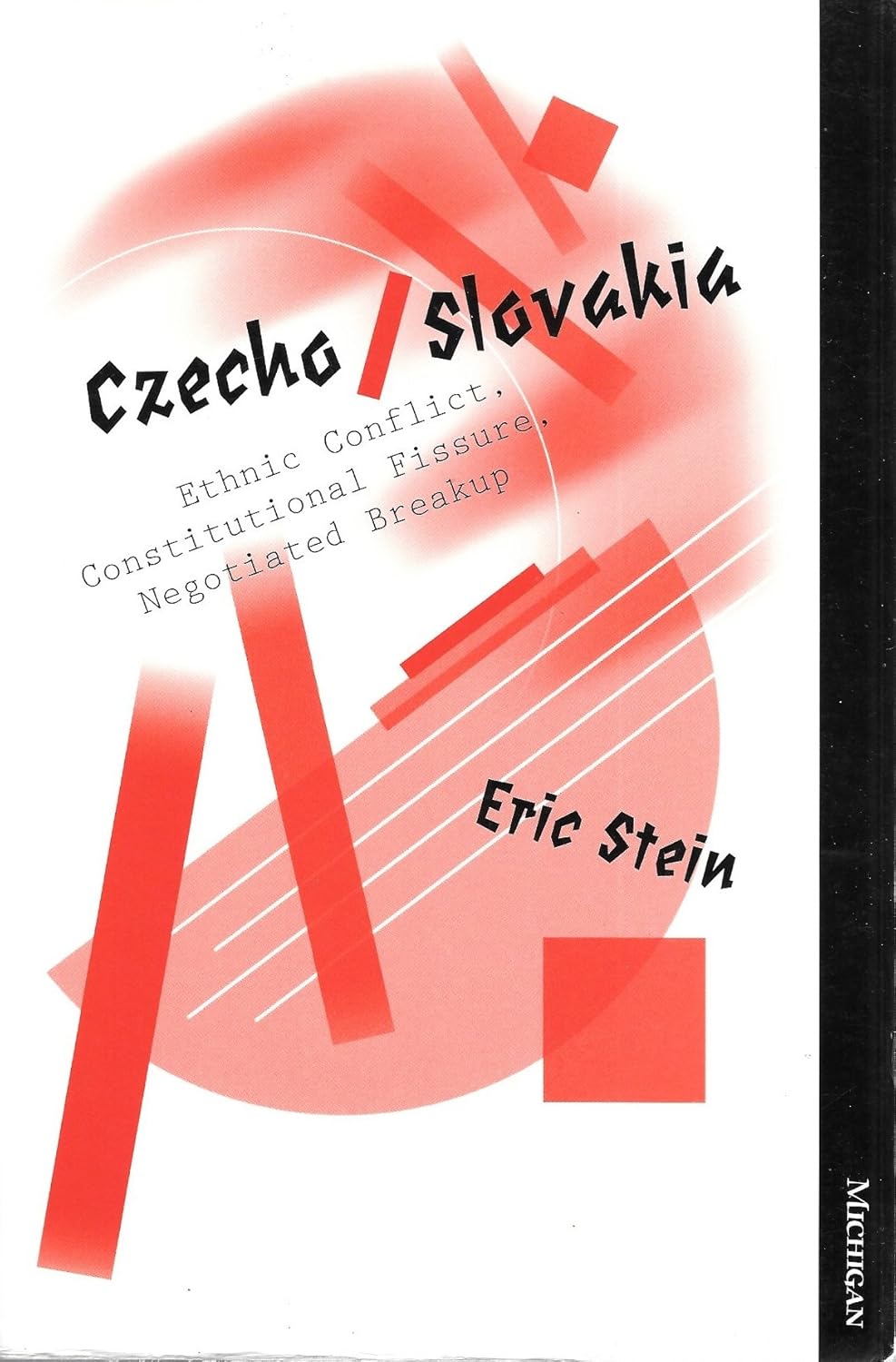
Czecho/Slovakia: Ethnic Conflict, Constitutional Fissure, Negotiated
Czecho/Slovakia: Ethnic Conflict, Constitutional Fissure, Negotiated
Price subject to change. Tap below for current.
Couldn't load pickup availability
In this review of Czecho/Slovakia: Ethnic Conflict, Constitutional Fissure, Negotiated Breakup the author documents a rare peaceful dissolution of a modern European state and explains why historians, political scientists, and informed readers should pay attention. The book focuses on the failed search for a postcommunist constitution and the negotiated terms that led to the split at midnight on December 31, 1992. Its single biggest reason to buy is the clear narrative of how constitutional negotiation, nationalism, and pragmatic compromise combined to produce an orderly breakup rather than violent conflict.
Key Features
- Detailed historical narrative: The book records the step-by-step negotiations between Czechs and Slovaks, giving readers a sense of how political bargaining shaped outcomes.
- Focus on constitutional politics: It examines the failed search for a postcommunist constitution, showing how institutional design influenced the breakup.
- Ethnic conflict analysis: The text situates the Czech-Slovak split within broader questions about the sources of ethnic conflict and the impact of nationalism.
- Engaging prose: Written in a lively style that makes complex legal and political issues accessible to non-specialists.
- Case study of peaceful settlement: Presents a singular instance where an ethnic dispute was resolved without violence, useful for comparative scholars and policy students.
Who It's For
This book is best for students of international and world politics, scholars of postcommunist transitions, and readers interested in constitutional design and conflict resolution. It serves as a compact case study for courses on nationalism, ethnic conflict, or European political development.
Readers seeking a general history of 20th-century Czechoslovakia or a broad survey of Central Europe may find this narrowly focused study less suitable; it centers on institutional negotiation and the breakup rather than offering a sweeping cultural or social history.
Pros & Cons
Pros
- Provides a focused, well-documented account of the negotiated breakup and the constitutional debates that precipitated it.
- Clarifies links between nationalism and institutional choices in a readable narrative tone.
- Useful as a teaching text or comparative case for policymakers studying peaceful conflict resolution.
Cons
- The book's tight focus on constitutional negotiation means readers seeking social or cultural context may need supplementary sources.
Specifications
| Title | Czecho/Slovakia: Ethnic Conflict, Constitutional Fissure, Negotiated Breakup |
| Author | Eric Stein |
| Subject | Postcommunist constitutional politics and ethnic conflict |
| Historical focus | Negotiations leading to breakup at December 31, 1992 |
| Approach | Case study of peaceful settlement and constitutional failure |
| Intended audience | Students, scholars, and readers of international politics |
Our Verdict
Eric Stein's study is a concise, valuable account for anyone wanting a focused analysis of how constitutional negotiation and nationalism produced a peaceful dissolution of Czechoslovakia. It represents good value for students and specialists who need a clear case study of institutional design and ethnic conflict resolution, though supplemental works will enrich broader historical context.
Frequently Asked Questions
Does the book explain why the breakup remained peaceful?
Yes; it emphasizes how negotiated constitutional arrangements and pragmatic bargaining reduced incentives for violent confrontation.
Is this suitable for undergraduate courses?
Yes; it works well as a compact case study in courses on nationalism, European politics, or constitutional design.
Does it cover social and cultural history of Czechs and Slovaks?
The focus is institutional and political, so readers should consult additional sources for social and cultural background.
Editor's Take
Eric Stein's study is a concise, valuable account explaining how constitutional negotiation and nationalism produced a peaceful dissolution of Czechoslovakia, ideal for students and specialists as a case study of institutional design and ethnic conflict resolution.

Recently viewed
Recently viewed products will appear here as customers browse the store.