

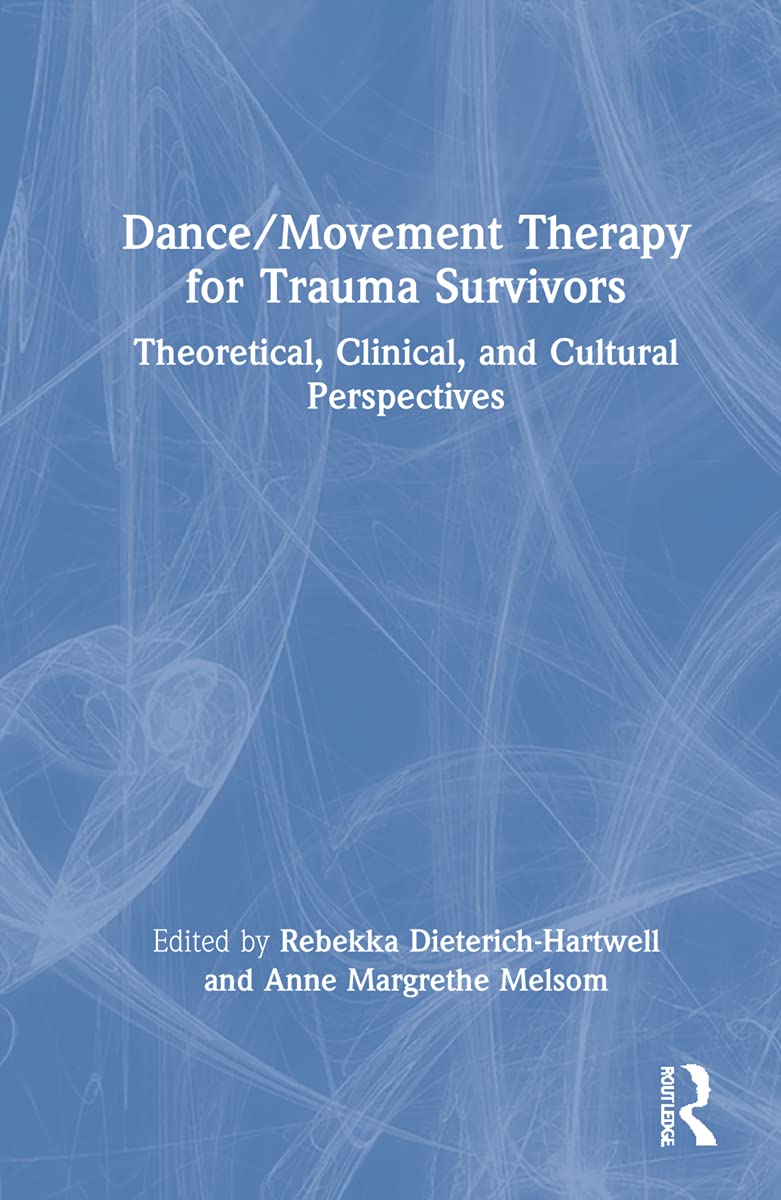
Dance/Movement Therapy for Trauma Survivors - Clinical Perspectives
Dance/Movement Therapy for Trauma Survivors - Clinical Perspectives
Price subject to change. Tap below for current.
Couldn't load pickup availability
In this review of Dance/Movement Therapy for Trauma Survivors, the book is recommended for clinicians, trauma therapists, and trainees who want a thorough, practice-oriented introduction to using movement in trauma treatment. The single biggest reason to buy is its blend of clinical examples with foundational theory and a clear neurobiological framing, which makes complex ideas accessible and directly applicable to work with veterans, refugees, survivors of sex trafficking, and those affected by multigenerational trauma.
Key Features
- Theoretical foundation: Presents core concepts of dance/movement therapy tied to traditional trauma theory so practitioners can ground movement interventions in established frameworks.
- Neurobiological framework: Explains body-based and brain-centered mechanisms that support why movement can help regulate trauma responses.
- Clinical examples: Rich, real-world case material illuminates how to apply dance, creative movement, and body awareness with diverse populations.
- Cultural context: Emphasizes power, privilege, and oppression so readers consider sociocultural dynamics when planning trauma-sensitive interventions.
- Multiple perspectives: Features contributions from varied practitioners, offering a range of approaches and insights for different settings.
Who It's For
This book is ideal for licensed therapists, dance/movement therapy practitioners, counselors, and graduate students seeking a comprehensive, clinically focused resource on somatic approaches to trauma. The detailed case material and theoretical chapters make it useful for those integrating movement-based techniques into existing trauma work.
Readers who need a step-by-step beginner workbook with exercises to hand directly to clients or those seeking a brief pop-psychology overview should look elsewhere; this volume is more of a professional, evidence-informed text than a short self-help manual.
Pros & Cons
Pros
- Strong integration of neurobiological theory with dance/movement methods, helping clinicians understand mechanisms.
- Practical clinical examples that show concrete application across varied trauma-affected populations.
- Thoughtful attention to cultural, power, and oppression dynamics that encourages reflective practice.
Cons
- Not designed as a step-by-step client workbook, so some readers may want additional practical exercise guides.
Specifications
| Title | Dance/Movement Therapy for Trauma Survivors: Theoretical, Clinical, and Cultural Perspectives |
| Authors | Rebekka Dieterich-Hartwell, Anne Margrethe Melsom |
| Focus | Treatment of psychological trauma using dance, creative movement, and body awareness |
| Approach | Combines traditional trauma theory and a neurobiological framework |
| Populations highlighted | Survivors of sex trafficking, military veterans, refugees, multigenerational trauma |
| Perspective | Multiple contributors with emphasis on cultural context and power dynamics |
Our Verdict
For clinicians and trainees seeking a substantial, practice-oriented exploration of dance/movement therapy for trauma, this book is a strong value: it links theory, neurobiology, and vivid clinical examples while prompting necessary cultural and ethical reflection. It is best bought by professionals who will apply its frameworks in therapeutic settings rather than casual readers seeking brief exercises.
Frequently Asked Questions
Does this book explain why movement helps trauma survivors?
Yes. It presents a neurobiological framework alongside trauma theory to explain body-based mechanisms for regulation and healing.
Are there real clinical examples?
Yes. Multiple chapters include detailed case material showing how dance, creative movement, and body awareness are used with varied populations.
Is this suitable for nonclinicians?
It is written for practitioners and trainees; nonclinicians may find the material thorough but should expect a professional tone rather than a simple self-help guide.
Editor's Take
This book is a substantial, practice-oriented resource for clinicians and trainees, linking trauma theory, neurobiology, and vivid clinical examples to inform movement-based therapy while emphasizing cultural and ethical reflection.

Recently viewed
Recently viewed products will appear here as customers browse the store.