

Daoism and Environmental Philosophy - Rigorous Textual Guide
Daoism and Environmental Philosophy - Rigorous Textual Guide
Price subject to change. Tap below for current.
Couldn't load pickup availability
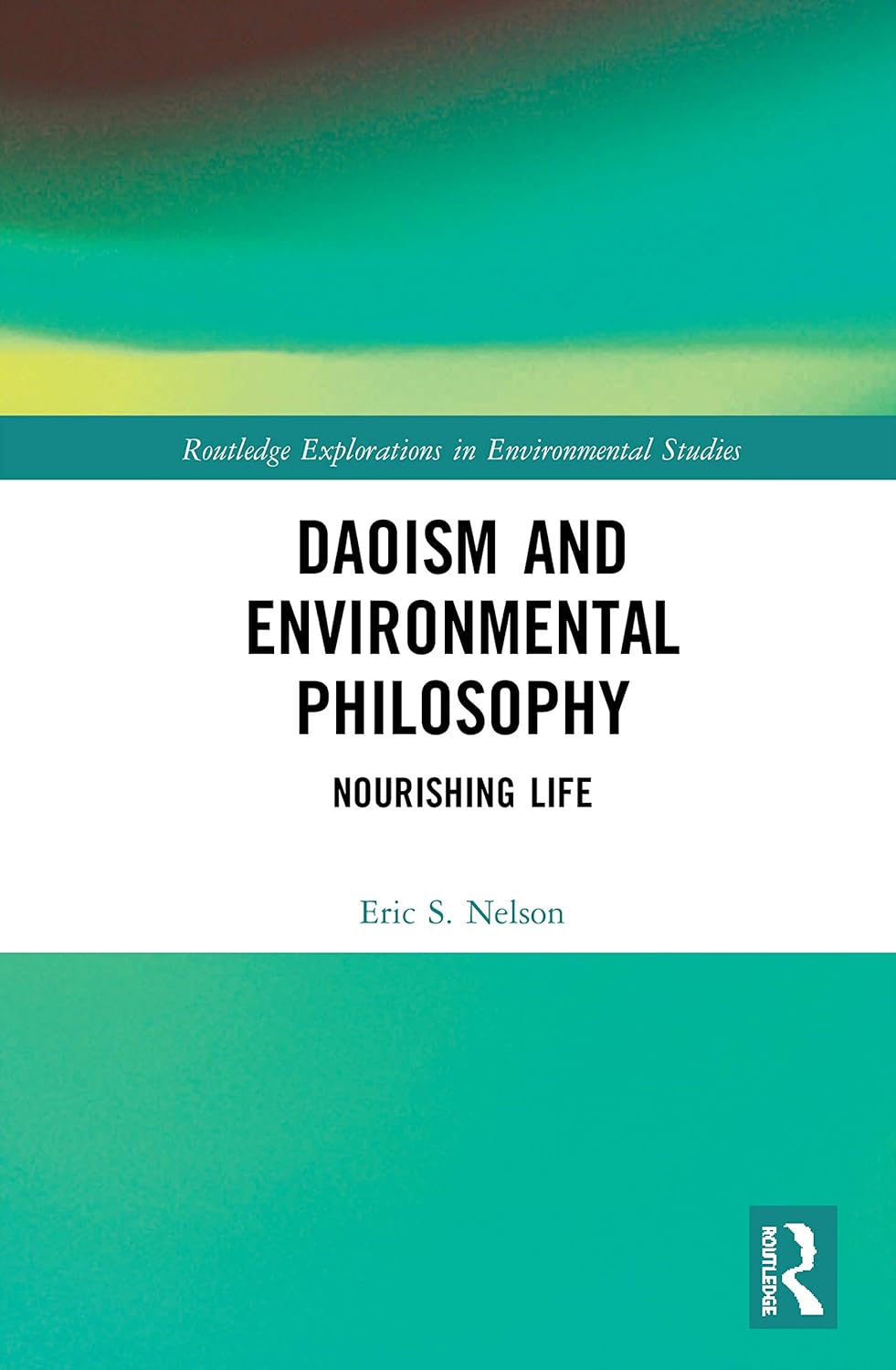
In this review of Daoism and Environmental Philosophy the book is recommended for readers seeking a rigorous, text-centered introduction to early Daoist thought and its relevance to ecological ethics. Eric S. Nelson traces arguments in the Daodejing, the Zhuangzi and related texts to show how practices of embodied emptying, forgetting, and communicative undoing can inform a contemporary environmental ethos. The book's single biggest reason to read it is its careful close readings that connect classical Daoist techniques - such as embracing plainness and responsive attunement - to tangible ideas for cultivating a more expansive ecological sensibility.
Key Features
- Close textual analysis: Detailed readings of the Daodejing and Zhuangzi clarify how early Daoist passages suggest practical ethical practices for relating to the more-than-human world.
- Ethics of simplicity: The book explains how embracing plainness and simplicity functions as an ethical stance that nourishes shared elemental life rather than dominating it.
- Embodied practices: Nelson highlights practices of embodied emptying and forgetting that offer concrete methods for reducing fixations on words, things, and the self.
- Communicative strategies: The text discusses strategies of undoing linguistic and conceptual fixations, useful for scholars interested in philosophy of language and environmental thought.
- Contemporary relevance: Chapters connect classical Daoist insights to the contemporary environmental crisis, making philosophical material applicable to modern ecological debates.
Who It's For
This book is well suited to graduate students, scholars, and informed readers in environmental studies, philosophy, religious studies, or East Asian thought who want sustained, academic engagement with primary Daoist texts and their ethical implications. It will also interest practitioners seeking philosophical foundations for contemplative or ecological practice.
Readers looking for a practical how-to guide, an introductory textbook for first-time readers of Daoist literature, or a popular overview with broad historical narrative may prefer a more general or abridged treatment, as this volume emphasizes critical and close reading over introductory breadth.
Pros & Cons
Pros
- Well-argued close readings make connections between classical passages and modern ecological ethics clear and persuasive.
- Focus on embodied practices and communicative undoing gives the book practical philosophical tools, not just abstract theory.
- Addresses both the Daodejing and Zhuangzi, offering comparative perspectives within early Daoism.
Cons
- The book's scholarly, text-focused approach may be dense for casual readers seeking a light introduction.
Specifications
| Title | Daoism and Environmental Philosophy |
| Series | Routledge Explorations in Environmental Studies |
| Author | Eric S. Nelson |
| Focus texts | Daodejing, Zhuangzi, related early Daoist works |
| Main themes | Ethics of simplicity, embodied emptying, communicative undoing |
Our Verdict
Daoism and Environmental Philosophy is a valuable scholarly resource for those who want a deep, textually grounded account of how early Daoist practices and ideas can inform environmental ethics. It delivers careful argumentation and applicable philosophical tools, making it good value for students and researchers seeking critical insights rather than a popular primer.
Frequently Asked Questions
Does this book focus on primary Daoist texts?
Yes. The analysis centers on the Daodejing, the Zhuangzi, and related texts with detailed close readings.
Is this suitable for casual readers?
It is primarily scholarly and may be dense for casual readers; it is best for students and specialists.
Does the book relate Daoism to contemporary environmental issues?
Yes. Nelson connects early Daoist ethics and practices to contemporary ecological concerns and ethical responses.
Editor's Take
A rigorous, text-centered study that connects the Daodejing and Zhuangzi to ecological ethics; ideal for students and scholars seeking scholarly insight rather than a popular introduction.

Recently viewed
Recently viewed products will appear here as customers browse the store.