

Data Mining for Association Rules and Sequential Patterns - Algorithms
Data Mining for Association Rules and Sequential Patterns - Algorithms
Price subject to change. Tap below for current.
Couldn't load pickup availability
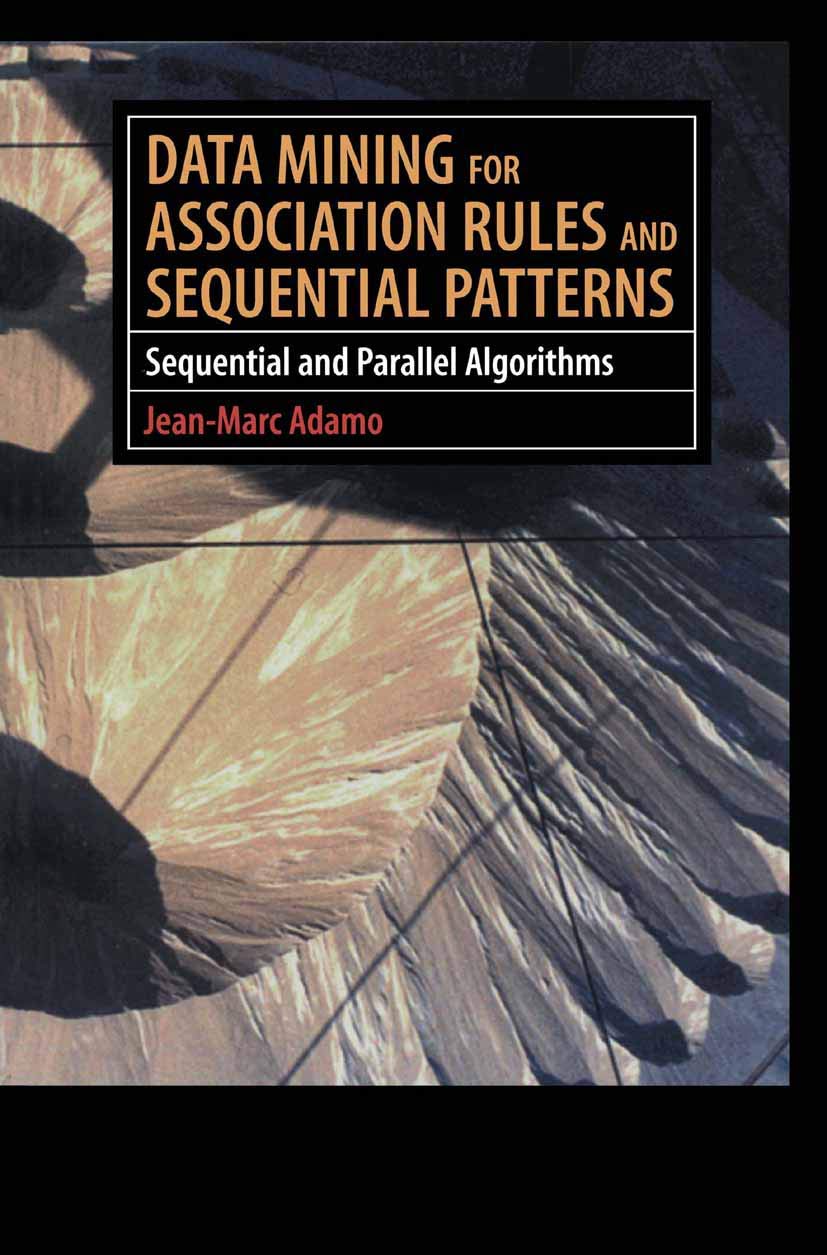
In this review of Data Mining for Association Rules and Sequential Patterns: Sequential and Parallel Algorithms the bottom line is clear: this monograph is aimed at practitioners and professionals who need a rigorous, algorithm-focused reference for large-scale data mining. The book delivers a concentrated survey of essential algorithms used for association rules and sequential pattern discovery and is strongest as a technical companion for engineers working on scalable mining systems. Readers seeking practical algorithm detail and parallelization strategies will find the single biggest reason to buy is its focused, state-of-the-art treatment of methods for handling large databases.
Key Features
- Comprehensive algorithm coverage: Presents core algorithms for association rule mining and sequential pattern discovery so readers can understand method tradeoffs and implementation choices.
- Scalable focus: Emphasizes sequential and parallel algorithms that are applicable to large-scale databases, helping engineers design systems that perform on big data.
- Practitioner orientation: Written as a monograph for professionals, it highlights applications and engineering concerns rather than introductory theory alone.
- Concise reference format: Organized as a state-of-the-art survey so it can be used as a quick technical reference during development or research.
- Relevant to multiple domains: Relevant to computer science, computer engineering, and AI and machine learning projects that require pattern discovery in transactional or sequence data.
Who It's For
Data Mining for Association Rules and Sequential Patterns is best for data engineers, applied researchers, and computer science professionals who need a concentrated algorithmic reference rather than a hands-on tutorial. It suits teams building scalable mining pipelines or implementing parallel algorithms for pattern discovery in enterprise databases.
Readers who are new to data mining or who want a gentle, example-driven introduction should look elsewhere; this book expects familiarity with core computing concepts and focuses on algorithmic detail and performance considerations rather than step-by-step exercises.
Pros & Cons
Pros
- Detailed coverage of both association rule and sequential pattern algorithms supports implementation and comparison.
- Strong emphasis on sequential and parallel methods makes it useful for large-scale, production contexts.
- Written as a state-of-the-art monograph, it consolidates contemporary algorithmic approaches in one place.
Cons
- Not designed as a beginner textbook, so newcomers may find it dense without prior background.
Specifications
| Title | Data Mining for Association Rules and Sequential Patterns |
| Subtitle | Sequential and Parallel Algorithms |
| Author | Jean-Marc Adamo |
| Format | State-of-the-art monograph |
| Audience | Practitioners and professionals in computer science and computer engineering |
| Primary focus | Algorithms for large-scale databases |
Our Verdict
For engineers and applied researchers who need a focused algorithmic reference on association rules and sequential pattern mining, this monograph represents good value: it compiles contemporary sequential and parallel methods in a single, practitioner-oriented volume. Those building scalable data mining systems will appreciate the concentrated treatment and implementation-minded perspective.
Frequently Asked Questions
Is this book suitable for beginners?
This book is written for professionals and assumes familiarity with computing concepts, so beginners may prefer an introductory text first.
Does it cover parallel algorithms?
Yes, the monograph emphasizes sequential and parallel algorithms intended for large-scale database applications.
Who benefits most from this book?
Data engineers, computer scientists, and practitioners implementing scalable pattern discovery will gain the most value from the algorithmic focus.
Editor's Take
A practitioner-oriented monograph that compiles contemporary sequential and parallel algorithms for association rules and sequential patterns, well suited to engineers and applied researchers building scalable data mining systems.

Recently viewed
Recently viewed products will appear here as customers browse the store.