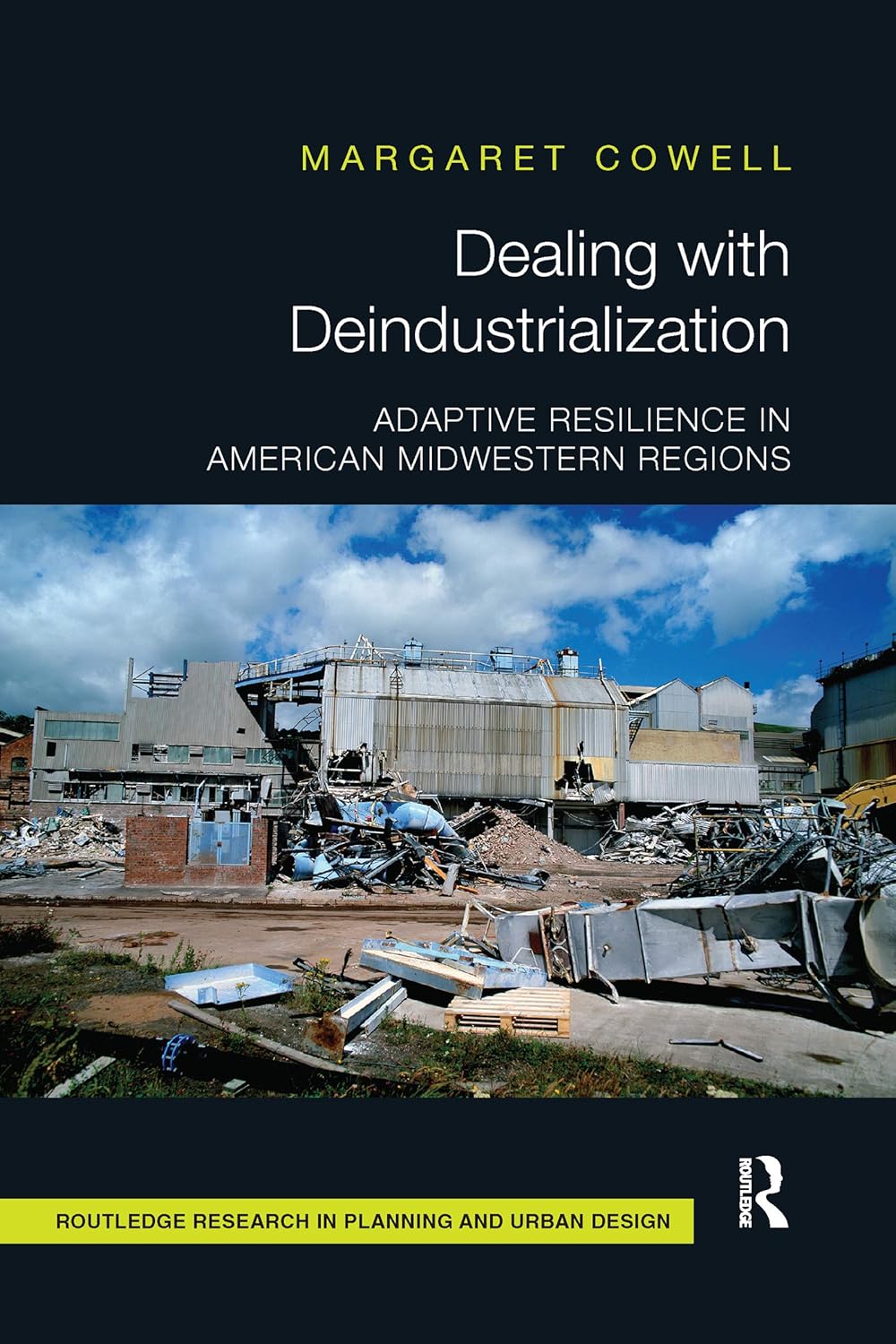
Dealing with Deindustrialization: Urban Planning Insights
Dealing with Deindustrialization: Urban Planning Insights
Price subject to change. Tap below for current.
Couldn't load pickup availability
In the realm of urban studies, Dealing with Deindustrialization emerges as a pivotal resource for understanding the complexities of urban planning in post-industrial contexts. This insightful book, part of the Routledge Research in Planning and Urban Design series, delves into the multifaceted challenges that cities face as they navigate the consequences of deindustrialization.
Margaret Cowell, the author, provides a comprehensive analysis of how urban areas can adapt to the loss of manufacturing jobs and the economic shifts that accompany this transition. The book emphasizes the importance of strategic urban planning to revitalize communities affected by industrial decline. Through case studies and empirical research, Cowell illustrates successful strategies that have been implemented in various cities.
One of the standout features of this work is its focus on community engagement. Cowell argues that involving local residents in the planning process is crucial for fostering sustainable development. By prioritizing community involvement, cities can create tailored solutions that address the unique needs of their populations.
The book also explores the role of policy in shaping urban landscapes. Cowell critiques existing policies and proposes innovative frameworks that can better support cities in their recovery from deindustrialization. This critical examination of urban policy is essential for planners and policymakers looking to create resilient urban environments.
Additionally, the text addresses the environmental implications of deindustrialization. Cowell highlights the need for sustainable practices in urban redevelopment, advocating for green initiatives that can mitigate the negative impacts of industrial decline. The integration of sustainable practices into urban planning is not just beneficial for the environment; it also enhances the quality of life for residents.
Throughout the book, Cowell emphasizes the interconnectedness of economic, social, and environmental factors in urban planning. This holistic approach is vital for understanding the complexities of deindustrialization and its effects on urban areas. By examining these interrelations, urban planners can develop more effective strategies for revitalization.
In conclusion, Dealing with Deindustrialization is an essential read for anyone involved in urban planning, policy-making, or community development. Margaret Cowell's insights and recommendations provide a valuable framework for addressing the challenges posed by deindustrialization, making this book a critical addition to the field of urban studies.
Share