

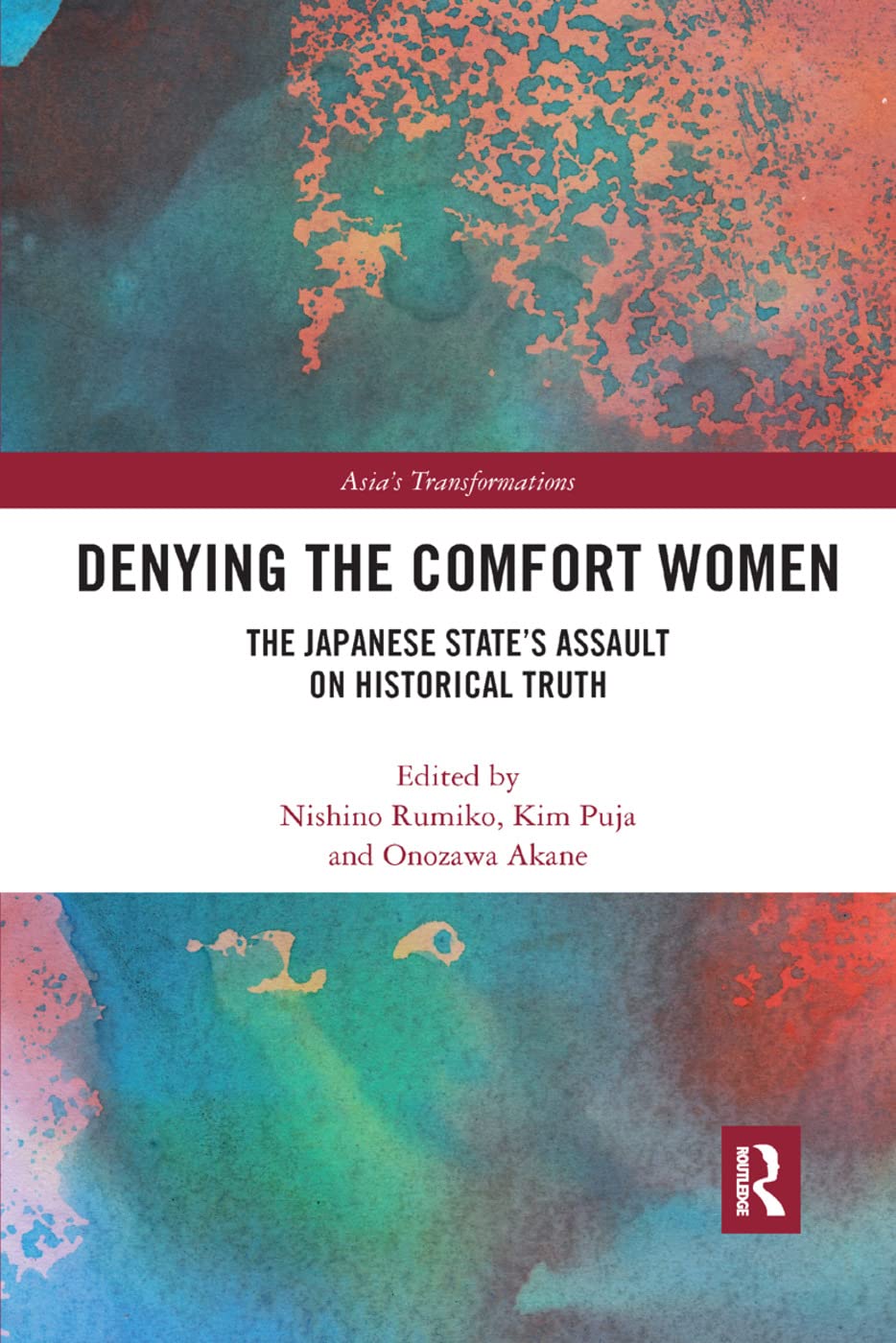
Denying the Comfort Women: The Japanese State's Assault on Historical
Denying the Comfort Women: The Japanese State's Assault on Historical
Price subject to change. Tap below for current.
Couldn't load pickup availability
In this review the book Denying the Comfort Women provides a rigorous, research-driven examination of one of the most contested episodes of the Asia-Pacific War. It is for readers who want a careful, archival account rather than polemic. The single biggest reason to read it is its methodical use of archival research, court testimonies and eyewitness accounts to trace how coercion operated and how state institutions shaped the postwar narrative. This review highlights what makes the book useful for scholars, students and informed general readers.
Key Features
- Archival research: The book brings together primary sources from military and civilian archives to show how policies and practices enabled the comfort women system.
- Court testimonies: It uses legal records and testimonies to document individual experiences and the judicial record surrounding coercion and recruitment.
- Eyewitness accounts: Firsthand survivor and personnel accounts are integrated to give human context to institutional decisions and practices.
- Comparative analysis: Part I contrasts licensed peacetime prostitution with wartime sexual slavery to clarify historical continuities and differences.
- Institutional critique: Part II scrutinizes the Asian Womens Fund and explains why that initiative failed to resolve the issue for survivors and publics.
- Policy implications: Part III examines the longer-term political effects of denial and historical contestation on state accountability.
Who It's For
This book is aimed at scholars of modern East Asian history, human rights researchers and advanced students seeking a source-grounded treatment of the comfort women controversy and state responses. Readers who value primary evidence and sober institutional analysis will find the book especially valuable.
It is less suited to readers seeking a brief introduction or a heavily illustrated memoir; the emphasis here is academic analysis and documentary evidence, so casual readers who want narrative testimony as the primary focus may prefer survivor-centered collections.
Pros & Cons
Pros
- Thorough archival grounding provides a reliable foundation for arguments about coercion and recruitment.
- Integration of court testimonies and eyewitness material brings legal and human perspectives into dialogue.
- Clear structural division into Parts I-III helps readers follow analysis from historical modalities to postwar institutional outcomes.
Cons
- The book's dense, research-focused style may feel heavy for readers seeking a concise popular overview.
Specifications
| Title | Denying the Comfort Women: The Japanese State's Assault on Historical Truth |
| Series | Asia's Transformations |
| Authors / Editors | Rumiko Nishino, Puja Kim, Akane Onozawa |
| Main topics | Comfort women system, coercion, wartime sexual slavery, institutional responses |
| Sources used | Archival research, court testimonies, eyewitness accounts |
| Key sections | Part I: modalities of coercion; Part II: Asian Womens Fund; Part III: postwar exploration |
Our Verdict
Denying the Comfort Women is a substantive, evidence-driven work that matters for anyone researching wartime sexual slavery, state denial and postwar remediation. Its archival and testimonial base makes it a strong purchase for academic libraries and informed readers; value comes from its documentary depth rather than light reading appeal.
Frequently Asked Questions
Does the book use primary sources?
Yes. It relies on archival documents, court testimonies and eyewitness accounts to support its claims.
Is this a survivor memoir?
No. While it includes survivor and personnel accounts, the book is an academic analysis comparing modalities of coercion and institutional responses.
Who produced the critique of the Asian Womens Fund?
Part II of the book examines the failures of the Asian Womens Fund using documentary and testimonial evidence to assess its limitations.
Editor's Take
Denying the Comfort Women is a rigorous, archival study of wartime coercion and postwar denial; ideal for scholars and informed readers who need documentary depth rather than light narrative.

Recently viewed
Recently viewed products will appear here as customers browse the store.