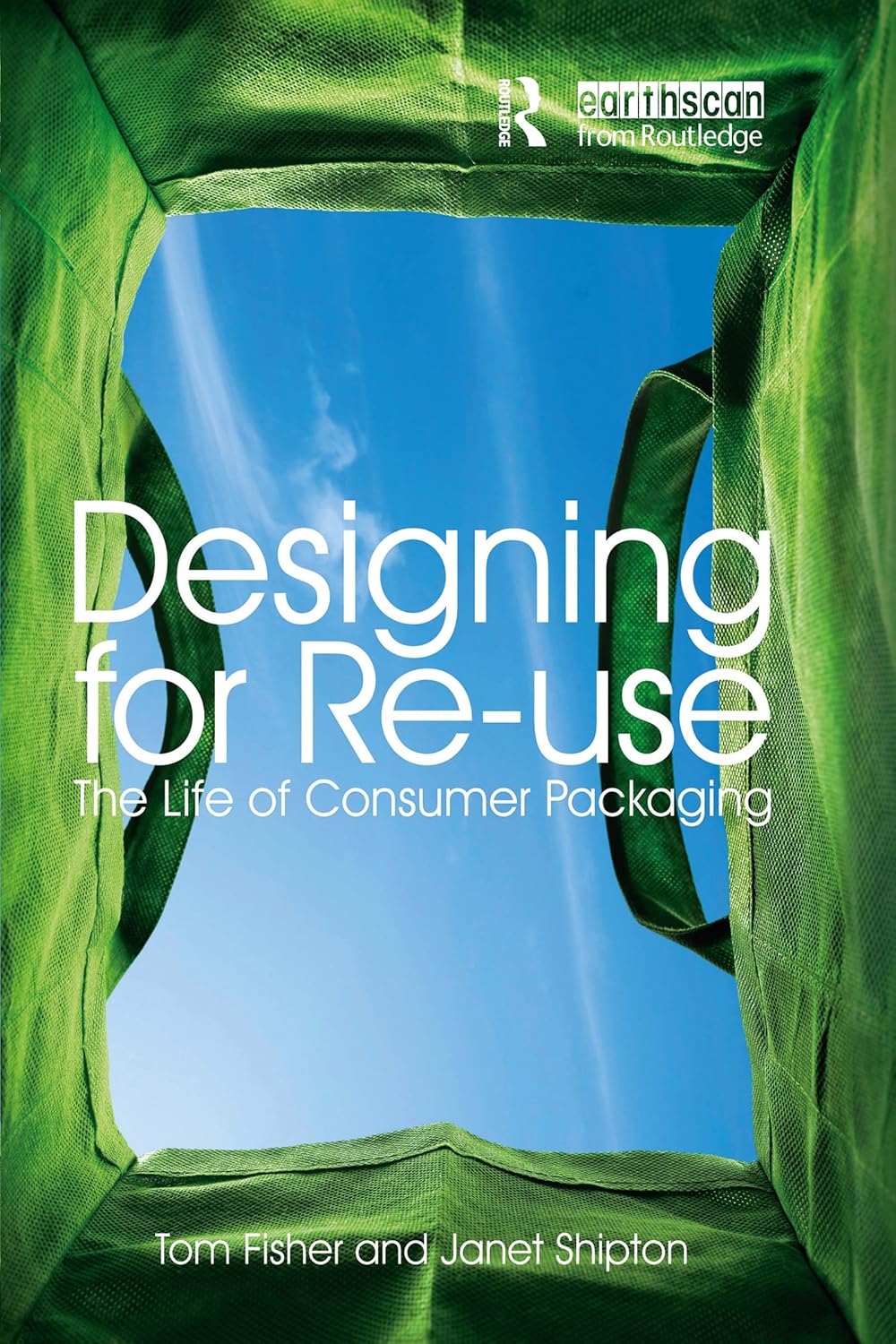
Designing for Re-Use: A Comprehensive Guide to Sustainable Design
Designing for Re-Use: A Comprehensive Guide to Sustainable Design
Price subject to change. Tap below for current.
Couldn't load pickup availability
In today's world, the importance of sustainable design cannot be overstated. The book Designing for Re-Use by Tom Fisher and Janet Shipton provides a thorough exploration of how to create products that can be reused, recycled, or repurposed. This guide is essential for anyone interested in environmentally friendly practices in design.
The authors delve into various strategies that can be employed to enhance the longevity of products. By focusing on durability and adaptability, designers can create items that not only serve their purpose but also contribute positively to the environment. This book emphasizes the need for a shift in mindset towards circular economy principles.
One of the standout features of this book is its practical approach. It includes numerous case studies that illustrate successful implementations of reusable design concepts. These real-world examples serve as inspiration for designers looking to make a difference in their own projects.
Additionally, the authors provide a comprehensive framework for evaluating existing products. By assessing their potential for reusability and recyclability, designers can make informed decisions that align with sustainable goals. This framework is invaluable for both new and experienced designers.
Moreover, the book addresses the challenges faced in the industry when it comes to adopting sustainable practices. It discusses the barriers to implementing eco-friendly designs and offers solutions to overcome these obstacles. This candid discussion is crucial for fostering a culture of sustainability in design.
Readers will also appreciate the emphasis on collaboration within the design community. The authors advocate for a collective effort in promoting sustainable design practices, encouraging designers to share knowledge and resources. This collaborative spirit is essential for driving change in the industry.
In conclusion, Designing for Re-Use is more than just a book; it is a call to action for designers everywhere. By embracing the principles outlined in this guide, we can all contribute to a more sustainable future. Whether you are a student, a professional designer, or simply someone interested in sustainability, this book is a must-read.
Share