

Detection Avoidance in Homicide - Scholarly of Offender Evasion
Detection Avoidance in Homicide - Scholarly of Offender Evasion
Price subject to change. Tap below for current.
Couldn't load pickup availability
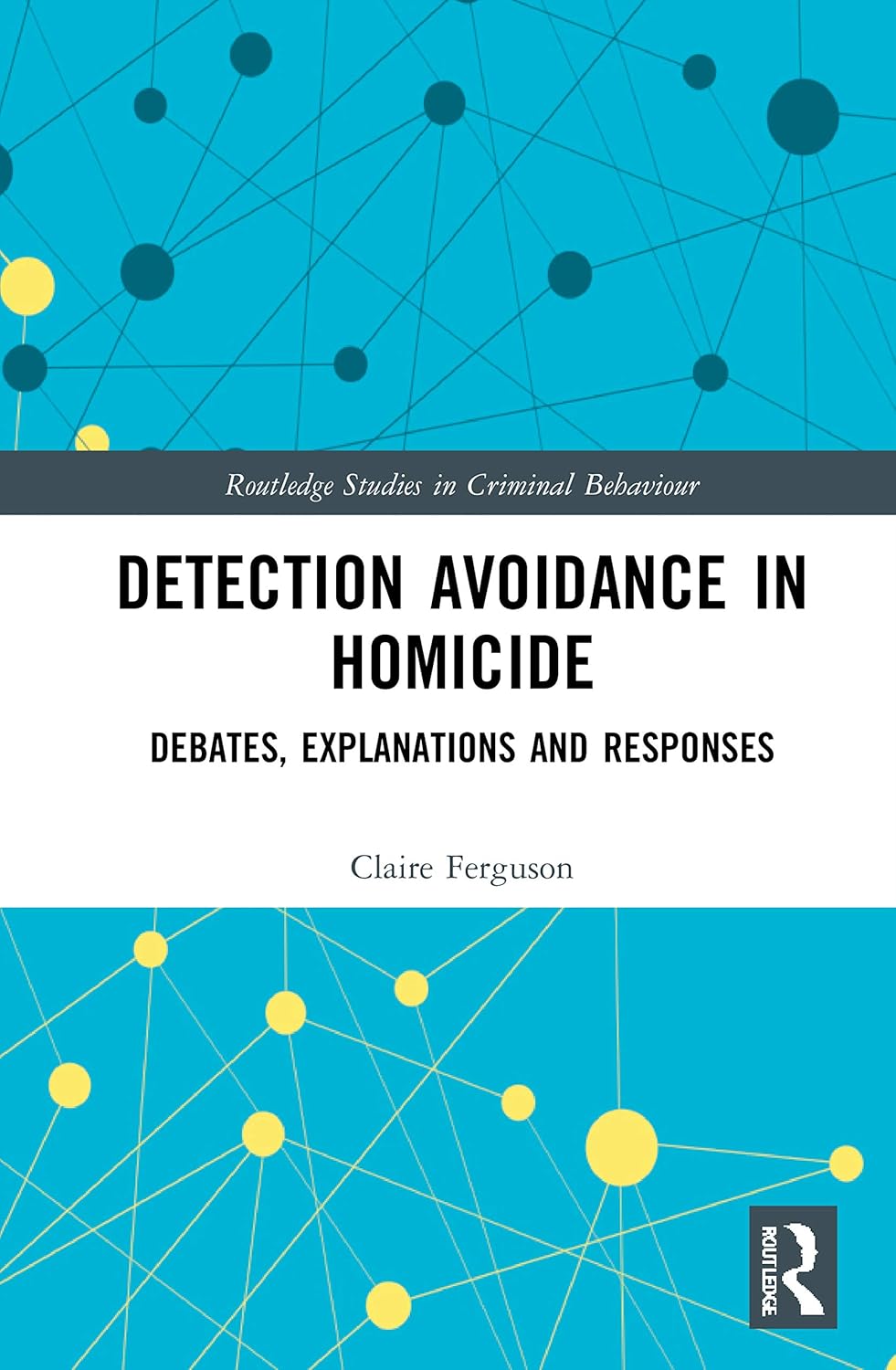
In this review of Detection Avoidance in Homicides: Debates, Explanations and Responses the author examines how offenders deliberately frustrate investigations and why those behaviors matter to practitioners and researchers. This book is for forensic psychologists, homicide investigators and advanced students who want a focused, theory-driven account of detection avoidance rather than a how-to manual. The single biggest reason to read it is its sustained critique of existing frameworks and the call for collaboration between researchers and practitioners to address the complex, multifaceted reality of detection avoidance.
Key Features
- Theoretical history: Presents a continuing history of research that clarifies how detection avoidance has been conceptualized over time and why earlier models fall short.
- Case-focused discussion: Discusses features of complex death investigations to show how avoidance behaviors complicate evidence interpretation and investigative strategy.
- Critical perspective: Critiques current frameworks used for conceptualizing detection avoidance, prompting readers to re-evaluate assumptions used in their work.
- Applied collaboration: Argues for collaboration between researchers and practitioners to reduce siloing and improve investigative responses to avoidance tactics.
- Nuanced framing: Explores detection avoidance in homicides as complex and multifaceted, which helps readers appreciate variability across cases.
Who It's For
This book best serves forensic psychologists, academic researchers in criminal behaviour, and experienced homicide investigators seeking a scholarly, critical treatment of offender evasion rather than a procedural guide. It is especially useful for those who want to integrate research findings into investigative policy and training.
Readers looking for a practical field manual, step-by-step investigative checklists, or introductory textbooks for undergraduates should look elsewhere; the book assumes familiarity with forensic and investigative concepts and focuses on debates and conceptual clarity.
Pros & Cons
Pros
- Well-grounded scholarly review that situates detection avoidance within a continuing research tradition.
- Clear critique of existing frameworks that encourages methodological and practical improvements.
- Promotes useful cross-disciplinary collaboration between researchers and practitioners.
Cons
- Not a practical how-to guide, so those needing operational investigative tools may be disappointed.
Specifications
| Title | Detection Avoidance in Homicides: Debates, Explanations and Responses |
| Author | Claire Ferguson |
| Focus | Detection avoidance behaviors in homicide investigations |
| Approach | Theory, research review, and critique of frameworks |
| Audience | Researchers, forensic psychologists, homicide investigators |
| Key theme | Collaboration between researchers and practitioners |
Our Verdict
Detection Avoidance in Homicides is a valuable, research-focused contribution for forensic professionals and academics who want a critical framework and historical perspective on offender evasion. It is good value for those aiming to improve investigative theory and policy, though practitioners seeking tactical guidance should supplement it with operational resources.
Frequently Asked Questions
Is this book practical for frontline investigators?
It is primarily theoretical and critical; frontline investigators will find useful concepts but limited operational checklists.
Does the author recommend solutions?
The book argues for collaboration between researchers and practitioners as a primary way to address gaps, rather than offering simple solutions.
Who benefits most from reading this work?
Forensic psychologists, academics and investigators interested in conceptual clarity and research-informed policy will benefit most.
Editor's Take
Detection Avoidance in Homicides is a research-focused, critical examination of offender evasion that is valuable for forensic psychologists, academics and investigators seeking conceptual clarity and improved investigative policy.

Recently viewed
Recently viewed products will appear here as customers browse the store.