

Development and Manufacture of Protein Pharmaceuticals - Practical
Development and Manufacture of Protein Pharmaceuticals - Practical
Price subject to change. Tap below for current.
Couldn't load pickup availability
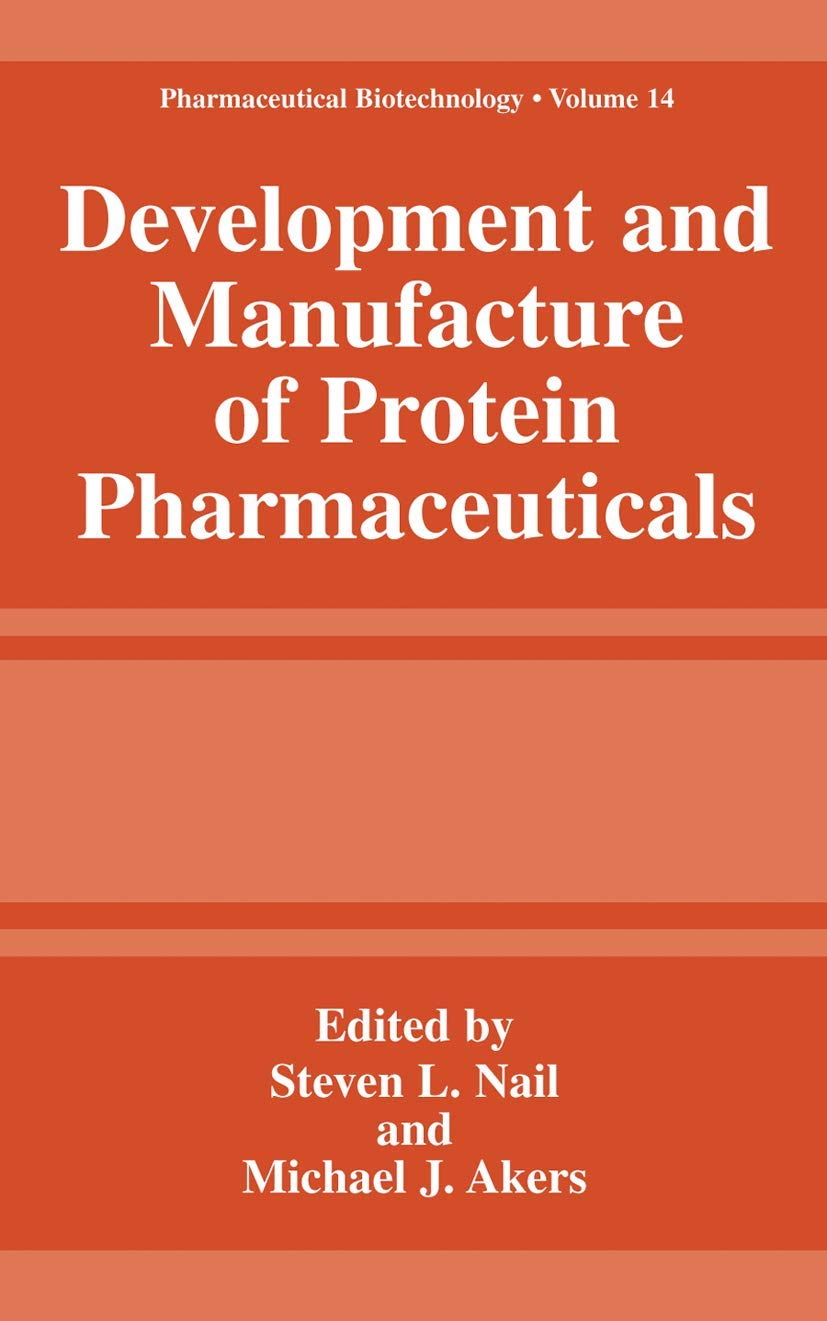
In this review of Development and Manufacture of Protein Pharmaceuticals the focus is on practicality for the pharmaceutical development scientist. The book aims to bridge laboratory research and commercialization, and the single biggest reason to buy is its targeted coverage of formulation and dosage form activities that occur once biopharmaceutical molecules move toward clinical trials. The tone is technical and applied, making this review useful for readers who need guidance on converting active biopharmaceutical molecules into finished products rather than basic molecular biology theory.
Key Features
- Practical formulation focus: Explains the steps needed to formulate active biopharmaceutical molecules into finished dosage forms suitable for clinical use and later commercialization.
- Industry-oriented perspective: Emphasizes activities that development scientists and manufacturing staff must address while research continues on candidate molecules.
- Bridges lab and clinic: Describes the transition from recombinant DNA and protein chemistry fundamentals to real-world product development tasks.
- Regulatory and commercialization context: Provides context for the non-research activities that support bringing a biopharmaceutical to market, helpful for cross-functional teams.
- Reference for production planning: Useful when planning formulation workstreams and coordinating with clinical trial preparation.
Who It's For
This book is best suited for pharmaceutical development scientists, formulation chemists, process development engineers, and project managers who are directly involved in taking biopharmaceutical molecules from candidate selection into clinical trial-ready dosage forms. It is a practical companion for professionals who already understand basic recombinant DNA technology and protein chemistry and need applied guidance on downstream development.
Readers looking for an introductory textbook on molecular biology, general protein chemistry theory, or basic laboratory protocols should look elsewhere; the text assumes familiarity with core biotechnology concepts and concentrates on the practical steps required for formulation and commercialization.
Pros & Cons
Pros
- Focused coverage on formulation and dosage form development that fills a gap between research and commercialization.
- Practical orientation makes it directly applicable to development teams planning clinical supplies and scale-up activities.
- Helpful framing of non-research tasks, such as coordination of manufacturing and regulatory preparation.
Cons
- Not a primer on recombinant DNA or basic protein chemistry, so newcomers may find it assumes prior technical knowledge.
Specifications
| Title | Development and Manufacture of Protein Pharmaceuticals |
| Subject | Pharmaceutical Biotechnology |
| Authors | Steve L. Nail, Michael J. Akers |
| Intended audience | Pharmaceutical development scientists and manufacturing personnel |
| Primary focus | Formulation and commercialization of biopharmaceuticals |
| Coverage | Transition from candidate molecules to finished dosage forms |
Our Verdict
Development and Manufacture of Protein Pharmaceuticals is a worthwhile, applied resource for professionals engaged in formulation and commercialization of biopharmaceuticals. It offers practical discussion of the non-research activities needed to prepare clinical supplies and finished dosage forms, making it good value for development scientists and project teams who need a bridge between laboratory discovery and market-ready products.
Frequently Asked Questions
Does this book teach basic molecular biology?
No. It assumes a foundation in recombinant DNA and protein chemistry and concentrates on downstream formulation and commercialization.
Who benefits most from reading it?
Pharmaceutical development scientists, formulation specialists, and manufacturing staff who coordinate clinical trial product preparation will gain the most practical value.
Is it useful for regulatory planning?
Yes. The book discusses activities that support regulatory and commercialization efforts, useful for teams preparing clinical and market submissions.
Editor's Take
Development and Manufacture of Protein Pharmaceuticals is a practical, industry-focused guide for development scientists and formulation teams, providing applied coverage of steps to convert biopharmaceutical candidates into clinical and commercial dosage forms.

Recently viewed
Recently viewed products will appear here as customers browse the store.