

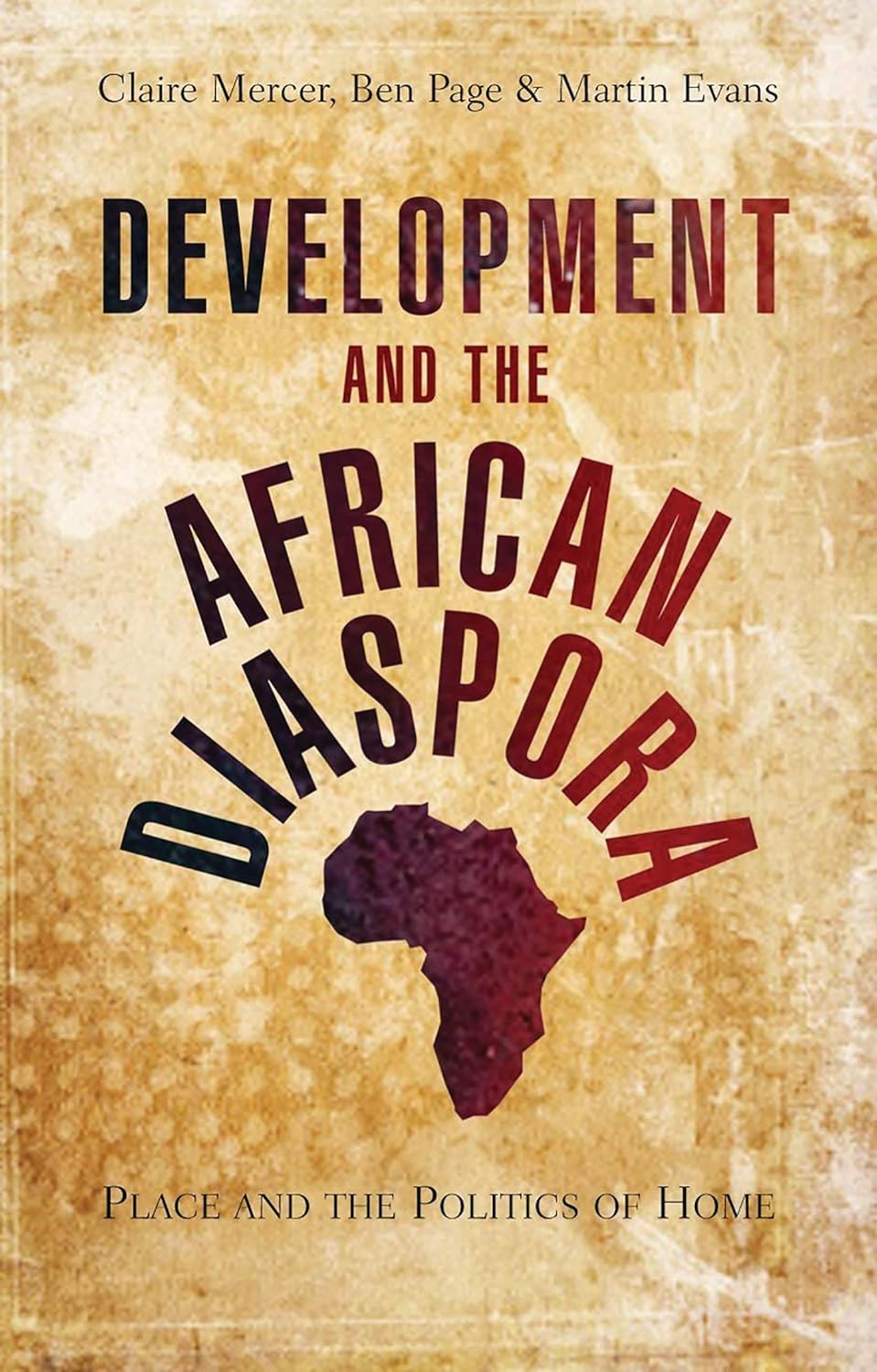
Development and the African Diaspora: Place and the Politics of Home
Development and the African Diaspora: Place and the Politics of Home
Price subject to change. Tap below for current.
Couldn't load pickup availability
In this review of Development and the African Diaspora: Place and the Politics of Home, the reviewer examines a focused academic study that will matter most to researchers and students of migration and development. The book's single biggest reason to read it is its clear attention to how diasporic "home associations" translate remittances and volunteer effort into local projects, offering a careful empirical look at networks that now rival official aid. The analysis is compact and grounded in case studies from Cameroon and Tanzania, making it a useful review read for anyone tracing the link between migrant capital and social change.
Key Features
- Empirical case studies: Detailed examinations of Cameroon and Tanzania provide concrete examples of how diasporic networks operate in different local contexts.
- Focus on home associations: The book isolates the role of organized migrant groups and explains how they turn resources into development initiatives.
- Policy relevance: By comparing the flow of migrants' resources with official development assistance, the text clarifies implications for development policy debates.
- Social and political analysis: The authors probe the unclear relationship between capital flows and social change, offering frameworks useful for further research.
- Interdisciplinary approach: The book draws on political sociology and migration studies to situate diaspora activity within broader civil society discussions.
Who It's For
The book is best suited for graduate students, researchers and policy analysts interested in migration, development and African studies who need a focused examination of transnational migrant organizations. Its case-driven approach provides material that can inform both qualitative research and policy briefs.
Those looking for a broad handbook on diaspora finance, a practitioner guide for running remittance programs, or a primer for general readers may find it too narrowly academic; practitioners seeking step-by-step implementation tools should look elsewhere.
Pros & Cons
Pros
- Provides rigorous case evidence from Cameroon and Tanzania that illuminates how home associations mobilize resources.
- Clarifies a timely policy question by comparing migrants' resource flows with official development assistance.
- Offers useful conceptual links between civil society expansion and diasporic political claims.
Cons
- The book's academic tone and focused case studies may feel narrow for readers seeking broad comparative surveys or practical program guidance.
Specifications
| Title | Development and the African Diaspora: Place and the Politics of Home |
| Author / Brand | Claire Mercer |
| Main focus | Home associations and diasporic networks |
| Geographic cases | Cameroon; Tanzania |
| Subject areas | Migration studies; development policy; civil society |
| Analytical angle | Relationship between capital flows and social/political change |
Our Verdict
Development and the African Diaspora is a valuable, evidence-driven study for scholars and policy analysts who want a tighter understanding of how migrant networks mobilize resources and influence local development. Its focused casework and policy framing make it good value for those researching diasporic political economy, though readers seeking practical implementation guides will need supplemental materials.
Frequently Asked Questions
Does the book include empirical case studies?
Yes. The review highlights detailed work on Cameroon and Tanzania to show how home associations function.
Is this suitable for policy makers?
It is useful for policy analysts interested in the implications of diasporic resource flows, though it is more academic than prescriptive.
Will practitioners find implementation guidance?
The book offers analytical insight rather than step-by-step program manuals, so practitioners should complement it with practice-oriented resources.
Editor's Take
A focused, evidence-driven study ideal for researchers and policy analysts interested in how diasporic "home associations" mobilize resources and affect local development; strong on casework but not a practical implementation guide.

Recently viewed
Recently viewed products will appear here as customers browse the store.