

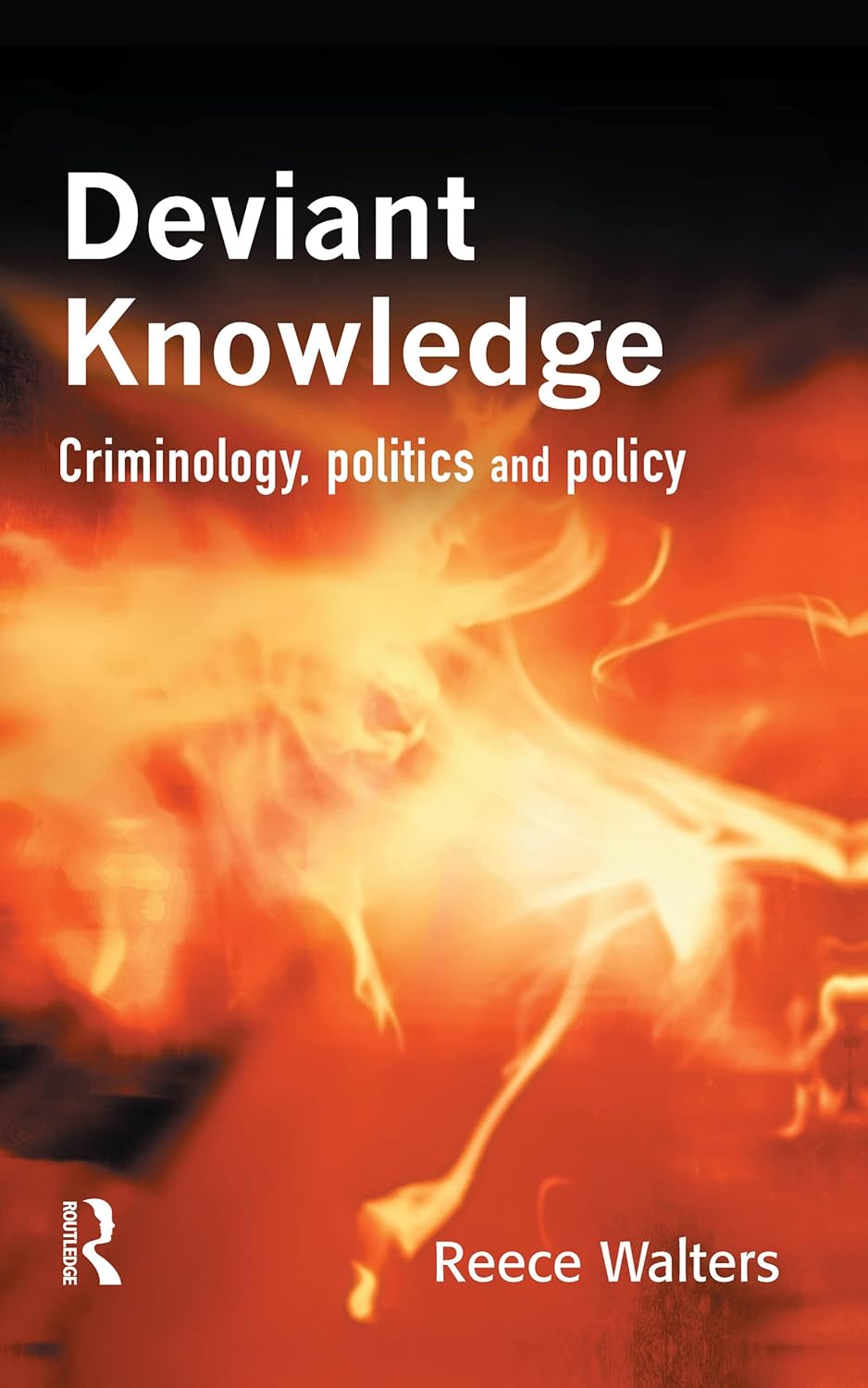
Deviant Knowledge: Criminology, Politics and Policy - Critical
Deviant Knowledge: Criminology, Politics and Policy - Critical
Price subject to change. Tap below for current.
Couldn't load pickup availability
In this review of Deviant Knowledge: Criminology, Politics and Policy, the bottom line is clear: this book is for readers who want a rigorous, politically informed account of how criminological knowledge is produced and contested. Reece Walters presents a sustained critique of the institutions and techniques that shape research agendas, arguing for what he calls knowledges of resistance. The narrative draws on material from Britain, Europe, Australia, New Zealand and the USA, and the book is most valuable to scholars, postgraduate students and practitioners interested in the intersection of criminology and political power.
Key Features
- Comparative coverage: Chapters use examples from multiple jurisdictions to show how governing authorities influence research agendas and produce different outcomes.
- Focus on research politics: The book provides a detailed overview of the political and practical elements of conducting criminological research, which is useful for researchers navigating institutional constraints.
- Critique of knowledge production: Walters examines methods of manipulation and suppression, giving readers concrete ways to recognise how findings may be shaped by power.
- Argument for resistance: The proposal of knowledges of resistance offers an explicit framework for preserving intellectual autonomy and critical independence in social research.
- Cross-disciplinary relevance: Material will resonate beyond criminology with anyone studying policy formation, governance and regulation in the social sciences.
Who It's For
This book is best suited to academics, postgraduate students and policy analysts who already have some grounding in criminology or social science research methods and are seeking a deeper understanding of how political forces shape knowledge. It is particularly useful for readers interested in critical approaches and the ethics of research under institutional pressure.
Readers seeking a basic textbook introduction to criminological theories or a handbook of methodological procedures without political critique may prefer other, more technical volumes. This is not a quick primer; it is a reflective, critical work aimed at readers comfortable with theoretical discussion.
Pros & Cons
Pros
- Clear comparative examples make the argument about institutional influence tangible across national contexts.
- The sustained focus on suppression and neutralisation techniques illuminates how dissent can be managed within research communities.
- The call for intellectual autonomy supplies practical and ethical ammunition for researchers committed to critical inquiry.
Cons
- The book assumes familiarity with criminological debates, so newcomers may find some chapters dense rather than introductory.
Specifications
| Title | Deviant Knowledge: Criminology, Politics and Policy |
| Author | Reece Walters |
| Scope | Politics of criminology and knowledge production |
| Geographic examples | Britain, Europe, Australia, New Zealand, USA |
| Primary theme | Knowledges of resistance and intellectual autonomy |
| Audience | Scholars, postgraduate students, policy analysts |
Our Verdict
Deviant Knowledge is a thoughtful and provocative contribution to critical criminology that succeeds in linking institutional power to the production of research. Those engaged in scholarly research or policy work will find its comparative examples and its defence of critical independence worthwhile, making it a strong value for readers seeking to understand and resist the politicisation of knowledge.
Frequently Asked Questions
Does this book cover multiple countries?
Yes. The author draws on material from Britain, Europe, Australia, New Zealand and the USA to make comparative points.
Is it suitable for beginners?
It is best for readers with some background in criminology or social research, as the book leans toward critical and theoretical discussion rather than introductory overviews.
What is the central argument?
Walters argues for knowledges of resistance, urging intellectual autonomy against regulatory and governing pressures that shape research agendas.
Editor's Take
Deviant Knowledge is a thoughtful critique of how political forces shape criminological research; recommended for scholars and postgraduate students seeking a comparative, critical perspective and guidance on defending intellectual autonomy.

Recently viewed
Recently viewed products will appear here as customers browse the store.