

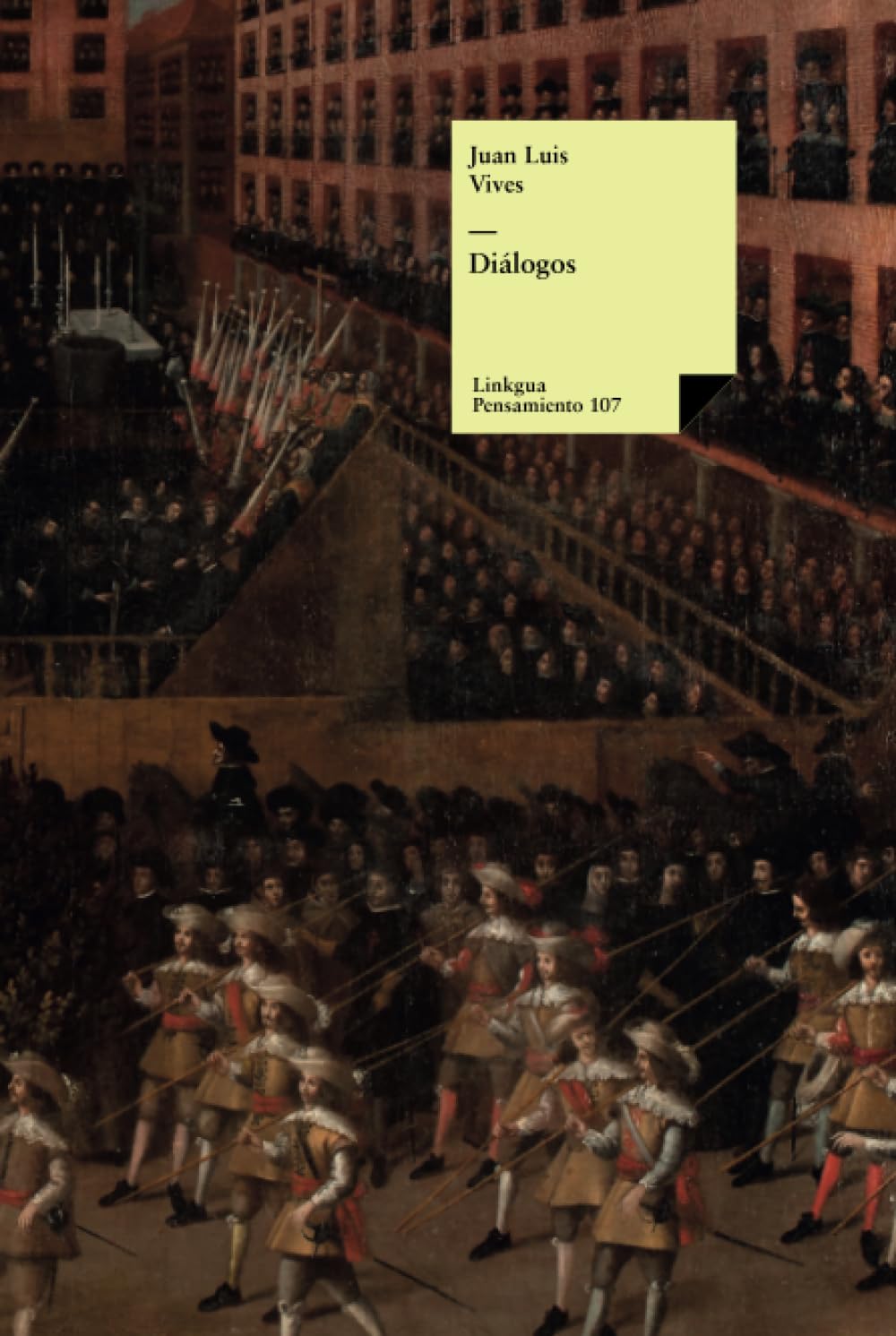
Dialogos (Pensamiento) (Spanish Edition) - Classical Educational
Dialogos (Pensamiento) (Spanish Edition) - Classical Educational
Price subject to change. Tap below for current.
Couldn't load pickup availability
Our review of Dialogos (Pensamiento) (Spanish Edition) finds it most valuable for readers interested in classical Spanish thought and historical approaches to education. Written by Luis Vives and presented as brief, instructive conversations, this edition aims to illuminate moral instruction, social observation and language learning for a young readership; the single biggest reason to buy is its first-hand perspective on 16th century educational aims and etiquette, preserved in clear Spanish and dedicated to Prince Felipe as a pedagogical model.
Key Features
- Concise conversational format: Short dialogues make complex moral and social ideas accessible and suitable for study or guided reading sessions.
- Educational intent: The work was written to instruct a young prince in moral conduct, so it focuses on practical virtues and customary behavior relevant to historical education.
- Historical perspective: Readers gain insight into 16th century Spanish society and the expectations placed on future leaders, offering context for historical and cultural study.
- Language learning utility: The text was originally intended to aid knowledge of Latin and Spanish learning habits, making it useful for scholars of historical pedagogy and language.
- Authoritative provenance: Attributed to Joan Lluis Vives, the dialogues carry weight as a primary source in early modern educational thought.
- Dedicated framing: The direct address to Prince Felipe provides a clear literary and didactic frame that helps readers understand the book's purpose and audience.
Who It's For
Dialogos (Pensamiento) suits students of literature, educators exploring historical pedagogy, and readers of Spanish language classics who appreciate preserved voice and intent from a formative period of European thought. It is also well suited to cultural historians who want a compact primary text reflecting moral instruction in the Renaissance era.
Those seeking modern instructional manuals, contemporary language primers, or a heavily annotated academic edition with modern commentary may want to look elsewhere; this edition is most valuable to readers comfortable with older Spanish phrasing and interested in original-period perspective rather than a modern rewrite.
Pros & Cons
Pros
- Provides a focused collection of short dialogues that clarify moral and social instruction in a historical context.
- Offers direct insight into the pedagogical aims of Joan Lluis Vives as he addresses a future monarch.
- Useful for study in literature, history, and comparative education because of its original didactic purpose.
Cons
- Language and references reflect the 16th century and may require supplemental historical notes for modern readers.
Specifications
| Title | Dialogos (Pensamiento) (Spanish Edition) |
| Author | Joan Lluis Vives |
| Dedicated to | Prince Felipe (future Felipe II) |
| Primary focus | Educational and moral instruction |
| Format | Collection of brief dialogues |
| Language | Spanish (original period phrasing) |
| Intended audience | Young learners and pedagogical study |
Our Verdict
Dialogos (Pensamiento) is a concise, historically rich collection that rewards readers interested in classical educational theory and Spanish Renaissance culture. For literature students, historians and educators curious about early modern pedagogy, it offers clear value as a primary text; those needing modernized language or extensive commentary should supplement this edition with annotated resources.
Frequently Asked Questions
Is this edition in Spanish?
Yes, the text is presented in Spanish and retains language consistent with its original period.
What is the main purpose of these dialogues?
The dialogues were written to instruct a young prince in moral conduct, good customs and social knowledge appropriate to his future role.
Who wrote Dialogos and why is it important?
Joan Lluis Vives authored the dialogues; they are important as a primary source on 16th century educational aims and social expectations in Spain.
Editor's Take
Dialogos (Pensamiento) is a concise, historically rich collection offering valuable insight into 16th century educational theory and moral instruction, ideal for literature students and historians.

Recently viewed
Recently viewed products will appear here as customers browse the store.