

Dictionary of Early English - Essential Midcentury Reference
Dictionary of Early English - Essential Midcentury Reference
Price subject to change. Tap below for current.
Couldn't load pickup availability
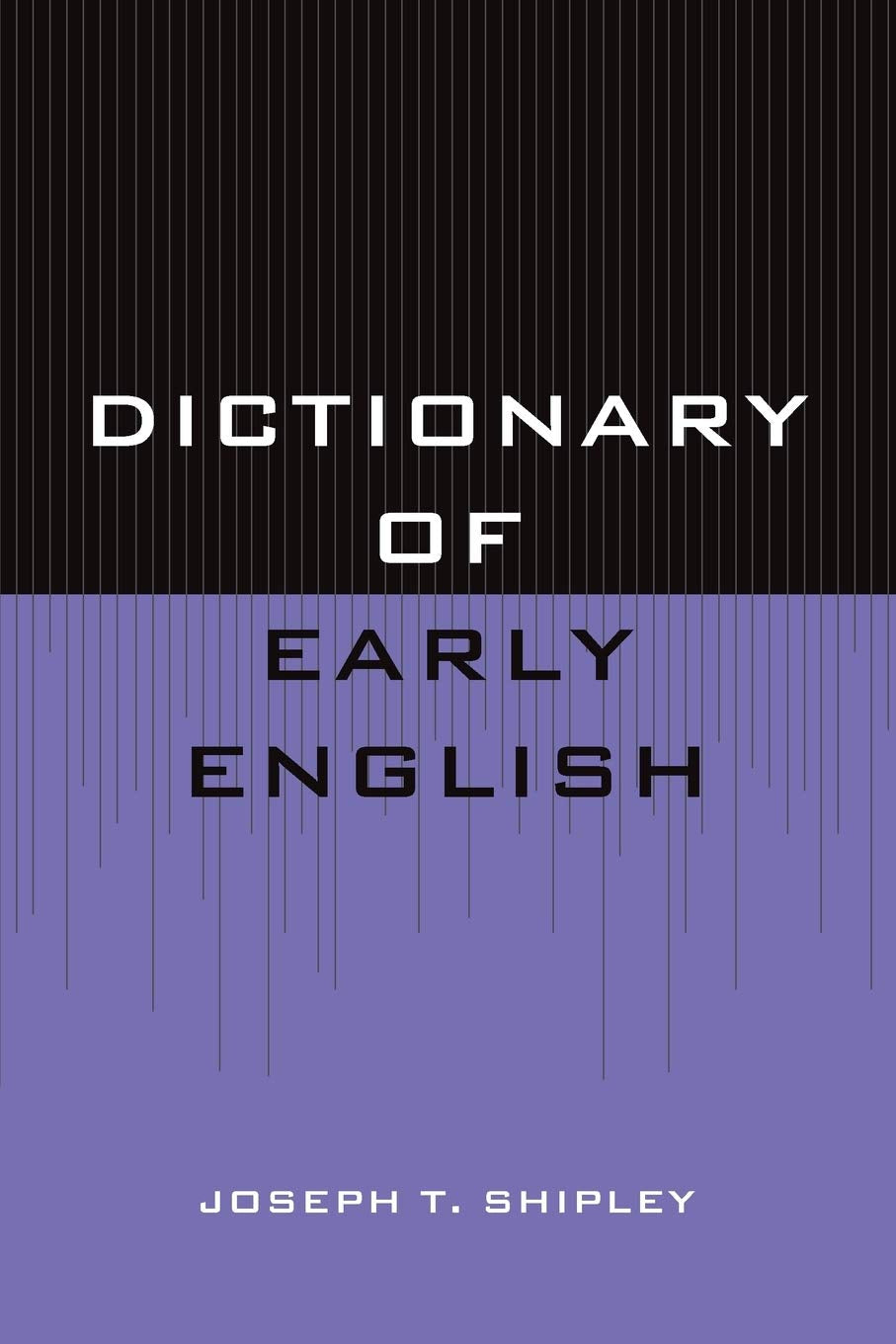
In this review the Dictionary of Early English is presented as a focused reference tool for scholars, students, and serious readers of English history who need a concise midcentury compendium. Joseph T. Shipley's volume stands out for its extensive headword list and scholarly framing, making it most useful as a quick-reference companion to deeper etymological research. The book is not a modern corpus or searchable database, but for those seeking a compact, authoritative midcentury perspective on early English vocabulary, this edition offers clarity and useful context.
Key Features
- Extensive headword list: Provides a broad sampling of early English terms to locate and compare historical usages quickly.
- Scholarly preface: The preface by Mark Van Doren situates the work in a literary and academic context, helping readers understand the editor's approach.
- Midcentury perspective: Reflects the lexicographical standards and research available at the time, useful for historical comparison with later dictionaries.
- Compact reference format: Designed as a single-volume tool that is easy to browse on a desk while studying primary texts.
- Author expertise: Joseph T. Shipley's background in dictionaries and anthologies informs concise, informed headword selection and commentary.
Who It's For
The Dictionary of Early English is best for literature students, historians of the English language, and librarians who need a reliable midcentury reference that supports textual study and classroom preparation. It works well as a supplement to larger historical dictionaries when a quick look-up or context check is required.
Researchers who require comprehensive modern etymologies, searchable digital access, or exhaustive citations should look elsewhere; this volume is a curated, midcentury reference rather than a full historical dictionary or an online corpus resource.
Pros & Cons
Pros
- Concise compilation of headwords that saves time during close reading of older texts.
- Prefatory material by Mark Van Doren adds useful perspective for literary readers.
- Authored and edited by an experienced lexicographer, giving the work credible provenance.
Cons
- Not a modern, comprehensive historical dictionary and lacks searchable digital features.
Specifications
| Title | Dictionary of Early English (Midcentury Reference Library) |
| Author | Joseph T. Shipley |
| Preface | Mark Van Doren |
| Format | Single-volume reference |
| Focus | Headword list and midcentury overview of early English terms |
| Intended use | Reference for students and scholars |
Our Verdict
The Dictionary of Early English is a valuable midcentury reference for readers who need a compact, authoritative collection of early English headwords and contextual notes. It is good value as a desk reference alongside larger historical dictionaries, but researchers seeking exhaustive modern etymology or digital searchability should supplement it with newer resources.
Frequently Asked Questions
Does this book include a modern etymology for each word?
The volume provides midcentury lexical entries and context rather than exhaustive modern etymologies found in later historical dictionaries.
Is the preface by Mark Van Doren scholarly or introductory?
The preface offers literary and scholarly perspective that frames Shipley's editorial approach and helps readers interpret the entries.
Who edited and compiled the headwords?
Joseph T. Shipley compiled and edited the dictionary, drawing on his background in lexicography and anthologies.
Editor's Take
The Dictionary of Early English is a compact, midcentury reference offering extensive headwords and a scholarly preface, ideal as a desk companion for students and scholars though not a modern exhaustive etymological resource.

Recently viewed
Recently viewed products will appear here as customers browse the store.