

Digital and Discrete Geometry: Theory and Algorithms - Modern methods
Digital and Discrete Geometry: Theory and Algorithms - Modern methods
Price subject to change. Tap below for current.
Couldn't load pickup availability
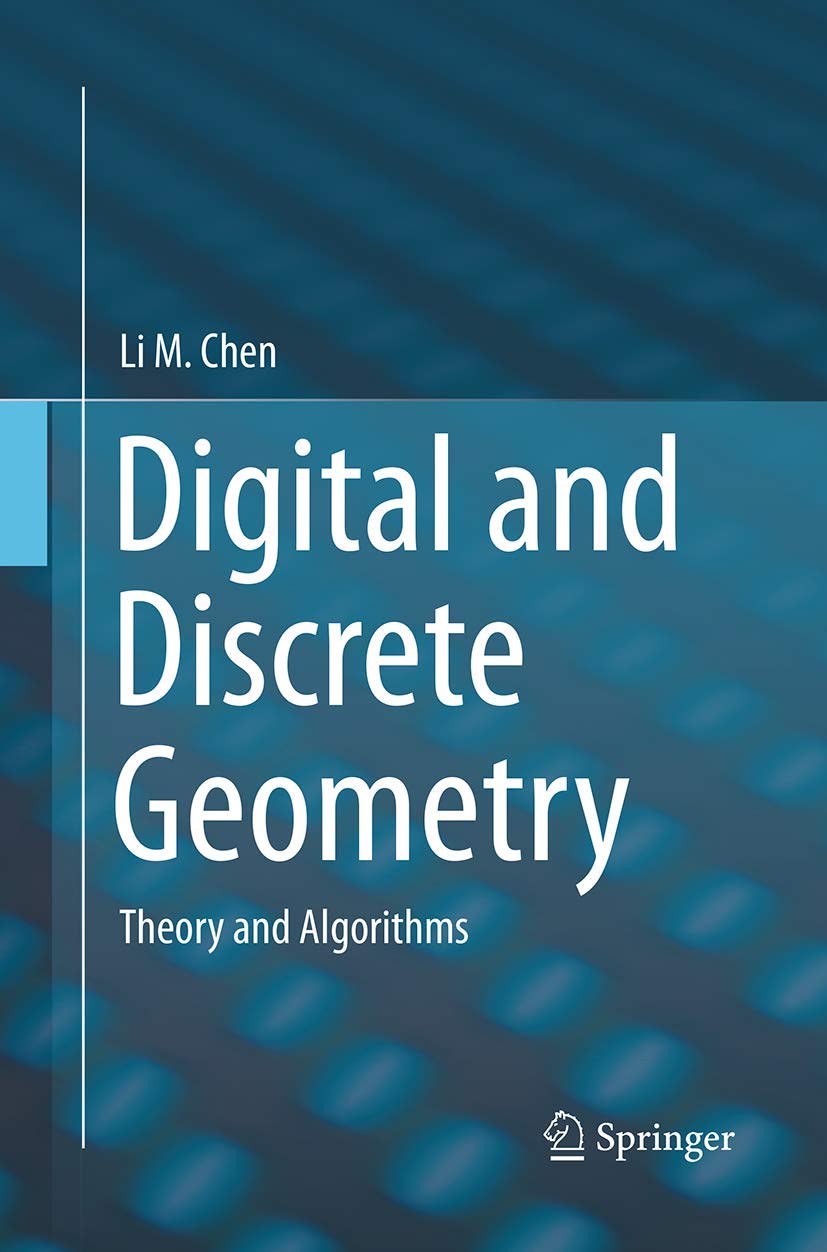
In this review of Digital and Discrete Geometry: Theory and Algorithms the bottom line is clear: this is a methodical, research-oriented textbook for readers who need rigorous, algorithmic treatments of geometry for computing. The book is best for graduate students, researchers and engineers who work on geometric processing, manifold learning or discrete representations because it consolidates constructive methods, digital geometry foundations and concrete algorithms in one place. The review highlights thorough coverage of both foundational topics and cross-disciplinary applications in image processing and computer vision.
Key Features
- Comprehensive coverage: The book presents a full tour from basic geometry to advanced topics so readers can follow modern methods used in computing sciences.
- Digital curves and surfaces: Detailed sections on digital curves, surfaces and manifolds explain discrete representations and practical algorithms for processing.
- Algorithm focus: Concrete algorithms and constructive methods are provided so practitioners can apply theory to implementable solutions.
- Cross-disciplinary applications: Chapters link geometric methods to image processing, computer vision and computer graphics for real-world relevance.
- Data science connections: Coverage of manifold learning, R-tree structures and cloud data shows how geometric ideas scale to BigData and wireless networks.
Who It's For
Graduate students and researchers in computer science, computational geometry or machine learning will find the book most valuable because it combines theoretical depth with algorithmic detail. Practitioners building systems that require discrete geometric processing, such as 3D reconstruction, image analysis or spatial indexing, will appreciate the explicit methods and references.
Readers looking for an introductory, hand-holding textbook or a short tutorial on applied machine learning should look elsewhere, since this volume emphasizes theory and constructive algorithms over gentle introductions and does not serve as a broad primer for general data science beginners.
Pros & Cons
Pros
- Thorough presentation of both digital and discrete geometry fundamentals supports advanced study and research.
- Practical algorithms and constructive methods make the material useful for implementers, not just theorists.
- Explicit links to applications in image processing, computer vision and cloud data help connect theory to practice.
Cons
- The book is dense and assumes background knowledge, so it can be challenging for readers without prior geometry or topology experience.
Specifications
| Title | Digital and Discrete Geometry: Theory and Algorithms |
| Author | Li M. Chen |
| Coverage | Basic geometry, digital curves, surfaces, manifolds, discretely represented objects |
| Topics included | Geometric computation, processing, manifold learning, R-tree and cloud data |
| Applications | Image processing, computer vision, computer graphics, algebraic topology |
| Intended audience | Researchers, graduate students, engineers in computing sciences |
Our Verdict
Digital and Discrete Geometry is a solid, research-minded textbook that earns a recommendation for anyone needing algorithmic foundations and discrete methods in geometric computing. It delivers substantial value for specialists and implementers who want to bridge theory and application, though newcomers should be prepared for a steep learning curve.
Frequently Asked Questions
Does this book include practical algorithms?
Yes. The author investigates constructive methods and presents detailed algorithms suitable for implementation in geometric processing tasks.
Is it suitable for beginners?
The book assumes prior knowledge in geometry or topology and is better suited to graduate-level readers rather than complete beginners.
What application areas does it cover?
It covers image processing, computer vision, computer graphics, manifold learning, cloud data and spatial indexing like R-tree for networked data.
Editor's Take
Digital and Discrete Geometry is a research-oriented, algorithm-rich textbook that offers rigorous methods and practical algorithms for researchers and engineers in geometric computing, though it can be dense for beginners.

Recently viewed
Recently viewed products will appear here as customers browse the store.