

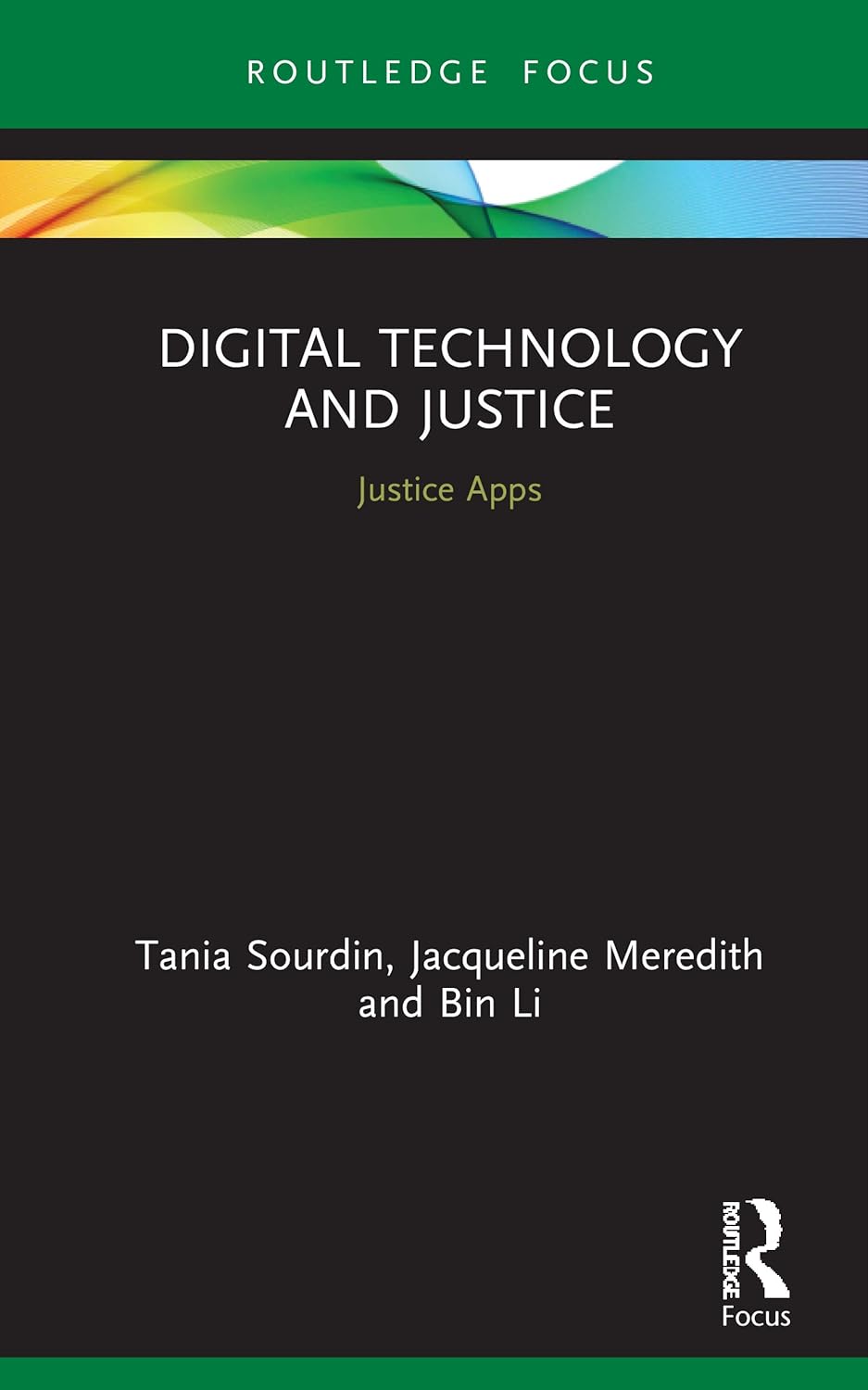
Digital Technology and Justice - Practical of Justice Apps
Digital Technology and Justice - Practical of Justice Apps
Price subject to change. Tap below for current.
Couldn't load pickup availability
In this review of Digital Technology and Justice, the authors survey how mobile and web-based programmes are changing access to legal services and the justice system. This book is for legal professionals, policy makers, and technologists who want a reasoned assessment of how justice apps operate, and for students seeking an informed overview of current debates. The single biggest reason to read it is its balanced focus on both the potential of digital tools to demystify law and the concrete challenges - especially privacy, security, and accessibility - that accompany their use.
Key Features
- Comprehensive survey: Maps the emergent industry of mobile and web-based justice programmes so readers can understand current offerings and development trends.
- AI discussion: Explores how artificial intelligence techniques are being used to automate and facilitate resolution of common legal disputes.
- Access to justice focus: Examines how apps could reshape the justice system and improve access for under-served populations.
- Risk analysis: Assesses privacy, security, and confidentiality risks that arise when legal tasks move into digital formats.
- Ethical perspective: Addresses the ethical concerns about potential dehumanisation of legal processes when mediated by technology.
- Practical lens: Highlights real-world constraints such as the digital divide and other accessibility issues affecting adoption.
Who It's For
The book is well suited to legal practitioners, technology designers, and policy makers who need an informed, critical overview of how technology intersects with justice. It provides context to guide decisions about deploying or regulating apps and AI in legal settings.
It is less appropriate for readers seeking step-by-step development instructions or highly technical AI algorithms; the emphasis is on industry landscape, ethical considerations, and policy implications rather than programming tutorials.
Pros & Cons
Pros
- Clear, survey-style coverage helps readers grasp the scale and direction of the justice apps industry.
- Balanced treatment of opportunities and risks gives a realistic view of what technology can and cannot achieve.
- Useful framing of accessibility and the digital divide encourages inclusive thinking in design and policy.
Cons
- Not a technical how-to manual, so developers seeking code-level detail may need supplemental resources.
Specifications
| Title | Digital Technology and Justice |
| Authors | Tania Sourdin, Jacqueline Meredith, Bin Li |
| Focus | Mobile and web-based justice programmes |
| Topics covered | AI in dispute resolution, privacy, accessibility, ethics |
| Audience | Legal professionals, policy makers, technologists |
| Approach | Industry survey and critical assessment |
Our Verdict
Digital Technology and Justice is a thoughtful, timely survey that is valuable for anyone evaluating the deployment or regulation of legal apps. Its balanced analysis of privacy and accessibility makes it particularly useful to policy makers and practitioners who need to weigh benefits against ethical and practical risks, offering good value as a strategic reference.
Frequently Asked Questions
Does the book explain how AI is used in legal apps?
Yes, it explores how artificial intelligence techniques are being used to facilitate resolution of common legal disputes and to support app functionality.
Is this a technical development guide?
No, the book surveys industry trends and ethical issues rather than offering programming tutorials or code examples.
Who will benefit most from reading it?
Legal professionals, policy makers, and technologists interested in the impact of digital tools on access to justice will get the most value.
Editor's Take
Digital Technology and Justice is a thoughtful survey for legal professionals and policy makers, offering a balanced assessment of how justice apps and AI can expand access while posing privacy and accessibility challenges.

Recently viewed
Recently viewed products will appear here as customers browse the store.