

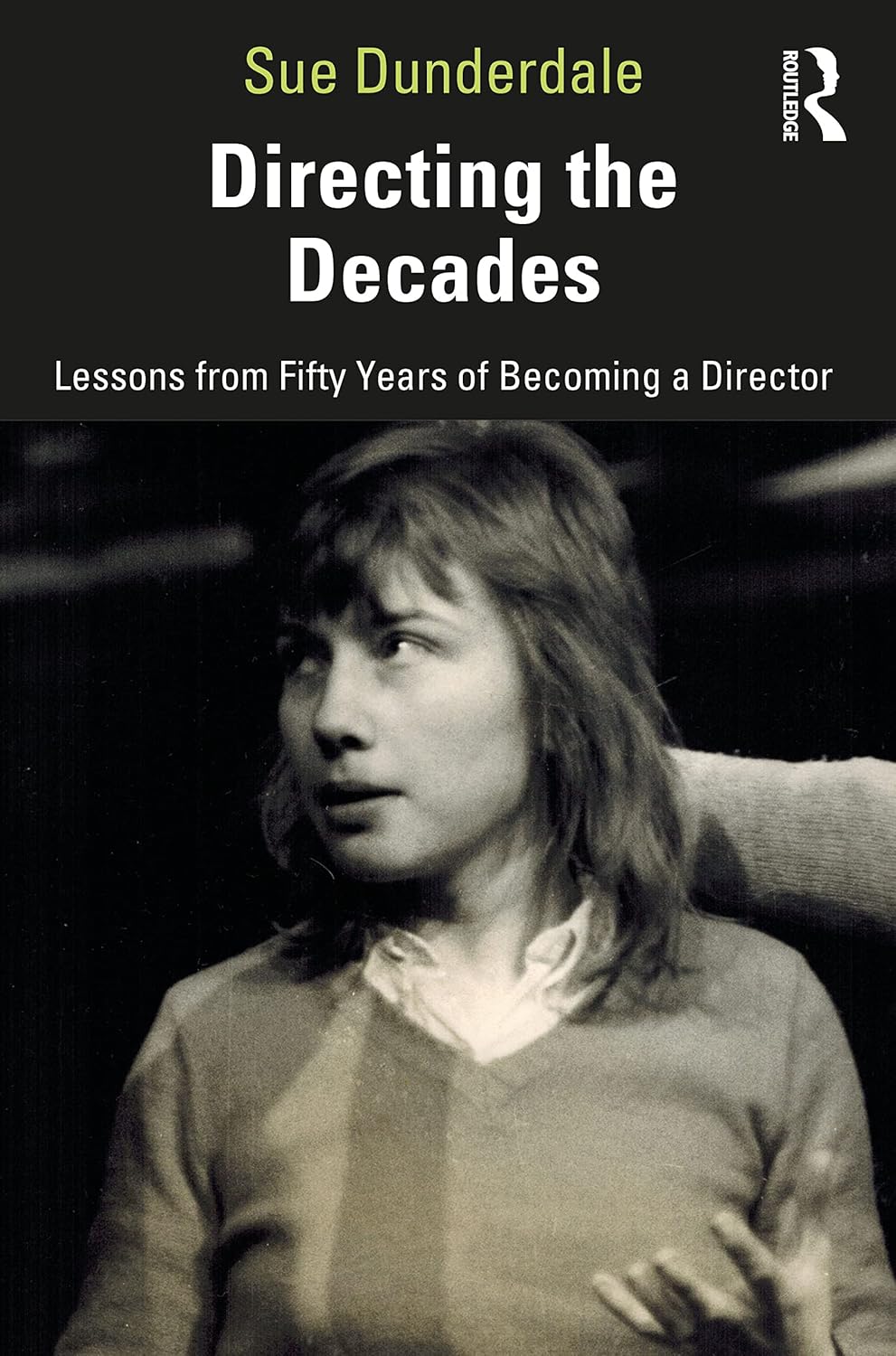
Directing the Decades - A Director's Practical History of UK Theatre
Directing the Decades - A Director's Practical History of UK Theatre
Price subject to change. Tap below for current.
Couldn't load pickup availability
In this review of Directing the Decades the reviewer finds a focused, practical examination of UK theatre from the 1950s to the present, framed through the career of a female director from a working-class background. The book's single biggest reason to buy is its combination of theatre history with hands-on directing methods: each decade's major developments are followed by specific exercises, rehearsal plans and camera layouts that make historical shifts immediately useful to practitioners. This is a review for readers who want history tied directly to craft.
Key Features
- Decade-by-decade history: The book traces the development of theatre in the UK from the 1950s onward, linking social and artistic change to productions and practices.
- Personal perspective: The author's progress as a female director from a working-class background provides a grounded narrative that illuminates institutional change.
- Directorial method chapters: Each historical chapter is followed by a method section explaining directorial influences and techniques prevalent in that decade.
- Practical rehearsal tools: Readers get concrete exercises and sample rehearsal plans that can be applied in training rooms and productions.
- Camera and staging plans: The inclusion of camera plans and stage approaches makes the book useful for directors working in both theatre and filmed performance.
- Combination of history and craft: The interweaving of theatre history with directing lessons helps readers understand why methods evolved as they did.
Who It's For
Directing the Decades is best suited to aspiring and practicing theatre directors, drama teachers, and advanced students of performing arts who want historical context paired with tangible directing techniques. The book is particularly valuable to those interested in UK theatre and the evolution of directing practices since the 1950s.
Readers looking solely for a textbook-style chronology without practical exercises or those seeking a broad global theatre survey may prefer other, more general histories. This work is strongest when used as a bridge between history and the practical demands of rehearsal rooms.
Pros & Cons
Pros
- Clear decade-based structure that makes historical change easy to follow and apply.
- Practical exercises and rehearsal plans that translate history into usable directing tools.
- An authentic personal viewpoint that highlights professional experience across changing decades.
Cons
- Focus is UK-centric and centered on the author's experience, so readers seeking a worldwide survey will find the scope limited.
Specifications
| Title | Directing the Decades |
| Author | Sue Dunderdale |
| Focus | Development of UK theatre from the 1950s to present |
| Perspective | Female director from a working-class background |
| Content mix | Theatre history plus practical directing methods and exercises |
| Practical material | Rehearsal plans, exercises and camera plans |
Our Verdict
Directing the Decades is a compact, useful resource for directors and teachers who want history they can use in rehearsal. Its greatest strength is the pairing of decade-specific theatre history with concrete directing techniques, making it a good value for practitioners who prefer applied guidance grounded in lived experience.
Frequently Asked Questions
Does this book include practical exercises?
Yes. It contains exercises, rehearsal plans and camera plans intended for use in rehearsal and training.
Is the book a general theatre history?
It is a history focused on the UK and on the development of directing, combined with the author's personal experience rather than a global survey.
Who wrote the book?
The book is written by Sue Dunderdale, a director who describes her working-class background and career across the decades.
Editor's Take
Directing the Decades pairs UK theatre history with practical directing techniques and rehearsal plans, making it a valuable, applied resource for directors and teachers who want history they can use.

Recently viewed
Recently viewed products will appear here as customers browse the store.