

Disaster Research: Multidisciplinary and International Perspectives
Disaster Research: Multidisciplinary and International Perspectives
Price subject to change. Tap below for current.
Couldn't load pickup availability
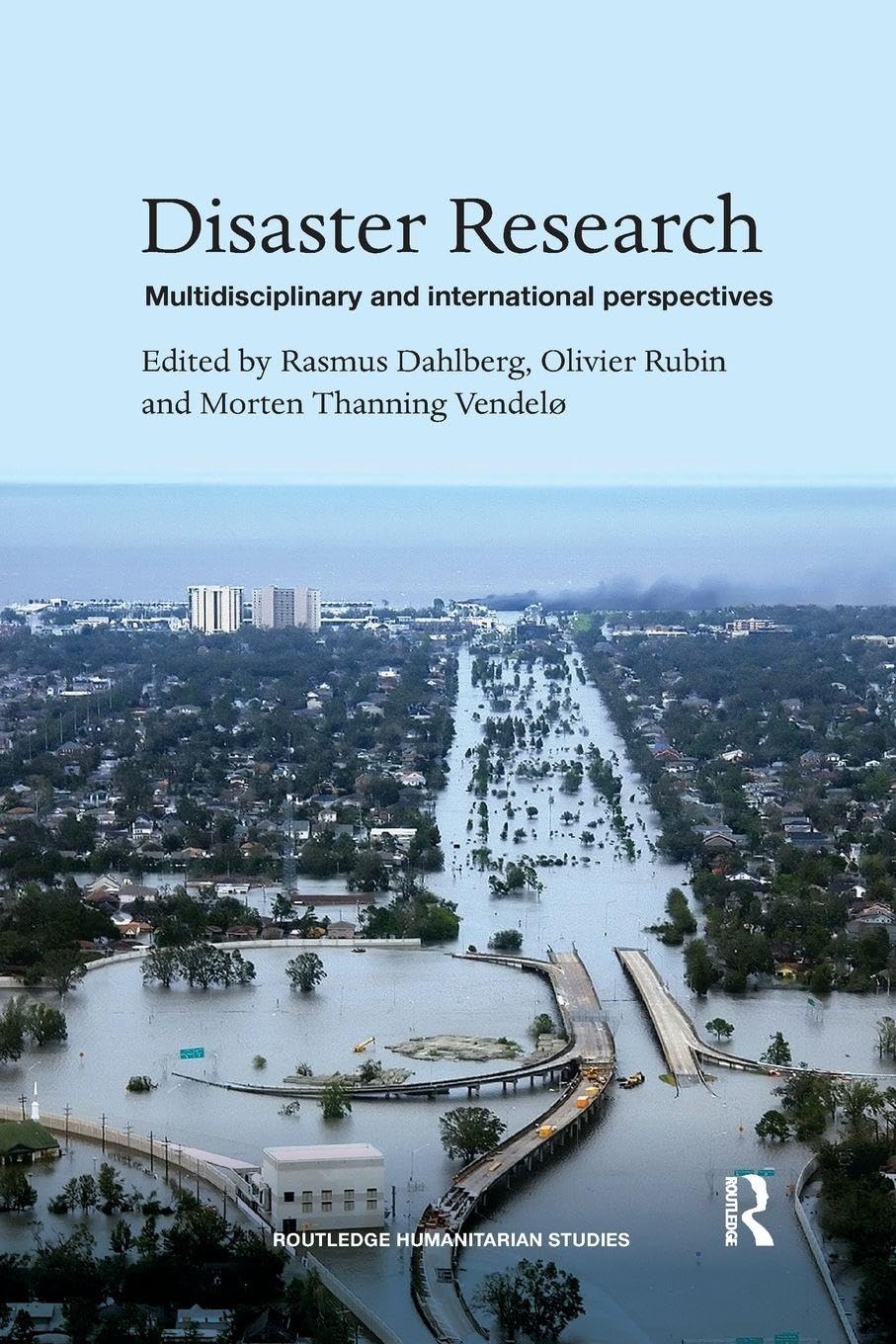
In this review of Disaster Research: Multidisciplinary and International Perspectives, the book is recommended for students, researchers, and practitioners seeking a broad, comparative understanding of disasters beyond single-discipline accounts. The single biggest reason to buy is its explicit effort to bring together distinct disciplinary lenses - from legal frameworks and historiography to political and anthropological approaches - that enable readers to compare methods and theory across contexts. This review finds the volume strongest as a teaching and reference text that encourages critical, crosscutting thinking about disasters.
Key Features
- Multidisciplinary structure: Chapters are organized around discrete academic approaches so readers can trace how different disciplines frame similar disaster phenomena.
- Theoretical and methodological focus: Each contribution discusses core theories and methods, helping scholars apply or adapt approaches in comparative research.
- Illustrative empirical cases: Empirical examples are used to ground abstract arguments and show how theory is tested in practice.
- Range of disciplines: Coverage includes law, historiography, politics and anthropology, providing a wider intellectual scope than many single-discipline texts.
- International perspective: The comparative orientation highlights global and cross-national lessons rather than focusing on one catastrophe or locality.
Who It's For
This book suits graduate students building a research toolkit, academics teaching courses on disasters or humanitarian studies, and policy analysts who need conceptual clarity across disciplines. Its chapter-based, discipline-anchored structure makes it easy to assign selective readings for seminars or to consult specific approaches.
Researchers seeking detailed practitioner checklists, step-by-step operational guidance, or a single-case in-depth narrative should look elsewhere, since the volume prioritizes theoretical framing, methodological reflection, and comparative examples over operational manuals or exhaustive case history.
Pros & Cons
Pros
- Strong comparative and multidisciplinary perspective that clarifies contrasts between disciplinary approaches.
- Useful for teaching because chapters can be assigned individually to highlight specific methods or theories.
- Empirical cases effectively illustrate methodological points and support theoretical claims.
Cons
- Not designed as an operational field guide, so readers seeking practical step-by-step procedures may find it limited.
Specifications
| Title | Disaster Research: Multidisciplinary and International Perspectives |
| Series | Routledge Humanitarian Studies |
| Editors / Authors | Rasmus Dahlberg, Olivier Rubin, Morten Thanning Vendel |
| Scope | Thematic chapters on law, historiography, politics, anthropology and related approaches |
| Approach | Theoretical, methodological and empirical case analysis |
| Audience | Graduate students, academics, policy analysts |
Our Verdict
Disaster Research is a valuable academic collection for those who need an integrated, comparative view of disaster studies; it delivers coherent, discipline-specific chapters that advance methodological thinking and offer empirical illustrations. For teaching and scholarly reference it represents good value, though practitioners seeking hands-on operational guidance should supplement it with field-focused manuals.
Frequently Asked Questions
Does this book cover practical disaster response procedures?
Answer. The book emphasizes theory, methods and comparative cases rather than step-by-step operational procedures.
Who edited and contributed to the volume?
Answer. The editors are Rasmus Dahlberg, Olivier Rubin and Morten Thanning Vendel, and chapters are written from varied disciplinary perspectives.
Is it suitable for undergraduate courses?
Answer. It is most appropriate for advanced undergraduates or graduate seminars where multidisciplinary and theoretical discussion is the focus.
Editor's Take
Disaster Research is a strong multidisciplinary collection that clarifies theoretical and methodological approaches across law, historiography, politics and anthropology, making it valuable for teaching and scholarly reference though not a practical field manual.

Recently viewed
Recently viewed products will appear here as customers browse the store.