

Disavowed Knowledge: Studies in Curriculum Theory - Scholarly Analysis
Disavowed Knowledge: Studies in Curriculum Theory - Scholarly Analysis
Price subject to change. Tap below for current.
Couldn't load pickup availability
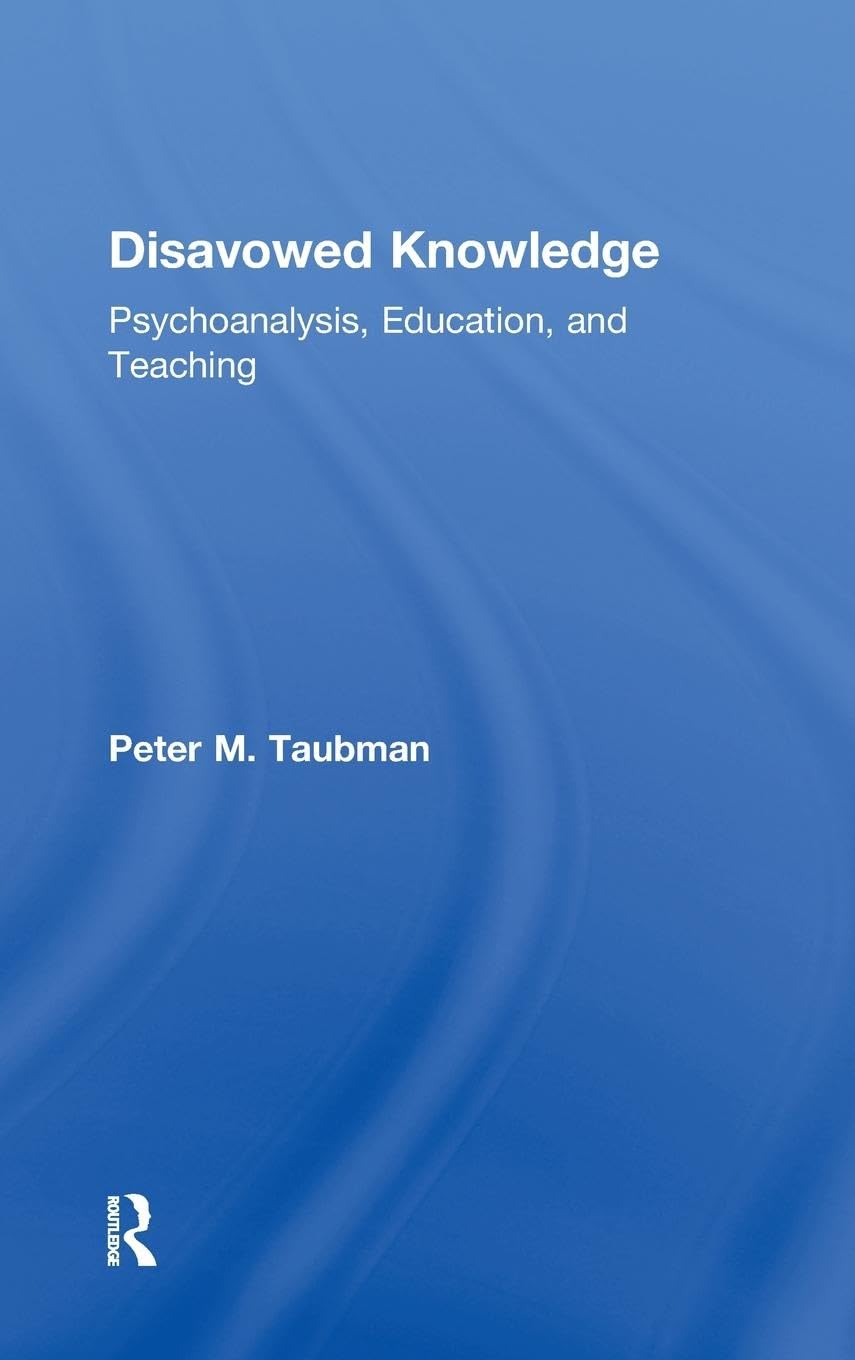
In this review of Disavowed Knowledge, Peter Maas Taubman offers a focused historical and psychoanalytic account aimed at readers who study curriculum history or the intersection of education and psychoanalysis. The book's single biggest reason to buy is its unique, research-based tracing of how psychoanalytic ideas shaped teaching and curriculum across a century, making it valuable for scholars seeking a document-based, theoretically informed perspective. The reviewer finds it strongest as a scholarly, archival-informed text rather than a practical teaching manual.
Key Features
- Comprehensive historical scope: Traces a century-long relationship between education and psychoanalysis, giving readers a wide chronological view of changing theories and projects.
- Primary source grounding: Relies on primary and secondary sources to anchor assertions and provide documentary context for key developments.
- Psychoanalytic perspective: Offers a psychoanalytically informed analysis that clarifies how unconscious dynamics and professional identities influenced educational ideas.
- Focus on disavowal: Uses the concept of disavowal to examine how knowledge was acknowledged or suppressed in both fields, sharpening interpretive claims.
- Periodization: Identifies three historical periods of waxing and waning medical/therapeutic and emancipatory projects, helping readers see patterns across decades.
Who It's For
Disavowed Knowledge is best suited to academics, graduate students, and researchers in education theory, curriculum studies, and educational psychology who want a historically informed, theoretically rich treatment of psychoanalytic influence on schooling. Its reliance on archival materials and analysis makes it particularly useful for literature reviews and theoretical seminars.
Practitioners seeking classroom strategies or an introductory overview without dense analysis should look elsewhere, since the book is scholarly in tone and assumes some familiarity with psychoanalytic and curriculum-theory vocabulary.
Pros & Cons
Pros
- Provides a rare, century-spanning history that fills a gap in scholarship on psychoanalysis and education.
- Grounding in primary sources strengthens the book's claims and makes it a solid reference for researchers.
- Thematic focus on disavowed knowledge offers a clear interpretive frame that ties diverse material together.
Cons
- Scholarly tone and depth mean it is less accessible to readers seeking practical teaching guidance.
Specifications
| Title | Disavowed Knowledge (Studies in Curriculum Theory Series) |
| Author | Peter Maas Taubman |
| Subject | History of education and psychoanalysis |
| Approach | Psychoanalytically informed historical analysis |
| Sources | Primary and secondary sources |
| Theoretical focus | Disavowal and effects of disavowed knowledge |
Our Verdict
Disavowed Knowledge is a worthwhile buy for scholars and graduate students who need a documented, theory-rich account of how psychoanalysis shaped curriculum and educational thought. Its archival grounding and focused concept of disavowal give it strong explanatory power, making it good value as a research resource even if it is not designed for classroom application.
Frequently Asked Questions
Does this book provide practical teaching methods?
Answer. No, the book is a historical and theoretical analysis and does not offer classroom lesson plans or direct instructional strategies.
What sources does the author use?
Answer. Taubman relies on a mix of primary and secondary sources to trace the historical relationship between psychoanalysis and education.
Who benefits most from reading this book?
Answer. Scholars, researchers, and graduate students in curriculum theory and educational psychology will gain the most from its detailed, psychoanalytic perspective.
Editor's Take
Disavowed Knowledge is a documented, theory-rich account of the century-long relationship between psychoanalysis and curriculum; it is best for scholars and graduate students seeking archival and theoretical insight.

Recently viewed
Recently viewed products will appear here as customers browse the store.