

Dismantling Contemporary Deficit Thinking - Critical Educator
Dismantling Contemporary Deficit Thinking - Critical Educator
Price subject to change. Tap below for current.
Couldn't load pickup availability
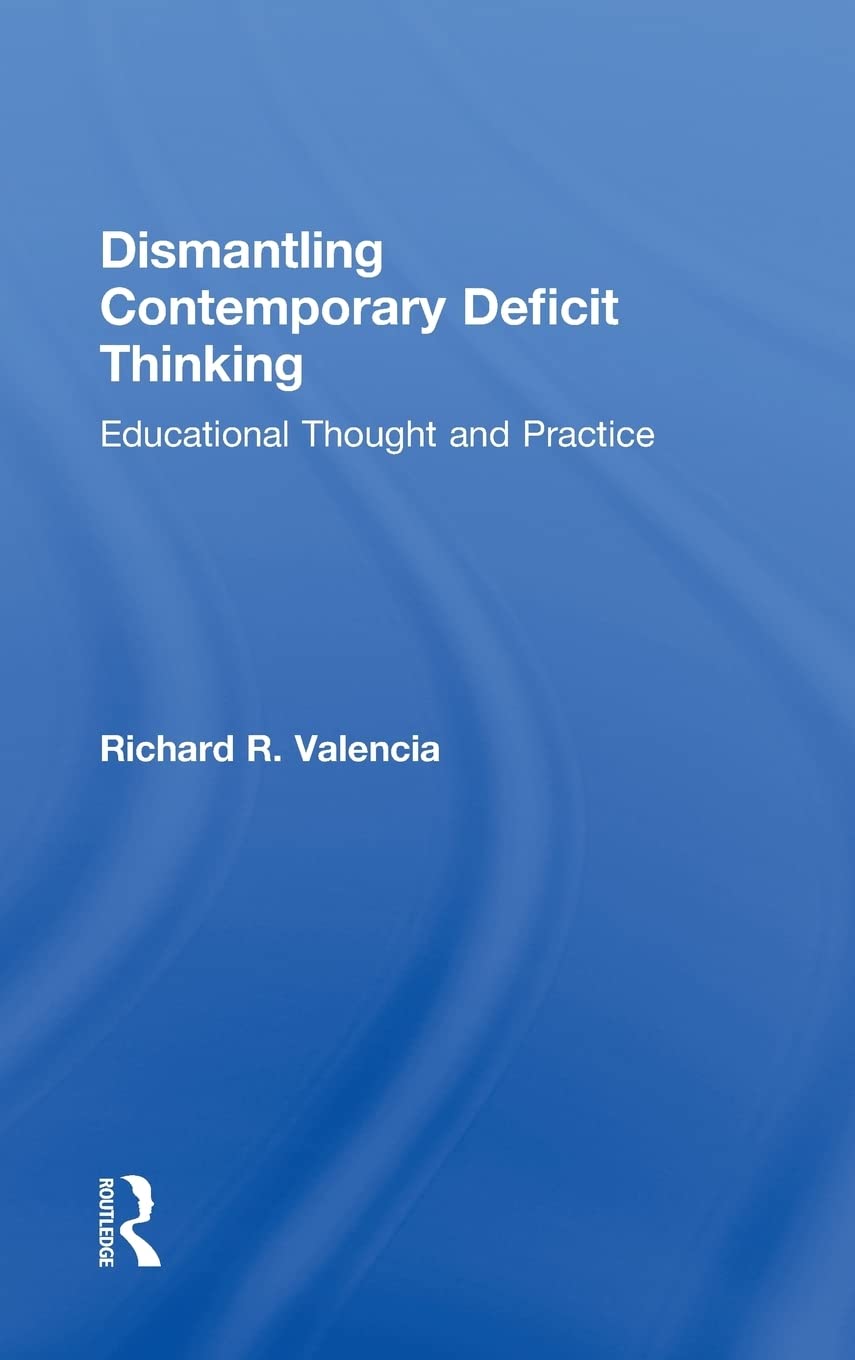
In this review of Dismantling Contemporary Deficit Thinking the bottom line is clear: this is a focused, scholarly critique aimed at educators, policy makers, and graduate students who want to understand and challenge the assumptions that blame students for systemic failure. Richard R. Valencia frames deficit thinking as a historically rooted, racially and class biased pseudoscience and offers alternatives grounded in institutional analysis. The book's single biggest reason to read it is its sustained argument that schools, not students, must be examined when confronting inequity.
Key Features
- Historical framing: The text links contemporary practices to the complex historical development of deficit thinking so readers can see how present policies evolved.
- Three-model analysis: Valencia examines the genetic pathology, culture of poverty, and at-risk models, helping readers identify specific ways deficit thinking appears in discourse and policy.
- Anti-deficit alternatives: The book presents comprehensive critiques and alternative approaches that orient educators toward institutional and systemic reform.
- Critical perspective: By calling deficit thinking a pseudoscience founded on racial and class bias, the author prompts readers to reassess common assumptions about student achievement.
- Practical relevance: The work connects theory to contemporary practice so school leaders and reformers can apply its insights to curriculum, assessment, and policy decisions.
Who It's For
This book is best for practicing teachers, school administrators, education researchers, and policy advocates who seek a rigorous critique of deficit-based explanations for low achievement. Graduate students in education theory or reform courses will also find the analytic framing useful as a foundation for research and program design.
Readers looking for a quick how-to manual or step-by-step classroom interventions should look elsewhere; the book emphasizes analysis and conceptual alternatives rather than scripted lesson plans. Those seeking richly illustrated pedagogy resources or empirical classroom case studies may find the treatment more theoretical than applied.
Pros & Cons
Pros
- Clear historical and theoretical context that exposes how deficit thinking became embedded in schooling.
- Detailed examination of three prevalent deficit models, which makes identification and critique practical for policy work.
- Constructive alternatives that reframe the problem toward institutional responsibility rather than individual blame.
Cons
- More analytical than prescriptive; readers seeking classroom-ready strategies may need to supplement with implementation texts.
Specifications
| Title | Dismantling Contemporary Deficit Thinking |
| Series | The Critical Educator |
| Author | Richard R. Valencia |
| Focus | Critique of deficit thinking and anti-deficit alternatives |
| Main topics | Genetic pathology model, culture of poverty model, at-risk model |
| Intended audience | Educators, researchers, policy makers |
Our Verdict
Dismantling Contemporary Deficit Thinking is a valuable, thought-provoking work for anyone committed to equity in education; its historical critique and model-by-model analysis equip readers to challenge harmful assumptions and push for institutional change. While not a quick implementation guide, its sustained arguments make it worthwhile for policy-minded practitioners and scholars seeking durable alternatives to blame-based explanations.
Frequently Asked Questions
Does the book offer classroom strategies?
The focus is on critique and systemic alternatives rather than detailed classroom lesson plans, so practitioners may need complementary resources for direct instruction methods.
Who is the author?
Richard R. Valencia is the author and situates the argument within the larger Critical Educator series to address theory and policy.
What models of deficit thinking are covered?
The book examines the genetic pathology model, the culture of poverty model, and the at-risk model in depth.
Editor's Take
Dismantling Contemporary Deficit Thinking is a thoughtful, historically grounded critique that equips educators and policy makers to challenge deficit explanations and push for institutional change; it is more analytical than prescriptive, so pair it with implementation resources for classroom strategies.

Recently viewed
Recently viewed products will appear here as customers browse the store.