

DIY Cultures and Underground Music Scenes - Scholarly
DIY Cultures and Underground Music Scenes - Scholarly
Price subject to change. Tap below for current.
Couldn't load pickup availability
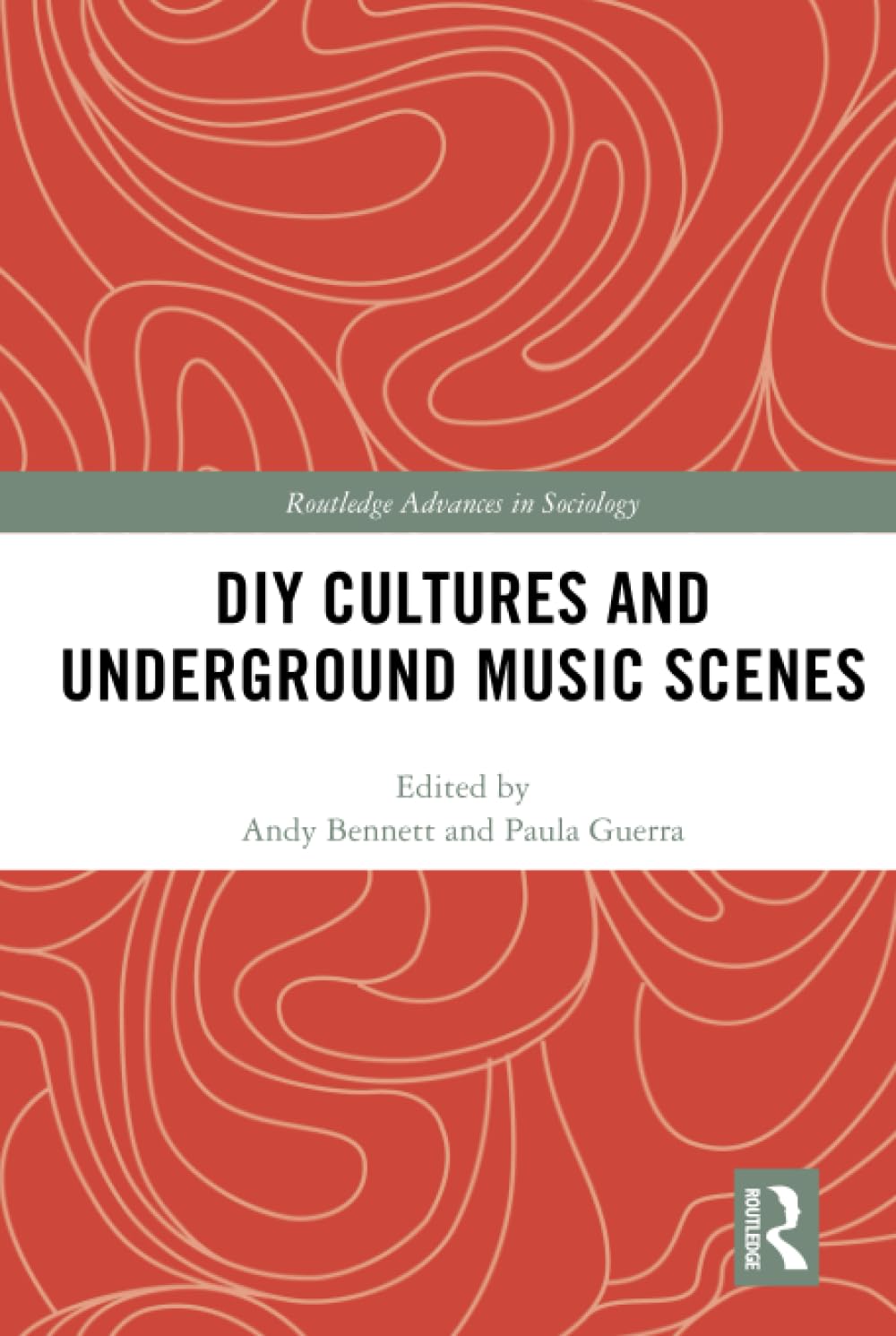
In this review of DIY Cultures and Underground Music Scenes, the bottom line is clear: this edited volume is for readers seeking a global, scholarly look at how DIY practice shapes underground music. Combining established academics and emerging scholars, the book provides comparative case studies across Europe, the Americas, Asia and Oceania that illuminate the production, performance and consumption of alternative music. Its greatest strength is connecting local scenes to broader cultural questions of space, identity and the political economy of DIY practice, making it a useful resource for researchers and engaged participants alike.
Key Features
- Global scope: Chapters cover Europe, North and South America, Asia and Oceania, providing comparative insights that help readers understand transnational patterns in DIY music scenes.
- Mixed authorship: The collection brings together established writers and younger scholars, offering both theoretical depth and contemporary, ground-level perspective on underground activity.
- Thematic framing: The editors revisit issues of space, place and identity to show how these concepts shape the meanings and practices of alternative music.
- Focus on practice: The book examines production, performance and consumption, making it relevant to those studying how DIY networks and economies function in real contexts.
- Political economy angle: Attention to the economics of DIY cultural practice clarifies how resourcefulness and constraint influence scene sustainability and creativity.
Who It's For
This volume is best suited to academics, graduate students and independent researchers in cultural sociology, musicology and related fields who want rigorous, comparative studies of underground music practices. It is also valuable to scene participants interested in reflective, research-informed accounts of DIY activity across different regions.
Readers seeking an introductory primer for casual listening or a how-to manual for starting a band will find this collection less directly practical; the emphasis is analytical and research-focused rather than instructional or fan-oriented.
Pros & Cons
Pros
- Offers a genuinely global set of case studies that illuminate differences and commonalities across regions.
- Balances established theory with fresh perspectives from younger scholars actively engaged in scenes.
- Connects cultural themes like space and identity to concrete practices of production and consumption.
Cons
- The analytical, academic tone may be dense for readers looking for a casual or practical guide to DIY music scenes.
Specifications
| Title | DIY Cultures and Underground Music Scenes |
| Series | Routledge Advances in Sociology |
| Editors / Authors | Andy Bennett, Paula Guerra |
| Scope | Case studies from Europe, the Americas, Asia and Oceania |
| Main themes | Space, place, identity, political economy of DIY practice |
| Approach | Combination of established academics and younger scholars |
Our Verdict
DIY Cultures and Underground Music Scenes is a strong, research-driven collection that rewards readers seeking comparative analysis of DIY practice and underground music. Its mix of theoretical framing and regionally grounded chapters makes it good value for scholars and committed participants who want to understand how cultural meaning, space and political economy shape contemporary underground scenes.
Frequently Asked Questions
Does this book cover multiple regions?
Yes. The volume includes original studies from Europe, North and South America, Asia and Oceania for a comparative perspective.
Is it suitable for non-academic readers?
It is primarily academic in tone; engaged scene members will benefit, but readers seeking practical how-to advice may prefer a different title.
Who edited the book?
The volume is edited by Andy Bennett and Paula Guerra and includes chapters by established and younger scholars.
Editor's Take
A rigorous, comparative collection that connects theory and case studies to explain how DIY practice shapes underground music; best for scholars and engaged participants seeking analytical depth.

Recently viewed
Recently viewed products will appear here as customers browse the store.