Regular price
$200.00 USD
Price subject to change. Tap below for current.
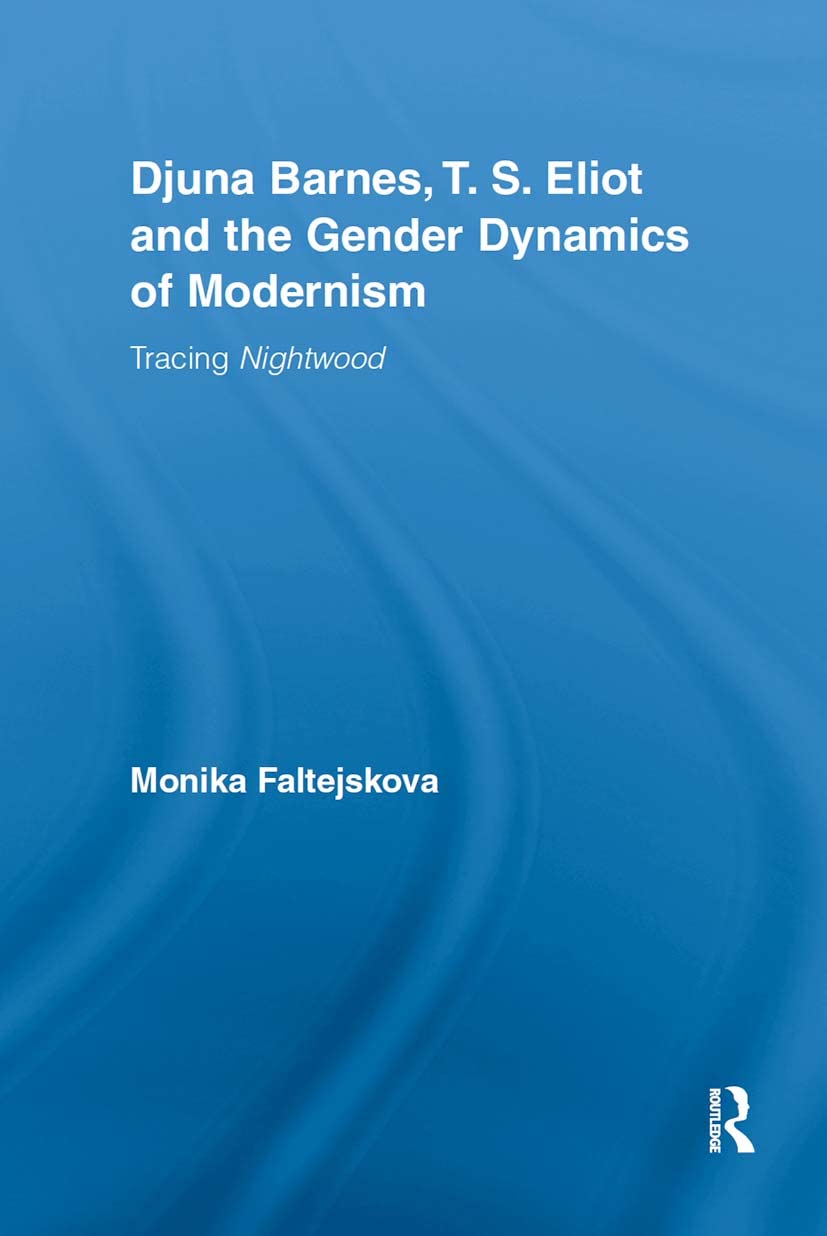
Explore the intricate relationship between Djuna Barnes and T. S. Eliot in the realm of modernist literature with this compelling study. This book delves into the gender dynamics that shaped their works, particularly focusing on Barnes' seminal text, Nightwood. Through a detailed analysis, readers will uncover how these two literary giants navigated the complexities of identity and gender in their writing.
Monika Lee's insightful examination provides a fresh perspective on the modernist movement, highlighting the often-overlooked contributions of female authors. By tracing the connections between Barnes and Eliot, the author sheds light on the interplay of gender and creativity during a transformative period in literature.
The book is structured to guide readers through the evolution of modernism, emphasizing the significance of Nightwood as a pivotal work. Lee meticulously analyzes key themes and motifs, demonstrating how Barnes' narrative style challenges traditional gender roles and expectations.
In addition to literary analysis, this study also addresses the broader cultural context of the early 20th century. Readers will gain insights into the societal norms that influenced both Barnes and Eliot, as well as the ways in which their works reflect and resist these norms. The exploration of gender representation in their writings offers a rich field for discussion and further research.
With its comprehensive approach, this book is an essential resource for scholars and students alike. It not only enhances our understanding of Djuna Barnes and T. S. Eliot but also invites readers to consider the lasting impact of gender dynamics on modernist literature. Whether you are a seasoned academic or a curious reader, this study promises to deepen your appreciation for these influential authors.
In conclusion, Monika Lee's work stands out as a significant contribution to the field of literary studies. By focusing on the gender dynamics of modernism, she opens up new avenues for exploration and discussion. This book is a must-read for anyone interested in the intersections of gender, identity, and literature in the modernist era.