

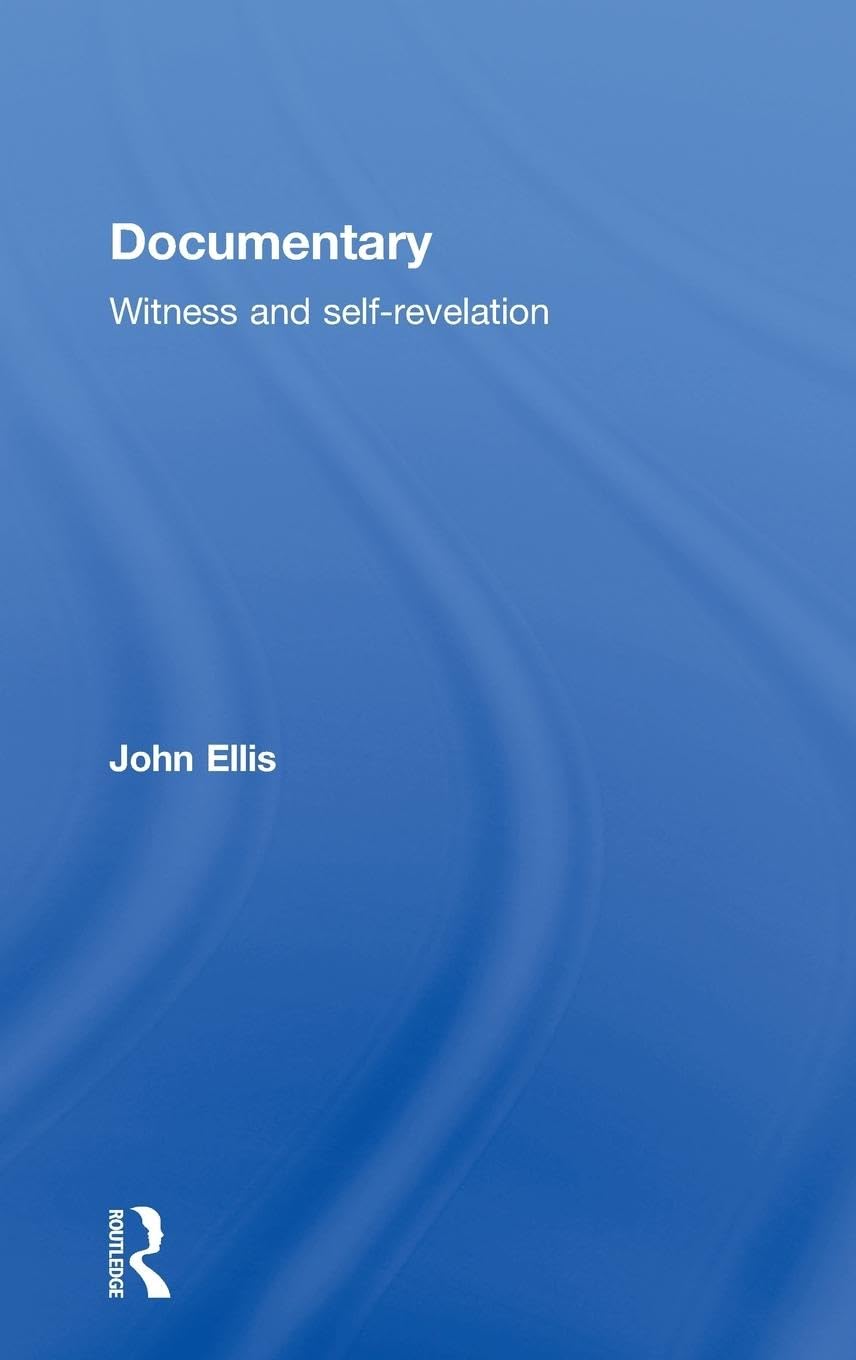
Documentary: Witness and Self-Revelation - Audience-Centred
Documentary: Witness and Self-Revelation - Audience-Centred
Price subject to change. Tap below for current.
Couldn't load pickup availability
In this review of Documentary: Witness and Self-Revelation the bottom line is clear: this book is for filmmakers, film students and thoughtful viewers who want a deeper, audience-centred understanding of contemporary documentary practice. John Ellis argues persuasively that documentaries now often record the encounter between the filmer and the filmed, and the text is most valuable for readers who want analysis grounded in real-world production experience. Its focus on how digital technologies shape perception makes it a useful critical companion rather than a how-to manual.
Key Features
- Audience-centred approach: The book foregrounds how everyday viewers interpret filmed encounters, helping readers appreciate documentary reception as an active process.
- New phase thesis: Ellis outlines a third phase in documentary history where films document the interaction between filmers and subjects, clarifying contemporary stylistic shifts.
- Production experience: The author's extensive background in documentary production informs practical observations about filming decisions and their effects on audiences.
- Technology analysis: The book examines how digital innovations can both enhance perceived realism and complicate documentary truth claims, useful for critical discussions.
- Readable argumentation: The prose connects theory to everyday filming situations, making complex ideas accessible to students and practitioners.
Who It's For
Documentary is best suited to undergraduate and graduate students in film studies, practicing documentarians seeking conceptual context for their work, and critics who want to understand how audience sophistication shapes contemporary pieces. The writing assumes some familiarity with documentary traditions but explains its key claims in direct language.
Readers looking for a step-by-step production manual, camera settings, or technical workflows should look elsewhere; this book prioritises analysis of encounters, viewer response and the implications of digital technology over equipment-level instruction.
Pros & Cons
Pros
- Clear framework for thinking about how audiences now interpret documentary encounters.
- Authoritative perspective grounded in long experience of documentary production practice.
- Thoughtful discussion of digital technology's ambiguous impact on realism and viewer trust.
Cons
- Not a practical technical guide, so readers expecting camera-level advice will be disappointed.
Specifications
| Title | Documentary: Witness and Self-Revelation |
| Author | John Ellis |
| Focus | Audience-centred documentary analysis |
| Approach | Examination of encounters between filmers and the filmed |
| Topics covered | Digital technology, realism, production practice |
| Intended readers | Filmmakers, students, critics |
Our Verdict
Documentary offers a concise, thoughtful reorientation toward audiences and filmed encounters, making it good value for readers who want theory grounded in production experience. It is best purchased by film students and documentarians seeking conceptual clarity rather than technical instruction.
Frequently Asked Questions
Does this book discuss digital technology?
Yes. The author examines how digital innovations influence realism and viewer interpretation.
Is this a how-to production manual?
No. The book focuses on analysis and reception rather than step-by-step filming techniques.
Who wrote the book?
The book is written by John Ellis, who brings extensive documentary production experience to the analysis.
Editor's Take
Documentary provides a concise, audience-centred analysis of modern documentary practice grounded in John Ellis's production experience; recommended for film students and documentarians seeking conceptual clarity rather than technical instruction.

Recently viewed
Recently viewed products will appear here as customers browse the store.