

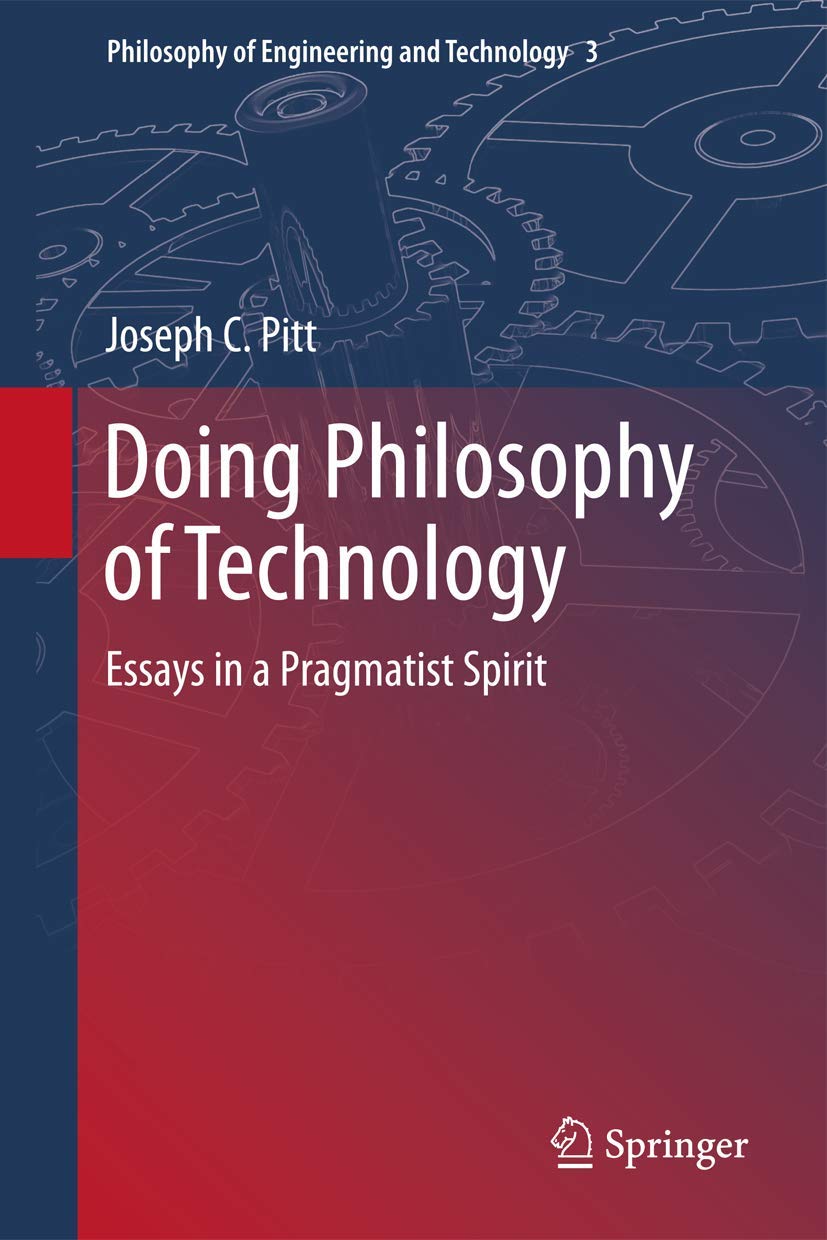
Doing Philosophy of Technology: Essays in a Pragmatist Spirit
Doing Philosophy of Technology: Essays in a Pragmatist Spirit
Price subject to change. Tap below for current.
Couldn't load pickup availability
In this review of Doing Philosophy of Technology: Essays in a Pragmatist Spirit, Joseph C. Pitt offers a clear, integrated overview of his long-standing work on how science and technology shape one another. The book is best for readers who want a thoughtful, historically aware account of the philosophy of technology rather than a textbook or procedural manual. Pitt's writing makes an explicit case that technologies alter epistemic practices and social values, so readers seeking careful argumentation about the ethical and conceptual consequences of technological integration will find significant value here.
Key Features
- Integrated overview: The book gathers and updates central essays from across Pitt's career to present a cohesive perspective on technology and science.
- Pragmatist spirit: Arguments are grounded in pragmatic concerns, showing how design and practice become epistemologically significant.
- Focus on infrastructure: It examines how complex technological infrastructures reshape the relationship between the sciences and the tools that support them.
- Ethical reach: Pitt explores the limits of ethical concern in a connected world, prompting readers to consider global responsibility.
- Architecture and identity: Essays discuss how new forms of architecture reflect and influence social self-understanding.
Who It's For
This collection is best for scholars, graduate students, and informed general readers interested in the intersection of philosophy, engineering and technology who want analytic essays that connect history, ethics and epistemology. Those teaching courses on philosophy of technology or engineering ethics will also find material suitable for seminar discussion.
Readers looking for step-by-step design guidance, introductory textbooks for novices, or highly technical engineering case studies should look elsewhere; Pitt writes as a philosopher synthesizing ideas rather than as a practitioner offering technical methods.
Pros & Cons
Pros
- Concise synthesis of decades of work that clarifies the evolving ties between science and technology.
- Thoughtful pragmatic approach that links design processes to knowledge practices.
- Raises ethical questions about global interconnectedness that spur further reflection and debate.
Cons
- The collection assumes familiarity with philosophical terminology and debates, which may be challenging for absolute beginners.
Specifications
| Title | Doing Philosophy of Technology: Essays in a Pragmatist Spirit |
| Author | Joseph C. Pitt |
| Series | Philosophy of Engineering and Technology, 3 |
| Subject focus | Philosophy of technology, science-technology relations, ethics |
| Approach | Pragmatist, historical and conceptual essays |
| Intended audience | Scholars, graduate students, informed general readers |
Our Verdict
Doing Philosophy of Technology is a well-crafted collection that rewards readers who want a coherent, pragmatist account of how technologies shape knowledge and values. It is good value for those in philosophy and related social sciences because it brings together influential essays with updated argumentation and ethical reflection, though readers new to the field may need to supplement it with introductory texts.
Frequently Asked Questions
Does this book cover empirical engineering practices?
This collection emphasizes philosophical and conceptual analysis rather than technical engineering procedures, though it discusses design as epistemic practice.
Is prior knowledge of philosophy required?
A basic familiarity with philosophical terminology helps; the essays assume some background in debates about science and technology.
Is this suitable for classroom use?
Yes, the essays can be used in seminars on philosophy of technology, ethics of technology, or history of technology as discussion pieces.
Editor's Take
Doing Philosophy of Technology collects Joseph C. Pitt's influential essays into a coherent pragmatist account of how technologies reshape knowledge and ethics; ideal for scholars and graduate students seeking conceptual depth.

Recently viewed
Recently viewed products will appear here as customers browse the store.