

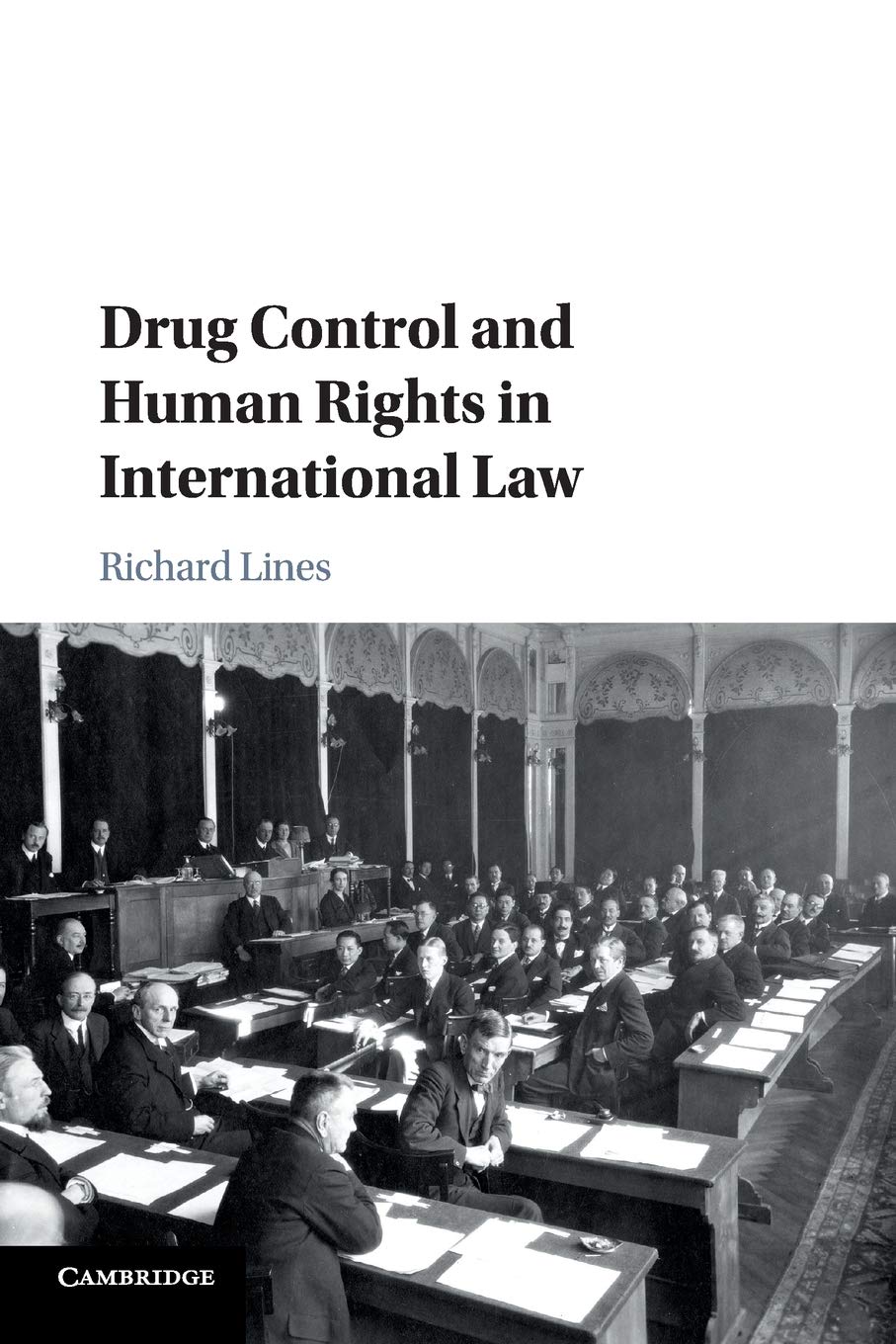
Drug Control and Human Rights in International Law - of Legal Analysis
Drug Control and Human Rights in International Law - of Legal Analysis
Price subject to change. Tap below for current.
Couldn't load pickup availability
In this review of Drug Control and Human Rights in International Law, the reviewer finds a focused, scholarly examination of how drug control enforcement collides with human rights obligations. This book is best for legal scholars, policy makers and human rights advocates seeking a historical and interpretative framework rather than a practical field manual. The strongest reason to read it is its methodical tracing of the international drug control regime since 1909 and its argument for a dynamic, human rights-based interpretative approach to resolve tensions between treaty regimes.
Key Features
- Historical analysis: Traces the evolution of international drug control law from 1909, providing context for present-day legal tensions.
- Human rights focus: Examines how enforcement can produce human rights violations and proposes interpretative remedies that safeguard rights.
- Comparative case law: Draws on domestic, regional and international examples to illustrate conflicts and possible resolutions across jurisdictions.
- Treaty interpretation: Explores questions of balancing concomitant obligations within drug control and human rights treaty regimes to guide legal reasoning.
- Theoretical contribution: Posits a dynamic, human rights-based approach that challenges traditional readings of the drug control regime.
Who It's For
This book is aimed at lawyers, academics and policy analysts interested in the intersection of international law, drug policy and human rights; it is particularly useful for readers who need a rigorous interpretative framework supported by historical and case law examples. Students of social and political sciences who require a legal perspective on violence in society will also find the material relevant.
Readers looking for practical guidance for frontline law enforcement, clinical drug treatment advice, or a popular overview will want a different, more application-oriented title; this volume is scholarly and legal in its orientation rather than a how-to manual.
Pros & Cons
Pros
- Thorough historical scope that clarifies how earlier treaty choices affect modern practice.
- Clear emphasis on human rights that reframes enforcement as a legal and ethical concern.
- Use of comparative case law makes theoretical points concrete and accessible to legal readers.
Cons
- The book's scholarly tone and legal focus may feel dense for readers seeking lighter or purely practical content.
Specifications
| Title | Drug Control and Human Rights in International Law |
| Authors | Richard Lines, William A. Schabas |
| Subject | International law, drug control, human rights |
| Scope | Historical evolution since 1909 and treaty interpretation |
| Approach | Comparative case law and human rights-based interpretative framework |
| Intended audience | Legal scholars, policy makers, human rights advocates |
Our Verdict
Drug Control and Human Rights in International Law is a thoughtful, well-documented work for readers seeking a legal and historical account of how drug control measures interact with human rights. Its value lies in reframing treaty interpretation toward rights protection, making it a worthwhile investment for scholars and policymakers needing rigorous analysis rather than practical operational guidance.
Frequently Asked Questions
Does this book cover practical enforcement guidance?
No. The book focuses on legal analysis, treaty interpretation and case law rather than operational enforcement procedures.
Who wrote this book?
The authors are Richard Lines and William A. Schabas, both contributing to the legal and human rights perspective presented.
Does it include case law examples?
Yes. The text draws on domestic, regional and international case law to illustrate tensions and possible interpretative solutions.
Editor's Take
A thoughtful, well-documented legal study that traces international drug control since 1909 and argues for a human rights-based interpretative approach, best suited to scholars and policymakers.

Recently viewed
Recently viewed products will appear here as customers browse the store.