

Dysfluencies: On Speech Disorders in Modern Literature - Scholarly
Dysfluencies: On Speech Disorders in Modern Literature - Scholarly
Price subject to change. Tap below for current.
Couldn't load pickup availability
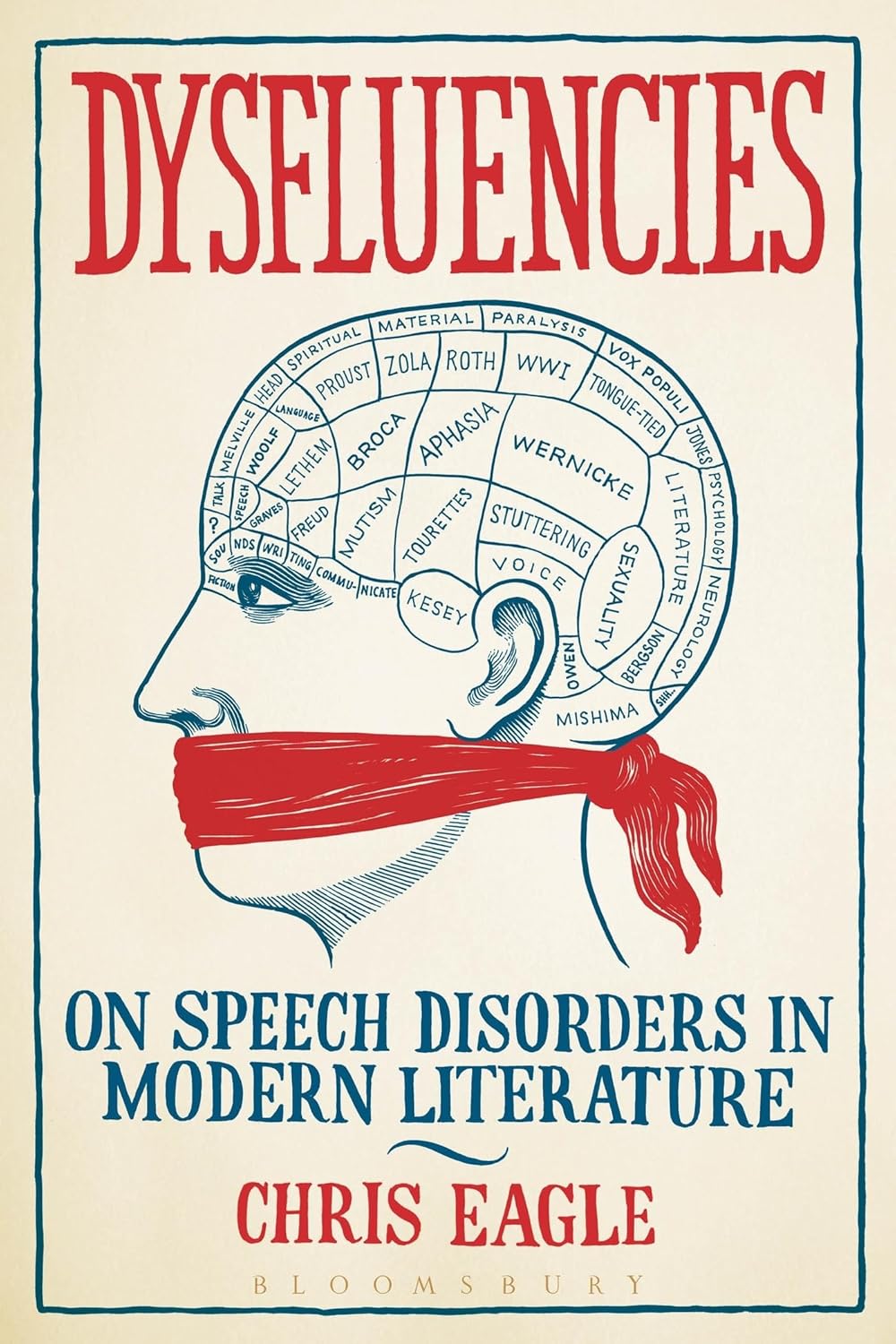
In this review of Dysfluencies: On Speech Disorders in Modern Literature, the bottom line is clear: this is the go-to critical study for readers who want a historically grounded, literature-focused account of how speech disorders function in narrative. Chris Eagle traces the interaction between literary practice and speech pathology from the rise of aphasiology in the 1860s to contemporary fiction, showing why authors from Melville and Zola through Joyce and Roth keep returning to disordered speech as a problem for selfhood. Scholars, graduate students, and attentive readers of modern fiction will find the book's scope and archival rooting the single biggest reason to buy.
Key Features
- Historical scope: The book traces portrayals of disordered speech back to the rise of aphasiology in the 1860s, giving readers a long view of the topic.
- Canonical close readings: Detailed examinations of writers such as Zola, Proust, Joyce, Melville, and Mishima illuminate how specific texts stage speech pathology.
- Contemporary relevance: Coverage of recent authors like Philip Roth, Gail Jones, and Jonathan Lethem connects classic concerns to present-day literary practice.
- Interdisciplinary framing: Eagle positions literary depiction alongside developments in speech pathology, making the study useful to both humanities and speech-focused readers.
- Critical emphasis on selfhood: The book foregrounds questions about the status of the Self when speech is disordered, offering a sustained thematic through-line.
Who It's For
Readers with interest in literary criticism, history of science, or disability studies will get the most from this study. Graduate students and researchers who need a sustained account linking aphasiology and fiction will appreciate the archival references and the range of authors discussed.
Those looking for a primer on clinical speech therapy or a how-to manual for treatment should look elsewhere; Dysfluencies is a work of criticism and history rather than a clinical textbook. General readers interested only in biographies or plot summaries may find the scholarly tone dense.
Pros & Cons
Pros
- Comprehensive historical reach ties nineteenth-century aphasiology to modern literary practice.
- Close readings of major writers provide concrete textual evidence for broader claims.
- Interdisciplinary perspective makes the book useful across literature and humanities curricula.
Cons
- Theoretical and archival focus may feel dense for readers seeking light or purely narrative-driven accounts.
Specifications
| Title | Dysfluencies: On Speech Disorders in Modern Literature |
| Author | Chris Eagle |
| Subject areas | Literature, History & Criticism, Speech and pathology in fiction |
| Coverage | From the 1860s aphasiology to contemporary writers |
| Authors discussed | Zola, Proust, Joyce, Melville, Mishima, Roth, Gail Jones, Jonathan Lethem |
| Purpose | Scholarly study of speech disorders in modern literature |
Our Verdict
Dysfluencies is a tightly argued, historically informed study that rewards readers who want to understand how speech pathology operates as a literary problem. Its combination of archival background and close reading makes it good value for students and scholars of modern literature and disability studies, though casual readers seeking lighter fare may prefer a more accessible introduction.
Frequently Asked Questions
Does this book cover both classic and contemporary authors?
Yes. It examines writers from nineteenth- and twentieth-century figures through contemporary authors such as Philip Roth and Jonathan Lethem.
Is this a clinical guide to speech therapy?
No. The focus is literary and historical; it situates representations of speech disorders within critical and archival debates rather than offering clinical instruction.
Will this be useful for graduate coursework?
Yes. The book's interdisciplinary framing and close readings make it suitable for seminars in literature, disability studies, and history of science.
Editor's Take
Dysfluencies is a historically grounded, interdisciplinary study that links aphasiology and modern fiction; recommended for scholars and students in literature and disability studies for its archival reach and close readings.

Recently viewed
Recently viewed products will appear here as customers browse the store.