

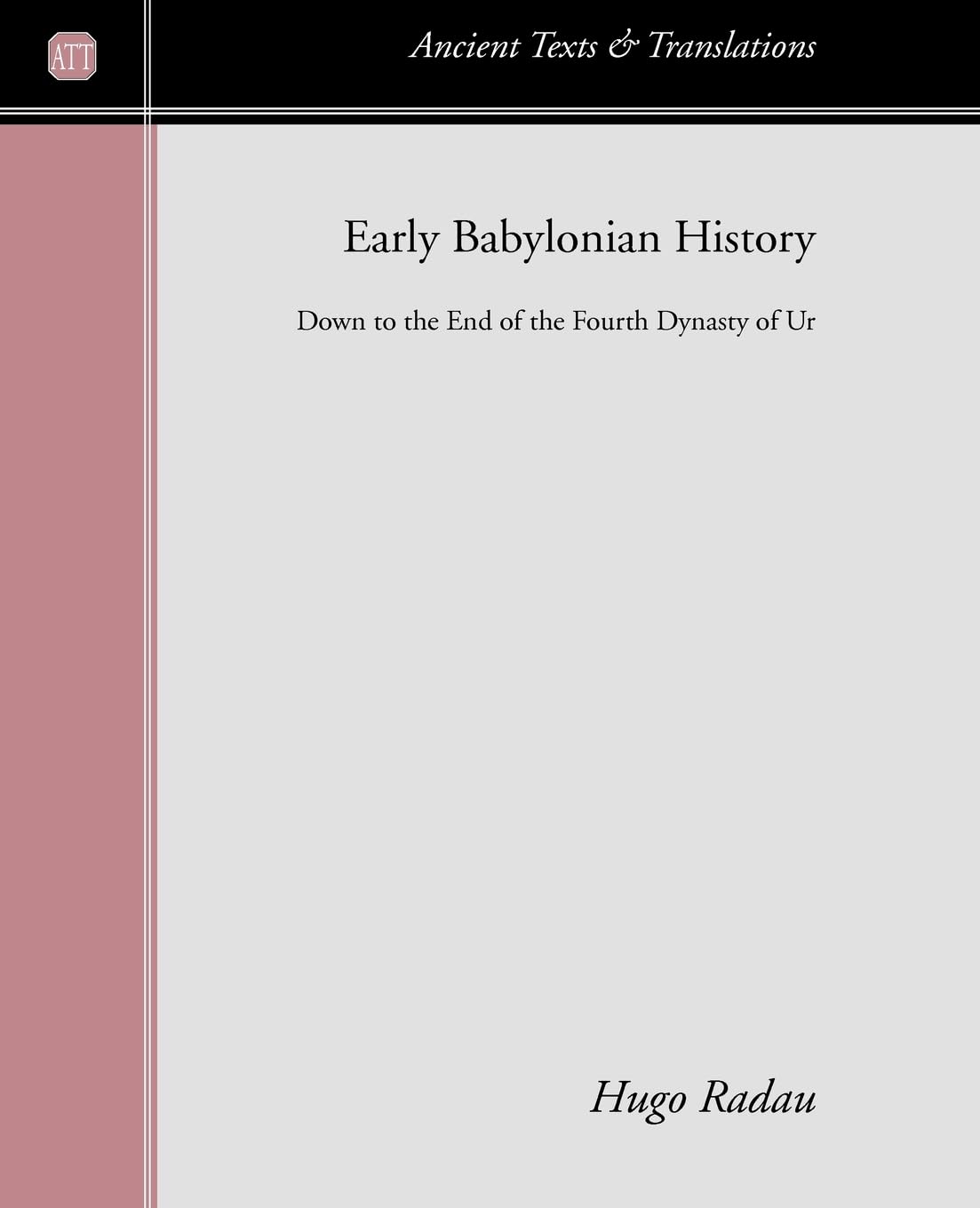
Early Babylonian History: Down to the End of the Fourth Dynasty of Ur
Early Babylonian History: Down to the End of the Fourth Dynasty of Ur
Price subject to change. Tap below for current.
Couldn't load pickup availability
Our review of Early Babylonian History: Down to the End of the Fourth Dynasty of Ur finds it an exacting resource for readers who need primary material and close historical judgment on early Mesopotamia. Hugo Radau assembles texts, transcriptions and translations spanning roughly 4500 BCE to 2300 BCE, and the single biggest reason to buy this volume is its concentration of source documents and chronological apparatus in one place, making it a practical reference for research or advanced study rather than casual reading.
Key Features
- Wide chronological scope: Covers archival and inscriptional material from c. 4500 BCE to c. 2300 BCE, giving readers a continuous early history frame.
- Extensive transcriptions and translations: Provides readable transcriptions and translations of the primary documents so scholars can compare originals and rendered text.
- Authoritative commentary: Radau supplies historical judgments that help interpret fragmentary evidence and situate texts in chronological context.
- Chronological tables and lists: Compact tables and lists clarify succession, reign lengths and relative chronology for quick reference.
- Select bibliography: A new bibliography guides readers to further primary editions and modern commentary for deeper study.
Who It's For
This book is aimed at graduate students, historians of the ancient Near East and translators who need direct access to early Mesopotamian documents and a scholar's readings of their significance. The combination of texts, translation and chronological tables suits those preparing papers, teaching seminars or compiling comparative corpora.
Readers seeking a general narrative of Babylonian culture, illustrated introductions, or light popular histories should look elsewhere; this is a specialist volume focused on primary sources and scholarly argument rather than broad cultural overviews or accessible storytelling.
Pros & Cons
Pros
- Concentrates scattered archival and inscriptional material into a single, usable volume for research reference.
- Offers direct transcriptions and translations that allow independent evaluation of the primary texts.
- Includes clear chronological tables and lists that speed up cross-referencing of rulers and dynasties.
Cons
- Specialist tone and dense material make it unsuitable for casual readers or those without some prior background.
Specifications
| Title | Early Babylonian History: Down to the End of the Fourth Dynasty of Ur |
| Author | Hugo Radau |
| Coverage Period | c. 4500 BCE to c. 2300 BCE |
| Contents Highlights | Transcriptions, translations, chronological tables and lists |
| Included Lists | Rulers of Kish, First to Fourth Dynasties of Ur, Kings of Agade, Erech, Isin |
| Additional Material | Select Bibliography and names of the months |
Our Verdict
For scholars and advanced students of the ancient Near East this volume is a valuable, cost-effective reference because it aggregates primary texts, translations and chronological aids in one place. Its specialist focus and Radau's historical judgments make it particularly useful for academic research, teaching and detailed chronological work.
Frequently Asked Questions
Does this book include primary texts and translations?
Yes; the volume contains extensive transcriptions and translations of the archival and inscriptional material discussed.
Is this suitable for beginners?
Not ideal for beginners: the treatment is scholarly and assumes some prior knowledge of Mesopotamian history and terminology.
What chronological tools are provided?
The book includes chronological tables, lists of rulers and a new select bibliography to aid cross-referencing.
Editor's Take
A valuable reference for scholars and advanced students, Radau's volume aggregates primary texts, translations and chronological aids into a single specialist resource ideal for research and teaching.

Recently viewed
Recently viewed products will appear here as customers browse the store.