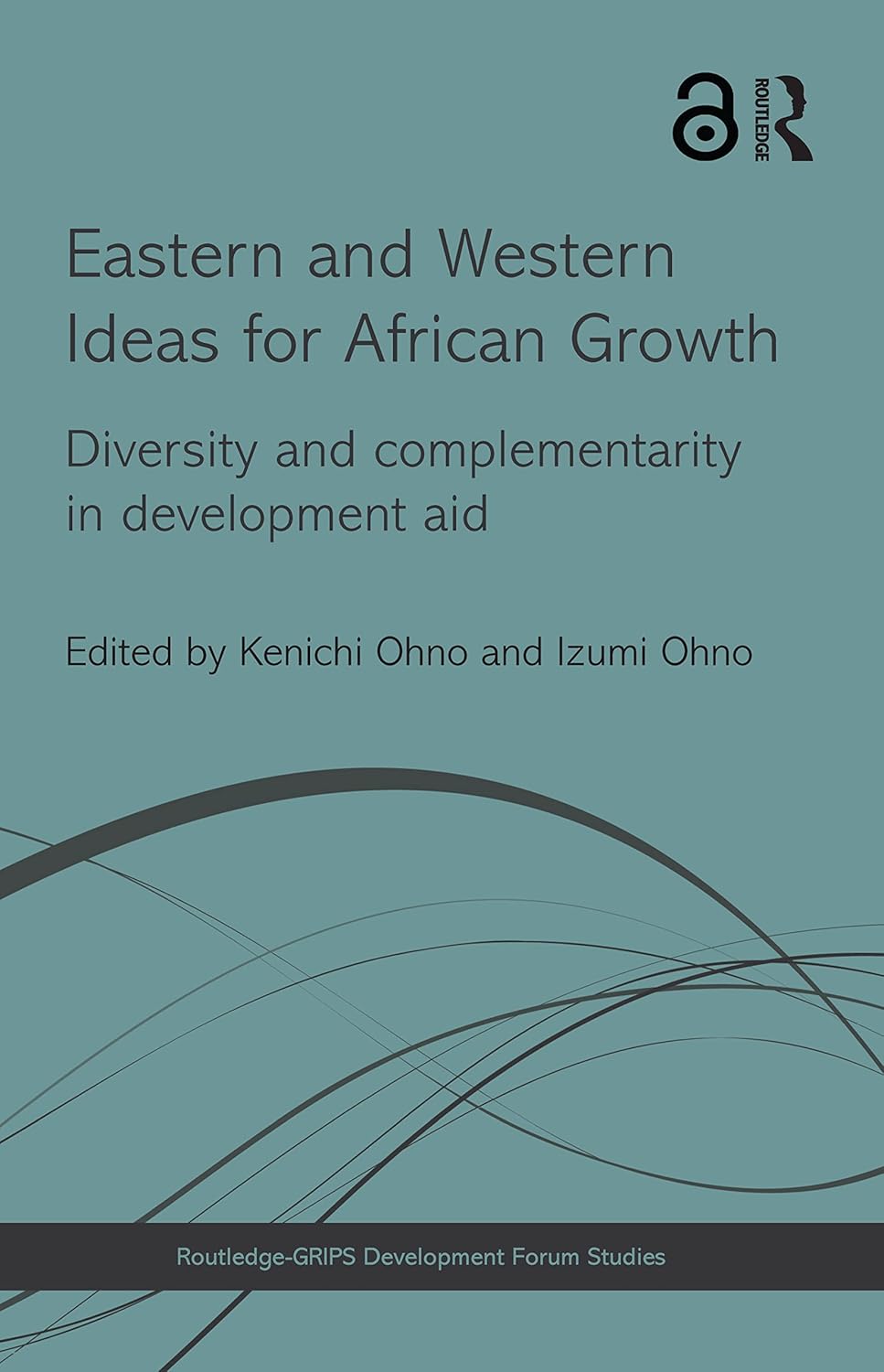
Eastern and Western Ideas for African Growth: A Comprehensive Guide
Eastern and Western Ideas for African Growth: A Comprehensive Guide
Price subject to change. Tap below for current.
Couldn't load pickup availability
In the realm of development aid, Eastern and Western ideas play a crucial role in shaping the future of African nations. The book titled Eastern and Western Ideas for African Growth delves into the intricate dynamics of diversity and complementarity in development strategies. Authored by Kenichi Ohno and Izumi Ohno, this insightful work offers a unique perspective on how various approaches can be harmonized to foster sustainable growth in Africa.
The authors meticulously analyze the historical context and contemporary challenges faced by African countries. By juxtaposing Eastern philosophies with Western methodologies, they provide a comprehensive framework for understanding the multifaceted nature of development aid. This comparative analysis not only highlights the strengths and weaknesses of each approach but also emphasizes the importance of integrating diverse strategies to achieve optimal outcomes.
One of the key themes explored in this book is the significance of cultural diversity in shaping development policies. The authors argue that recognizing and valuing local traditions and practices can lead to more effective and sustainable solutions. By incorporating local knowledge and expertise, development initiatives can be tailored to meet the specific needs of communities, ultimately resulting in greater impact.
Furthermore, the book addresses the role of international cooperation in facilitating growth. The authors advocate for a collaborative approach that leverages the strengths of both Eastern and Western nations. By fostering partnerships and sharing best practices, countries can work together to tackle pressing issues such as poverty, education, and healthcare.
In addition to theoretical insights, the book is rich with practical examples and case studies that illustrate successful applications of these ideas in real-world scenarios. Readers will find valuable lessons from various African countries that have effectively implemented strategies combining both Eastern and Western influences. These case studies serve as a testament to the potential for synergy in development efforts.
Moreover, the authors emphasize the need for adaptability in development aid. As global dynamics shift, it is essential for policymakers to remain flexible and responsive to changing circumstances. The book provides a roadmap for navigating these complexities, offering actionable recommendations for practitioners and stakeholders in the field.
In conclusion, Eastern and Western Ideas for African Growth is an essential read for anyone interested in the future of development aid in Africa. It challenges conventional wisdom and encourages a more nuanced understanding of how diverse approaches can coexist and complement each other. This book is not just a theoretical exploration; it is a call to action for a more inclusive and effective development paradigm.
Share