Regular price
$185.64 USD
Price subject to change. Tap below for current.
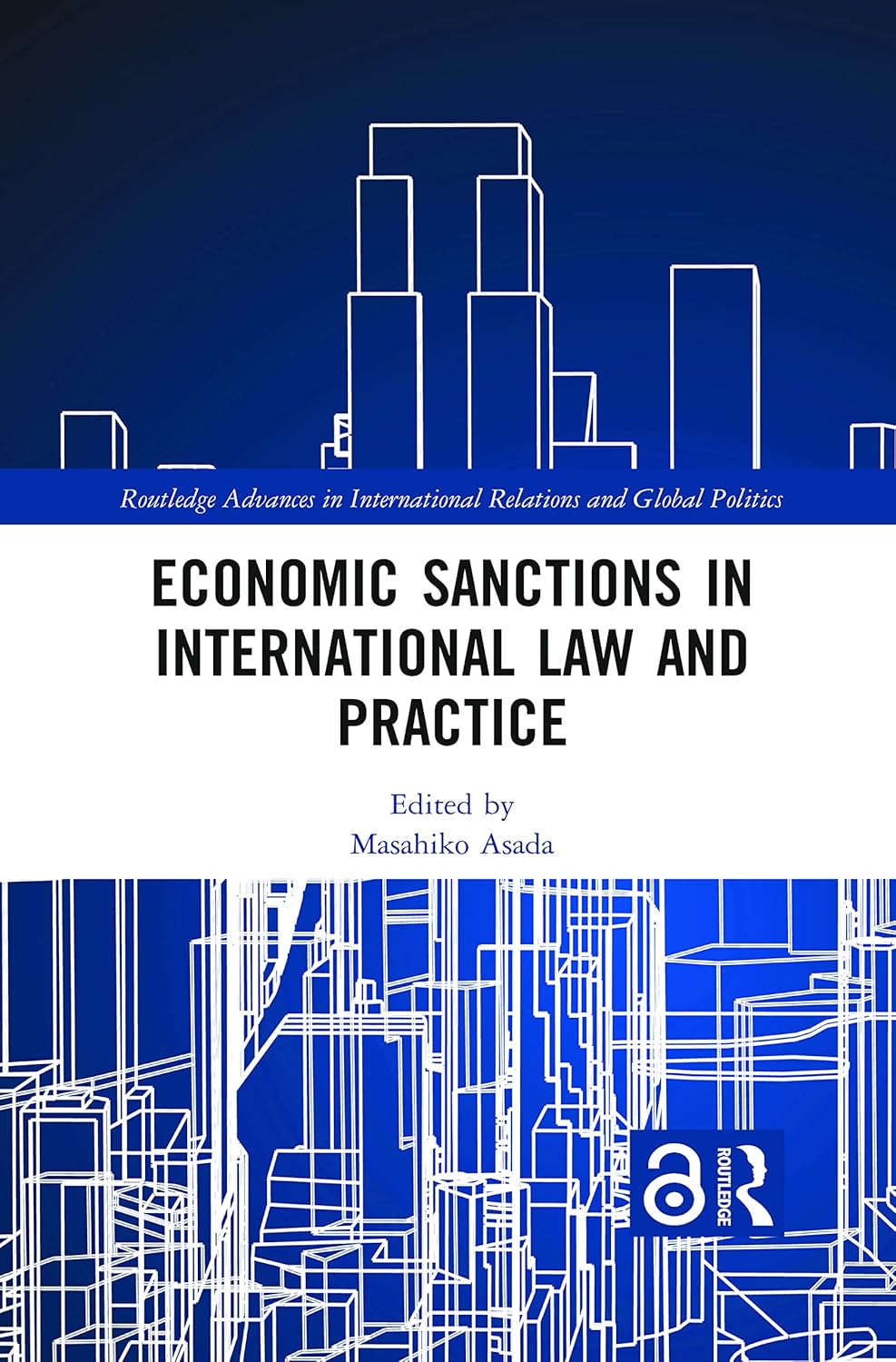
The book Economic Sanctions in International Law offers a comprehensive analysis of the role and impact of sanctions in global politics. Authored by Masahiko Asada, this insightful work delves into the legal frameworks that govern the imposition of sanctions, providing readers with a thorough understanding of their implications.
In today's interconnected world, the use of economic sanctions has become a common tool for states and international organizations to influence behavior and enforce compliance with international norms. Asada meticulously examines the historical context of sanctions, illustrating how they have evolved over time and their effectiveness in achieving political objectives.
This book is particularly valuable for scholars and practitioners in the field of international relations, as it addresses both the theoretical and practical aspects of sanctions. The author presents a balanced view, discussing the legal justifications for sanctions while also highlighting the potential humanitarian consequences that can arise from their implementation.
One of the key strengths of Economic Sanctions in International Law is its detailed case studies, which provide real-world examples of how sanctions have been applied in various contexts. These case studies not only enhance the reader's understanding but also serve as a critical examination of the outcomes associated with different sanction regimes.
Asada's work also explores the challenges faced by states when implementing sanctions, including issues of compliance and enforcement. The book emphasizes the importance of a coordinated international approach to sanctions, arguing that unilateral measures often lead to unintended consequences and undermine global stability.
Furthermore, the author discusses the role of international organizations, such as the United Nations, in sanctioning states and the legal frameworks that guide these actions. This analysis is crucial for understanding the intersection of international law and politics, particularly in the context of global governance.
In conclusion, Economic Sanctions in International Law and Practice is an essential read for anyone interested in the complexities of sanctions and their impact on international relations. Masahiko Asada's expertise and thorough research make this book a significant contribution to the field, providing valuable insights for both academics and policymakers alike.