

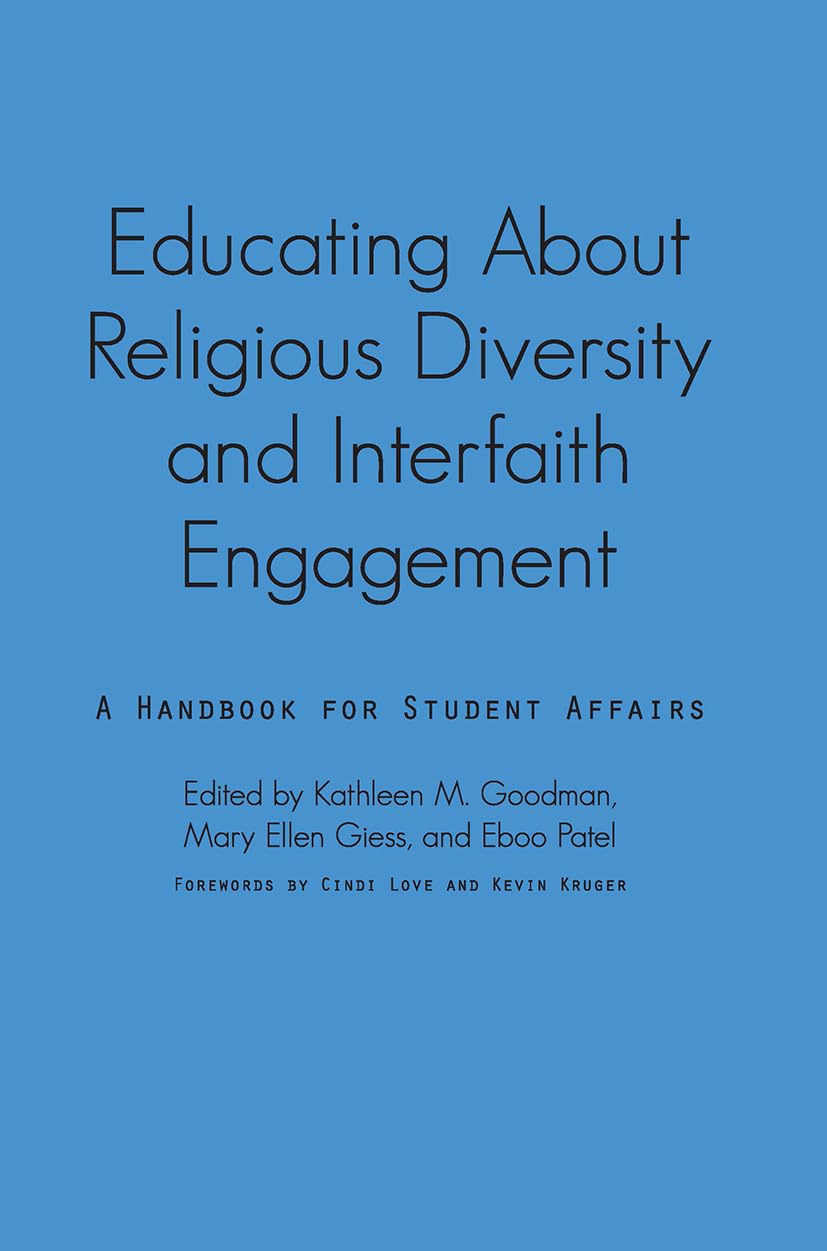
Educating About Religious Diversity and Interfaith Engagement
Educating About Religious Diversity and Interfaith Engagement
Price subject to change. Tap below for current.
Couldn't load pickup availability
In this review of Educating About Religious Diversity and Interfaith Engagement, the handbook is recommended for student affairs professionals and faculty who need a thoughtful, practical guide to faith, secularity and interfaith work on campus. The single biggest reason to buy is its clear focus on making a difficult topic approachable: contributors provide grounded strategies and resources that help readers increase their comfort level and confidently facilitate conversations about belief without assuming prior training in theology or mediation.
Key Features
- Practical guidance: The book offers step-by-step approaches and resources that a practitioner can apply directly to programming and student interactions.
- Focus on diversity: It addresses spirituality, religion and secularity across a range of student beliefs so institutions can better reflect changing campus demographics.
- Interfaith engagement tools: Contributors provide methods to structure dialogue and reduce the risk of heated disputes while encouraging respectful exchange.
- Educational framing: Content is aimed at both student affairs staff and faculty, bridging in-class and out-of-class conversations about belief.
- Resource oriented: The handbook includes references and practical materials intended to help readers design programs and training sessions.
Who It's For
This book best serves student affairs professionals, campus ministry staff, diversity and inclusion officers, and faculty who are starting to incorporate religion and secularity into programming or classroom discussion. It is especially useful for those who feel unprepared or cautious about facilitating faith-related conversations and need concrete tools and language to begin.
It is less suited for readers seeking an academic treatise on theology or a comprehensive history of world religions; those needs are beyond the handbook's practical, practitioner-oriented scope. Users wanting an exhaustive research volume should look elsewhere, while campus practitioners will find this directly applicable.
Pros & Cons
Pros
- Provides actionable strategies that increase staff comfort and competence in addressing belief on campus.
- Centered on inclusion, it treats secular and religious perspectives with equal attention.
- Bridges classroom and co-curricular settings so faculty and student affairs can coordinate approaches.
Cons
- Not intended as a deep theological or scholarly reference, so readers seeking theory-heavy material may find it limited.
Specifications
| Title | Educating About Religious Diversity and Interfaith Engagement |
| Format | Handbook for student affairs and faculty |
| Primary audience | Student affairs professionals, faculty, campus staff |
| Focus areas | Spirituality, religion, secularity, interfaith work |
| Purpose | Practical guidance and resources for campus engagement |
| Contributor perspective | Practitioner-oriented with resource materials |
Our Verdict
For campus practitioners who need clear, usable tools to engage students across religious and secular identities, this handbook is a practical and cost-effective investment. It translates a sensitive topic into concrete practices that reduce anxiety and improve programming, making it good value for professionals aiming to foster respectful interfaith dialogue on campus.
Frequently Asked Questions
Is this book suitable for faculty as well as student affairs staff?
Yes. The handbook is written to help both faculty and student affairs professionals integrate discussions about belief in and out of the classroom.
Does the book provide sample programs or activities?
Yes. Contributors include resources and practical materials intended to help readers design programs, trainings and dialogues.
Will this replace academic studies of religion?
No. It is a practitioner-focused handbook designed for engagement and programming rather than a comprehensive scholarly or theological reference.
Editor's Take
A practical, practitioner-oriented handbook that equips student affairs professionals and faculty with resources and strategies to facilitate respectful interfaith engagement and discussions of belief on campus.

Recently viewed
Recently viewed products will appear here as customers browse the store.