

Educating for Peace and Human Rights: An Introduction - Clear
Educating for Peace and Human Rights: An Introduction - Clear
Price subject to change. Tap below for current.
Couldn't load pickup availability
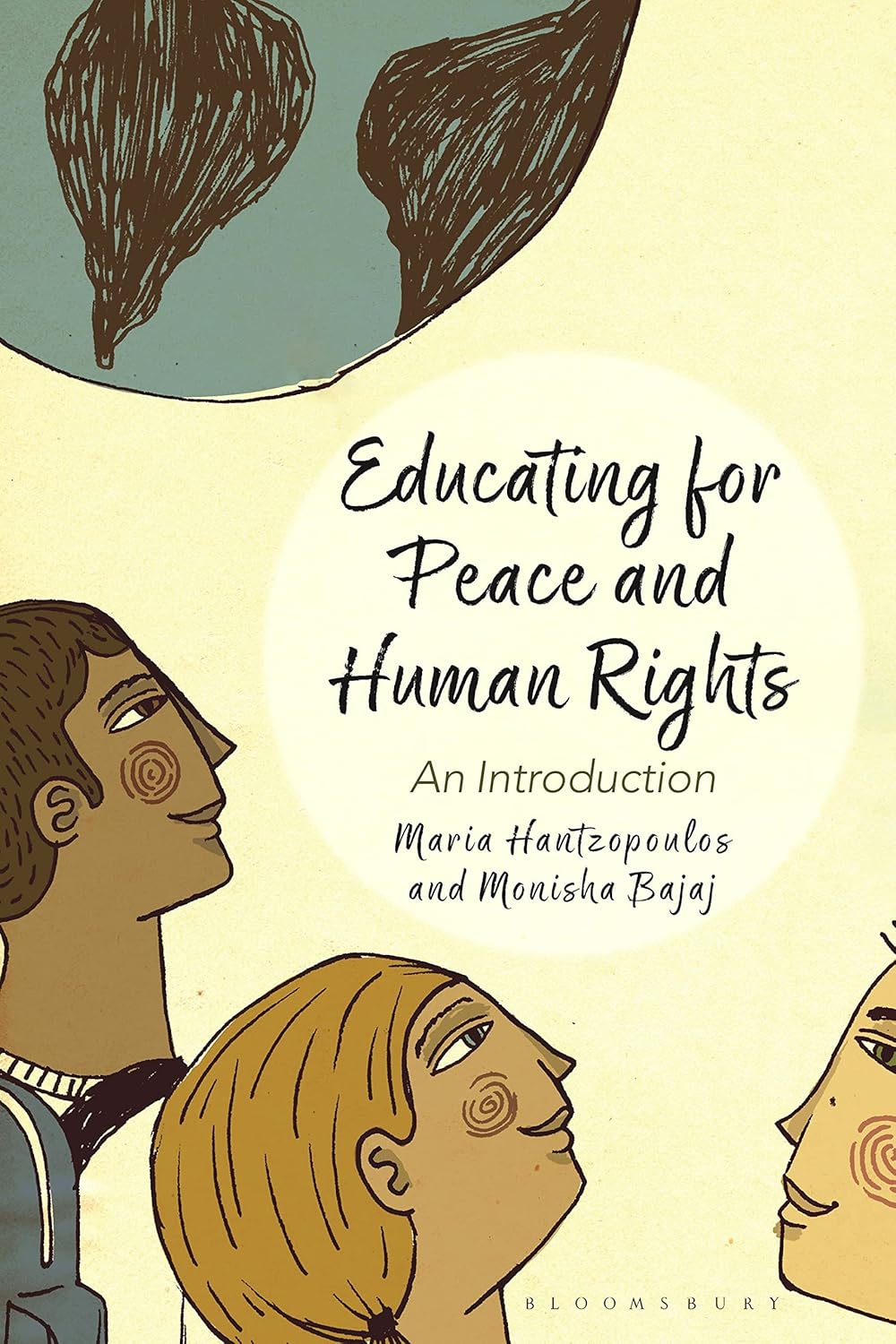
In this review of Educating for Peace and Human Rights: An Introduction, the book is presented as a thoughtful primer for educators and students seeking a foundational, comparative look at two interrelated fields. The bottom line is that it is most valuable for university instructors, teacher trainers, and graduate students who need a clear framework that distinguishes and connects peace education and human rights education. The text's main strength is its measured synthesis of histories, concepts, and models that professionals can use to design curricula and research projects.
Key Features
- Comparative framing: Explains how peace education and human rights education developed separately and what their combined aims can achieve in classrooms and communities.
- Historical context: Traces the emergence of both fields over five decades, helping readers understand contemporary practice in light of past efforts.
- Practical models: Presents models and approaches that educators can adapt for diverse global sites and varied learning environments.
- Research-informed: Summarizes key research findings to guide evidence-based program design and evaluation.
- Audience focus: Tailored to both students and practitioners, making theoretical concepts accessible for application in teaching and advocacy.
Who It's For
This book targets university-level instructors, graduate students, teacher educators, and curriculum developers who need a compact introduction to the theoretical foundations and practical possibilities of both peace and human rights education. It is especially useful for those designing courses, workshops, or community programs that aim to reduce violence and promote cultures of justice.
Readers looking for a highly technical manual, step-by-step classroom lesson plans, or an exhaustive global survey of programs may need supplementary resources. Policy specialists seeking implementation logistics or detailed case law are better served by targeted policy texts.
Pros & Cons
Pros
- Clear conceptual separation and synthesis of two related fields, which helps clarify curriculum goals.
- History and foundations are concisely presented for readers new to the topics.
- Includes models and research findings that support practical adaptation in diverse contexts.
Cons
- Not a prescriptive teacher's manual; classroom practitioners may need additional lesson-level resources.
Specifications
| Title | Educating for Peace and Human Rights: An Introduction |
| Authors | Maria Hantzopoulos, Monisha Bajaj |
| Subject | Peace education and human rights education |
| Scope | Conceptual foundations, history, models, and research findings |
| Intended audience | Students, educators, and teacher trainers |
| Global focus | Discusses implementation in diverse global sites |
Our Verdict
Educating for Peace and Human Rights is a compact, well-grounded introduction that belongs on the syllabus for courses on education, peace studies, and human rights. It provides strong conceptual clarity and practical models that make it good value for instructors and graduate students seeking to link scholarship to classroom and community practice.
Frequently Asked Questions
Is this book suitable for undergraduate students?
Yes; it is accessible to undergraduates but reads especially well for upper-level undergraduates and graduate students because of its conceptual framing.
Does it include classroom lesson plans?
No; the book offers models and research-informed approaches rather than step-by-step lesson plans, so teachers may want supplementary materials for classroom activities.
Does it address global contexts?
Yes; the authors discuss implementation across diverse global sites and consider international efforts such as those by the United Nations and civil society.
Editor's Take
A compact, well-grounded introduction ideal for instructors and graduate students; it clarifies the concepts and presents adaptable models that link scholarship to classroom and community practice.

Recently viewed
Recently viewed products will appear here as customers browse the store.