

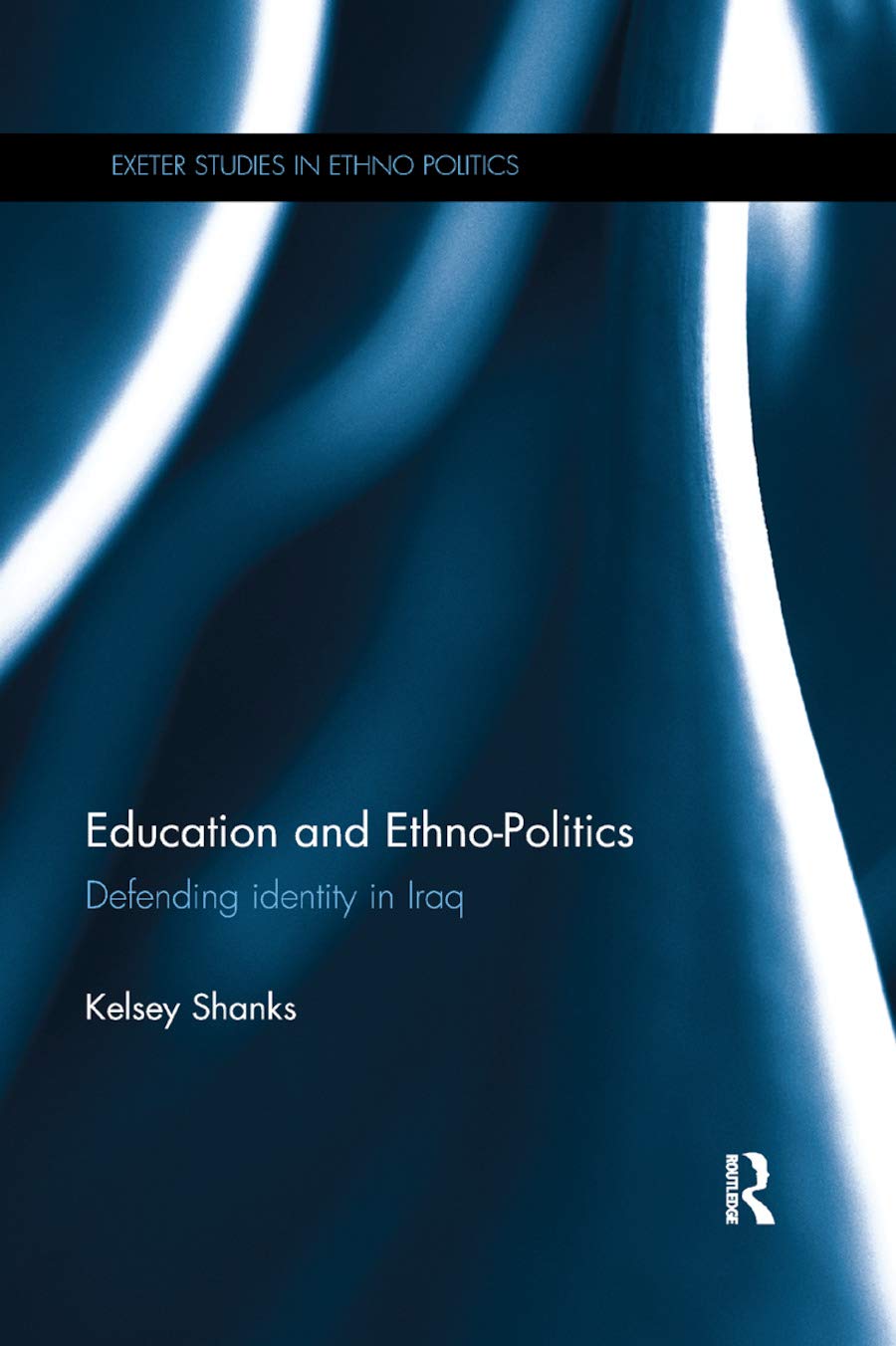
Education and Ethno-Politics - In-depth of Iraqi Disputed Territories
Education and Ethno-Politics - In-depth of Iraqi Disputed Territories
Price subject to change. Tap below for current.
Couldn't load pickup availability
In this review of Education and Ethno-Politics, the book is recommended for scholars, policy makers, and graduate students seeking a focused examination of how identity politics shapes daily life in the Iraqi Disputed Territories. The author centers on the lived consequences of escalating ethno-political claims across 15 districts in four northern governorates, making this work valuable because it connects administrative uncertainty to concrete social effects rather than remaining abstract theory. Readers should expect a research-driven, regionally grounded discussion that treats services, coexistence, and identity as intertwined policy challenges.
Key Features
- Regional focus: Detailed attention to the Iraqi Disputed Territories brings clarity to tensions spread across 15 districts in four northern governorates, grounding arguments in a specific geographic scope.
- Identity politics analysis: The book traces how ethnically defined claims shape everyday interactions, showing why demographic composition matters for local governance and communal relations.
- Minority perspectives: Coverage highlights the ways minority groups are drawn into clashes over territory and services, aiding readers who need to understand vulnerable populations.
- Policy relevance: By linking identity to public services and coexistence, the work offers insights useful to practitioners designing administrative or social interventions in fragile contexts.
- Research emphasis: The study fills a gap in empirical research on the lived impact of heightened identity politics, making it a useful reference for future fieldwork and scholarship.
Who It's For
Education and Ethno-Politics is best for academics in Middle Eastern studies, international relations, and political sociology who want a focused case study of ethno-political dynamics at the district level. It is also suited to policy analysts and NGO staff engaged in post-conflict governance, minority rights, or service delivery who need nuanced background on how demographic contestation affects everyday life.
Those seeking a broad history of Iraq or a general primer on the entire country may find the scope narrow; this book concentrates on disputed territories and the interplay between identity and local administration rather than providing a complete national narrative.
Pros & Cons
Pros
- Clear regional scope that illuminates how the 15 disputed districts interact across four governorates.
- Strong linkage between identity politics and practical concerns like service provision and coexistence.
- Attention to minority experiences helps surface underexamined social impacts of territorial claims.
Cons
- Focused scope means readers looking for comprehensive national history will need supplementary sources.
Specifications
| Title | Education and Ethno-Politics |
| Series | Exeter Studies in Ethno Politics |
| Author | Kelsey Shanks |
| Regional focus | Iraqi Disputed Territories (15 districts, four governorates) |
| Primary themes | Identity politics, minority groups, coexistence, service provision |
| Intended audience | Scholars, policy makers, graduate students |
Our Verdict
For readers who need a targeted, research-based account of how ethno-political competition affects daily life in contested zones, this book offers clear value by tying demographic disputes to practical governance and social outcomes. It is a worthwhile purchase for specialists and practitioners who want evidence-based insights on coexistence and service challenges in the Iraqi Disputed Territories.
Frequently Asked Questions
Does this book cover the entire country of Iraq?
The focus is on the Iraqi Disputed Territories across 15 districts in four northern governorates rather than a full national history.
Is the book suitable for policy makers?
Yes. Its emphasis on services, coexistence, and minority impacts makes it directly relevant to policy makers and NGO staff working in fragile ethno-political environments.
Does the author include minority perspectives?
Yes. The work highlights how minority groups are drawn into demographic and administrative disputes and examines effects on everyday life.
Editor's Take
This focused, research-driven book is recommended for scholars and policy makers who need evidence-based insights on how identity politics and demographic disputes shape services and coexistence in the Iraqi Disputed Territories.

Recently viewed
Recently viewed products will appear here as customers browse the store.