

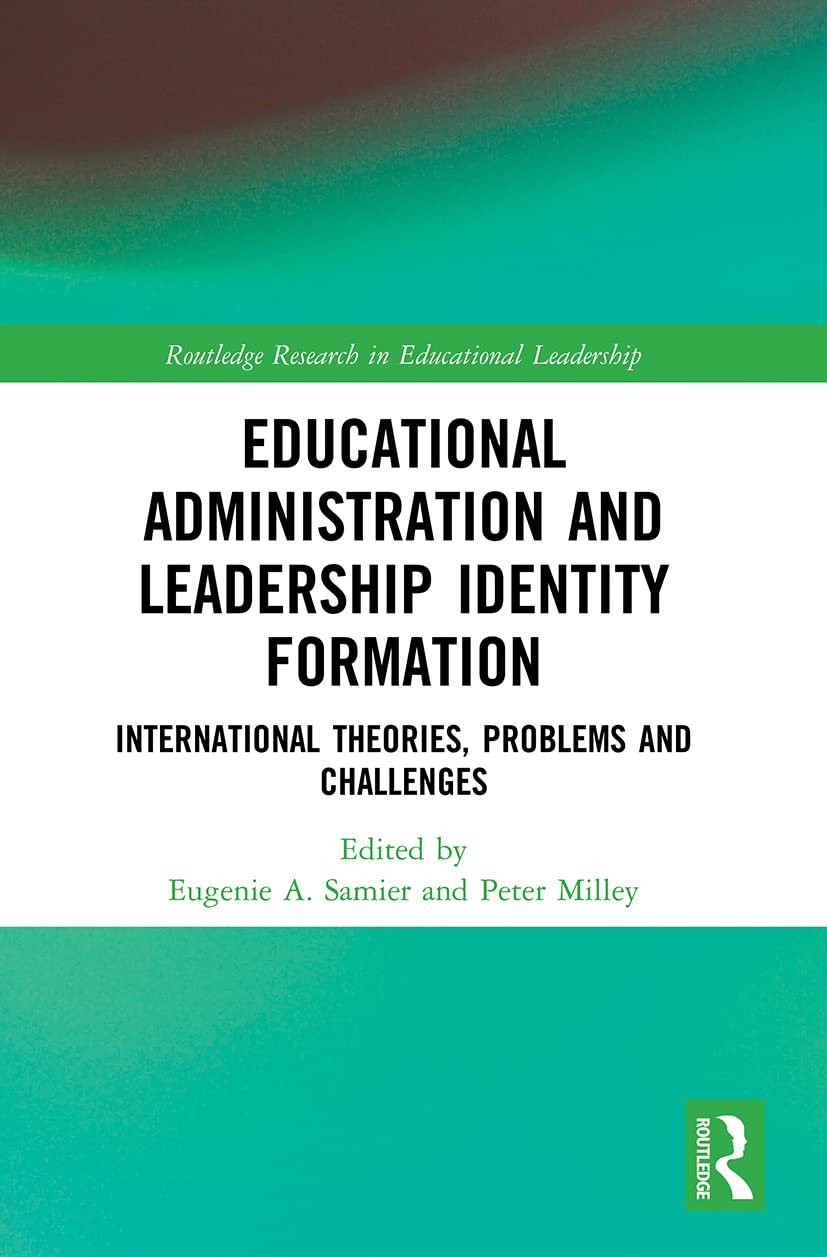
Educational Administration and Leadership Identity Formation
Educational Administration and Leadership Identity Formation
Price subject to change. Tap below for current.
Couldn't load pickup availability
Our review of Educational Administration and Leadership Identity Formation finds it a thoughtful, research-focused volume for scholars and graduate students seeking a global, multi-disciplinary look at how leadership identities form in educational settings. The single biggest reason to consider this collection is its range of theoretical lenses-sociological, psychological, political, cultural and socio-linguistic-that together clarify complex identity processes rather than offering a single prescriptive model. Readers should expect careful academic argumentation and comparative perspectives suitable for research and advanced coursework.
Key Features
- Global perspective: The book brings together national and international contributions to show how leadership identity formation varies across contexts, which supports comparative research and teaching.
- Theoretical breadth: Multiple theoretical foundations are examined, offering readers a range of conceptual tools for studying identity in educational administration and leadership.
- Interdisciplinary approaches: Sociological, psychological, political, cultural and socio-linguistic lenses are included, helping scholars connect methodologies and insights across fields.
- Research implications: The collection highlights how identity theories inform methods and questions in researching educational leadership, useful for designing studies and doctoral work.
- Practical relevance: Discussions of models, practices and experiences link theory to educational settings where identity politics and cultural difference matter for leadership practice.
Who It's For
This volume is best for academics, doctoral students and advanced masters students in educational administration, leadership studies and educational psychology who need a rigorous overview of identity formation theory and its research implications. It is also valuable for teacher educators and policy researchers interested in how leadership identities intersect with culture and politics.
Practitioners seeking a step-by-step implementation guide or a short, applied handbook will likely find the material dense; those audiences should look for practitioner-oriented texts focused on tools and immediate strategies rather than theoretical and comparative analysis.
Pros & Cons
Pros
- Wide range of theoretical perspectives that deepen understanding of leadership identity formation.
- International contributions that enable comparative insights across cultural and policy contexts.
- Clear linkage between theory and research design, aiding academics planning studies in educational leadership.
- Attention to identity politics and cultural difference that makes the book relevant to contemporary equity debates.
Cons
- Academic and theory-heavy tone may be challenging for readers seeking brief practical guidance.
Specifications
| Title | Educational Administration and Leadership Identity Formation |
| Series | Routledge Research in Educational Leadership |
| Editors / Authors | Eugenie A. Samier, Peter Milley |
| Focus | Leadership identity formation across educational contexts |
| Approaches included | Sociological, psychological, political, cultural, socio-linguistic |
| Audience | Researchers, graduate students, teacher educators |
Our Verdict
This collection is a strong choice for researchers and advanced students who need a comprehensive, multi-disciplinary treatment of leadership identity formation. Its comparative and theoretical depth makes it good value for academic libraries and course reading lists, though those seeking hands-on practitioner guidance should consider more applied titles.
Frequently Asked Questions
Is this book suitable for graduate courses?
Yes. The theoretical breadth and research focus make it appropriate for graduate seminars in educational leadership and related fields.
Does it include international perspectives?
Yes. The volume brings together national and international contributions to provide a global perspective on identity formation.
Is it a practical how-to guide for school leaders?
No. The book emphasizes theory and research implications rather than step-by-step practical tools for practitioners.
Editor's Take
This collection offers a comprehensive, multi-disciplinary examination of leadership identity formation, ideal for researchers and graduate students seeking comparative theory and research guidance rather than practical how-to advice.

Recently viewed
Recently viewed products will appear here as customers browse the store.