

Einsteins Brain: Genius, Culture, and Social Networks - Sociological
Einsteins Brain: Genius, Culture, and Social Networks - Sociological
Price subject to change. Tap below for current.
Couldn't load pickup availability
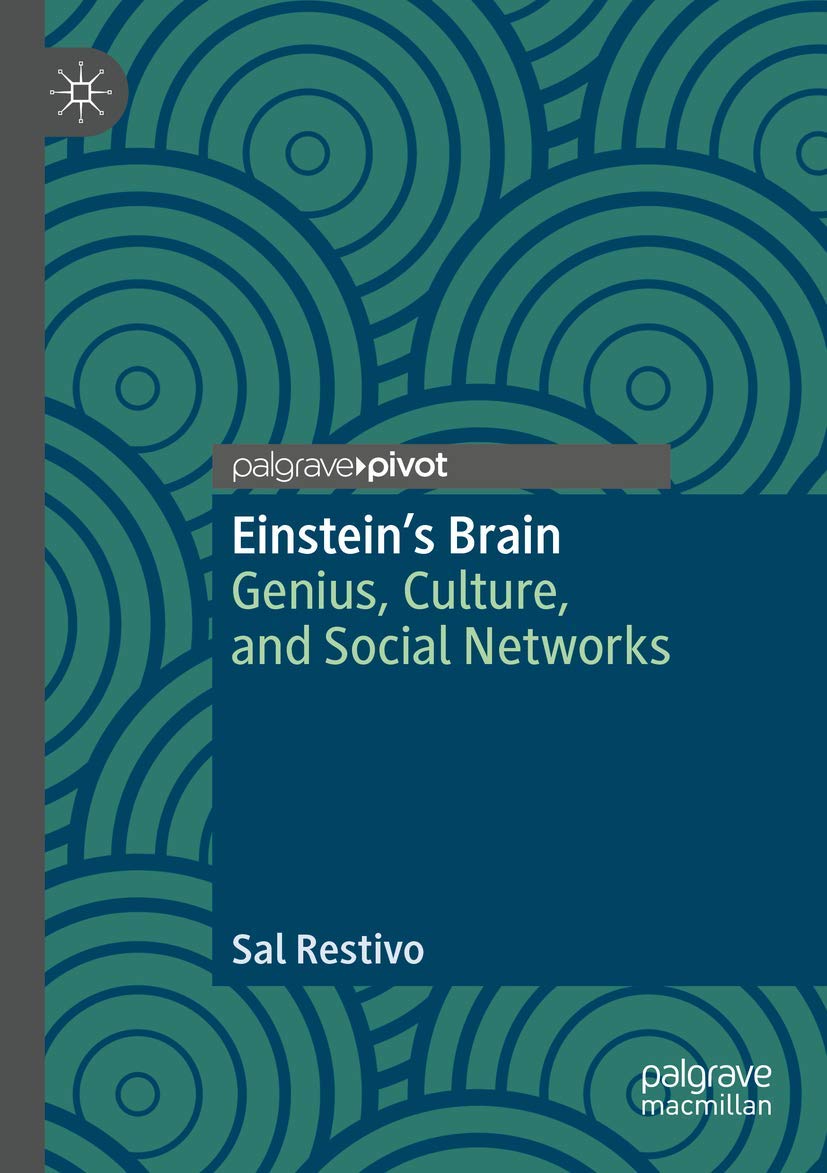
In this review of Einsteins Brain: Genius, Culture, and Social Networks the reviewer finds a thoughtful, sociological reframing of Einstein that will appeal to scholars and curious readers who want to move beyond myth. Sal Restivo does not deny Einstein's achievements; instead, the book argues persuasively that Einstein's intellect and reputation arose within a particular social network and cultural ecology. This is a focused, academic investigation rather than a popular biography, and its single biggest reason to buy is the book's sustained argument that genius is best understood as embedded in social relations.
Key Features
- Sociological framing: Restivo places Einstein's brain and reputation in the context of social theory to show how networks shaped scientific creativity.
- Critical engagement with myth: The book contrasts myths of individual genius with a social ecology model to challenge common assumptions.
- Focused scope: Rather than a broad biography, the text centers on the interplay between culture and intellectual achievement for a concentrated argument.
- Interdisciplinary perspective: The work draws on sociology, history of science, and the social brain paradigm to offer a layered interpretation.
- Theoretical emphasis: Readers get sustained analysis of how social networks, not solely biology, help explain Einstein's development and influence.
Who It's For
This book is best for sociologists, historians of science, neuroscientists interested in the social brain paradigm, and readers who appreciate analytic, theory-driven studies of intellectual figures. It is particularly useful for graduate seminars or anyone researching how social context contributes to scientific innovation.
Those seeking a narrative life story, personal anecdotes, or a richly illustrated popular biography should look elsewhere; this is an academic review that prioritizes argument and conceptual reframing over exhaustive biographical detail.
Pros & Cons
Pros
- Clear conceptual focus that reframes Einstein as a product of his social networks, offering a useful corrective to individualist narratives.
- Interdisciplinary approach strengthens the argument by connecting sociology and the social brain paradigm.
- Concise treatment keeps the book tightly argued and academically useful for courses or research reading lists.
Cons
- The book's academic tone and focus on theory may put off readers who expect a conventional biography or more personal detail.
Specifications
| Title | Einsteins Brain: Genius, Culture, and Social Networks |
| Author | Sal Restivo |
| Subject | Sociology of science, social brain paradigm |
| Approach | Theoretical and sociological analysis |
| Audience | Scholars, students, researchers |
| Perspective | Social ecology of genius, not biological determinism |
Our Verdict
Einsteins Brain is a well-argued, academically minded book that successfully reframes Einstein as embedded in a networked social ecology. Buy it if you want rigorous theoretical analysis linking the social brain paradigm to historical cases; it is good value for scholars and students seeking a conceptual alternative to myths of isolated genius.
Frequently Asked Questions
Does the book deny Einstein's achievements?
Answer. No; it accepts his achievements but explains them as arising from social networks and cultural context rather than solitary biology.
Is this a full biography of Einstein?
Answer. No; the book focuses on sociological analysis and the social brain paradigm rather than a detailed life narrative.
Who benefits most from reading this book?
Answer. Scholars and students in sociology, history of science, and neuroscience interested in conceptual frameworks linking social context and intellectual achievement.
Editor's Take
Einsteins Brain reframes Einstein as a product of social networks, offering rigorous theoretical analysis; recommended for scholars and students seeking a conceptual alternative to myths of solitary genius.

Recently viewed
Recently viewed products will appear here as customers browse the store.