

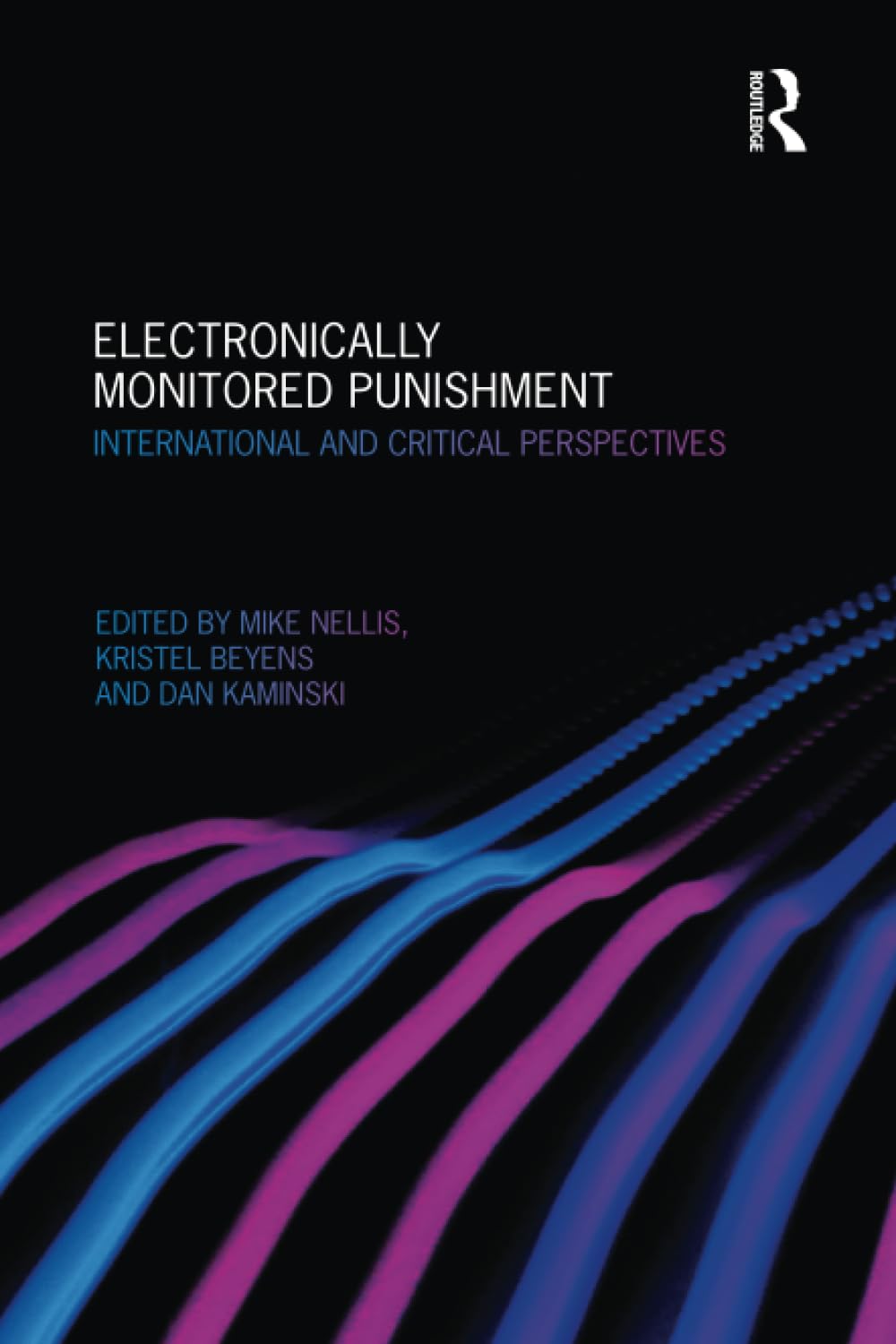
Electronically Monitored Punishment: International and Critical
Electronically Monitored Punishment: International and Critical
Price subject to change. Tap below for current.
Couldn't load pickup availability
In this review of Electronically Monitored Punishment: International and Critical Perspectives, the bottom line is clear: this is a focused, comparative account for readers who want a critical, scholarly look at electronic monitoring (EM) across jurisdictions. The book is best for students, policy analysts and criminologists seeking a concise exploration of how technologies such as GPS, voice verification and radio frequency devices have been deployed and debated worldwide. The chief reason to read it is its emphasis on the political and practical diversity of EM rather than technological evangelism.
Key Features
- Comparative perspective: Examines the development of EM across more than one country to reveal how local politics shape implementation and outcomes.
- Technology overview: Describes the range of EM technologies in use, including GPS satellite tracking, voice verification and radio frequency house arrest systems, helping readers distinguish practical differences.
- Historical context: Traces EM origins to the USA in the 1980s, giving readers a sense of the techno-utopian impulses that informed early adoption.
- Critical analysis: Highlights the limits of EM to deliver broad penal transformation, offering an evidence-minded challenge to simple advocacy.
- Policy relevance: Connects technical descriptions to real-world supervision practices such as bail, community sentences and post-release monitoring, useful for practitioners.
Who It's For
This book is aimed at readers in criminology, social policy and legal studies who want a critical, international survey rather than a how-to manual for monitoring hardware. It is well suited to graduate students, researchers and policy advisers who need context on how EM technologies have been used in community supervision, bail and post-release settings.
Those seeking a technical handbook on device installation, product comparisons of vendors, or a step-by-step practitioner manual on program operation should look elsewhere; the focus here is analytical and political rather than operational or purely technical.
Pros & Cons
Pros
- Provides a comparative, international lens that clarifies why EM policy varies by country.
- Explains a range of technologies including GPS, voice verification and radio frequency house arrest in accessible terms.
- Challenges techno-utopian claims by showing the limited capacity of EM to transform penal systems.
Cons
- Not a technical manual, so readers wanting installation-level detail or vendor guidance will find the content high-level.
Specifications
| Title | Electronically Monitored Punishment: International and Critical Perspectives |
| Author | Mike Nellis |
| Subject | Electronic monitoring, criminology, penal policy |
| Scope | International case studies and comparative analysis |
| Technologies discussed | GPS satellite tracking, voice verification, radio frequency house arrest |
| Historical focus | Origins in the USA in the 1980s and subsequent global spread |
Our Verdict
Electronically Monitored Punishment is a solid, critical resource for academics and policy professionals who need a comparative account of EM technologies and politics. It offers clear value by linking technological descriptions to supervisory contexts and by tempering optimistic claims about penal change, making it a worthwhile purchase for readers focused on policy and social science analysis.
Frequently Asked Questions
Does the book explain how electronic monitoring technologies differ?
The book outlines key technologies such as GPS, voice verification and radio frequency systems and explains their different uses in supervision.
Is this a practical guide for installing monitoring devices?
No, the emphasis is analytical and comparative rather than a technical or installation manual for practitioners.
Which readers will benefit most from this book?
Students, researchers and policy advisers in criminology and social policy will gain the most from its international, critical perspective.
Editor's Take
A focused, comparative resource for students and policy analysts, this book explains GPS, voice verification and radio frequency monitoring while critically assessing EM's limits to drive penal transformation.

Recently viewed
Recently viewed products will appear here as customers browse the store.